
Picard Carving Knife Guide: a Picard carving knife is presented as a precision hand-carving tool for controlled engraving, trimming, shaping, and detail work. Before use, verify the exact blade profile, handle design, intended material, and manufacturer instructions because products sold under similar names can differ.
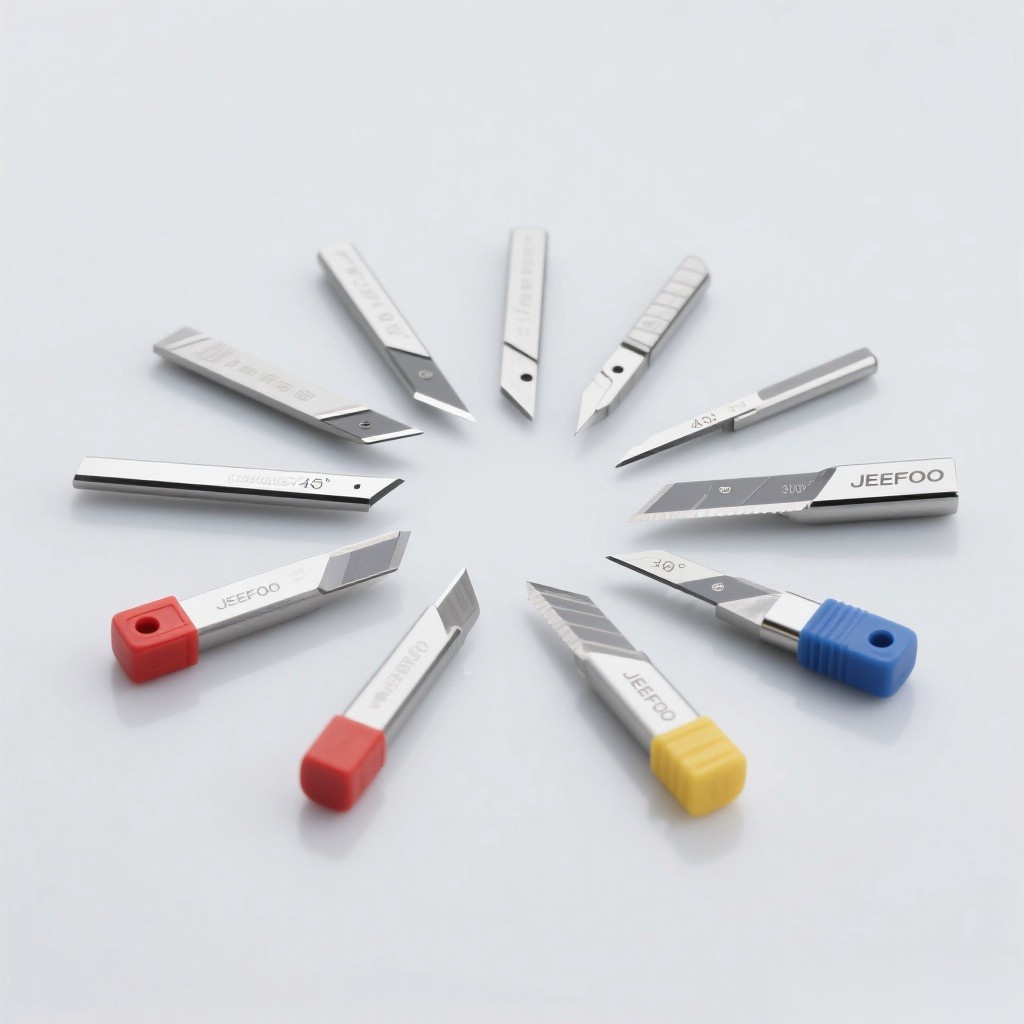
Table of Contents
Picard Carving Knife Guide: Quick Answer
Choose the knife only after matching blade shape, sharpness, handle control, and edge strength to the workpiece. A secure grip, shallow controlled cuts, stable workholding, and frequent edge inspection are more important than force.
Seven Useful Features to Evaluate
- Sharp cutting edge: a keen edge reduces cutting force and supports clean detail.
- Controlled blade profile: point, belly, bevel, and thickness determine accessible cuts.
- Comfortable handle: grip shape and texture help maintain direction and reduce fatigue.
- Edge toughness: sufficient toughness limits chipping under careful carving loads.
- Wear resistance: a stable edge retains accuracy across repeated strokes.
- Depth control: balanced geometry helps the user control engraving depth and line width.
- Maintainability: safe cleaning, stropping, sharpening, and storage extend useful life.
Common Applications
- Fine lines, lettering, relief details, and decorative patterns.
- Controlled trimming, deburring, and edge cleanup.
- Shallow grooves, outlines, and texture work.
- Craft work in compatible wood, soft sheet, leather, foam, or similar materials.
- Prototype or finishing tasks where hand control is preferred.
How to Choose the Blade Profile
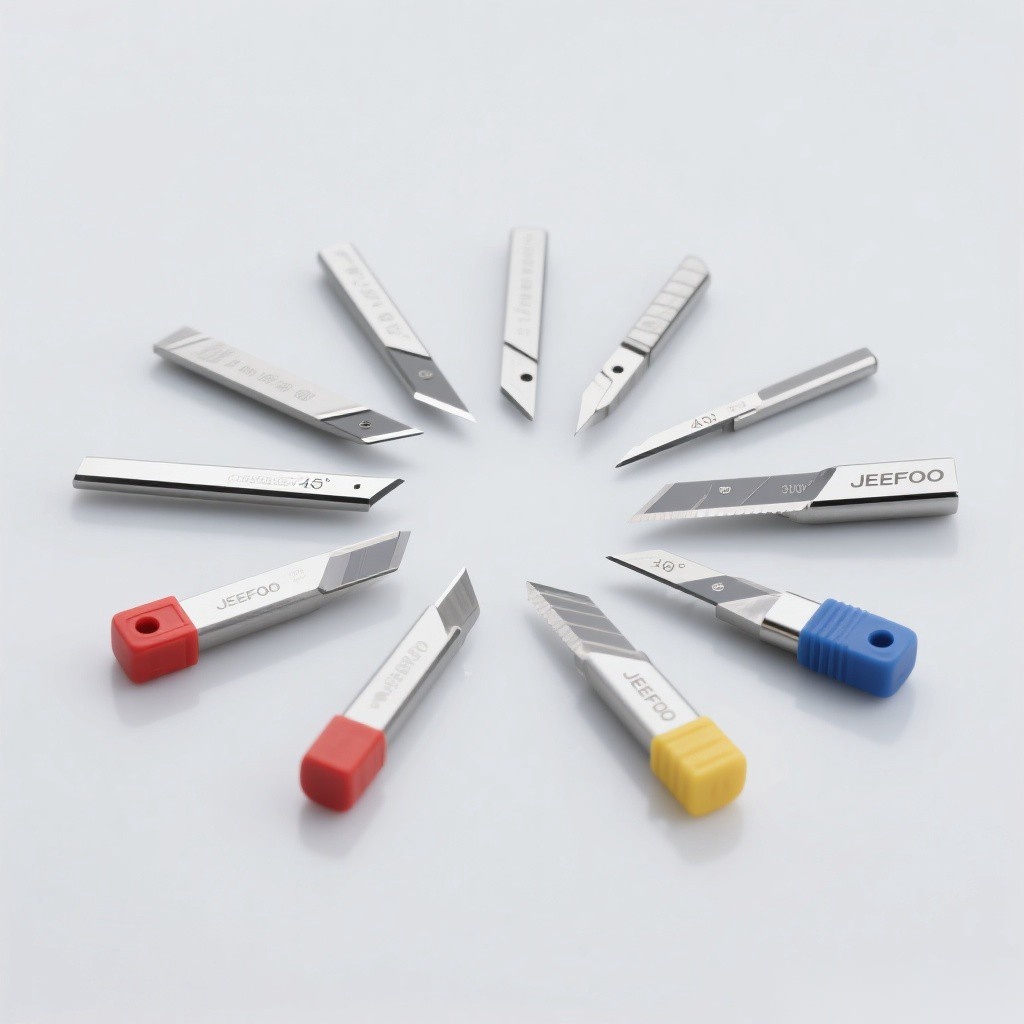
A narrow point supports fine lines and tight corners. A curved belly helps slicing and smooth transitions. A stronger, thicker edge tolerates more load but may sacrifice detail. Select a bevel suitable for the material and handedness, and confirm whether the tool is designed for push, pull, or slicing cuts.
Safe Setup and Cutting Technique
- Inspect the edge, point, handle, ferrule, and any fastening hardware.
- Secure the workpiece and keep the cutting path away from hands and body.
- Use shallow passes and controlled slicing motion rather than excessive force.
- Maintain stable wrist position and stop if the blade binds, slips, or chatters.
- Use eye protection and material-appropriate dust or debris control.
- Return the knife to a sheath or protected storage position immediately after use.
Edge Care and Sharpening
Clean residue with a method approved for the blade and handle. Strop or hone lightly before the edge becomes severely dull, preserving the original bevel angle. Sharpen evenly, remove the burr carefully, and inspect for chips or cracks. A damaged or loose tool should be removed from service.
Accuracy and Finish Quality
Accuracy depends on more than the knife. Grain direction, material density, workholding, lighting, layout marks, cutting angle, edge condition, and pass depth all affect the result. Test on scrap material and approach the final line with progressively lighter cuts.
Troubleshooting Common Problems
- Torn surface: sharpen the edge, reduce depth, and change cutting direction.
- Wandering line: improve layout, shorten the cut, and use lighter passes.
- Blade binding: reduce engagement and use a profile better suited to the groove.
- Handle fatigue: relax grip pressure, improve posture, and take regular breaks.
- Chipped edge: stop using the knife and repair or replace it according to manufacturer guidance.
References and Product Support
Review general knife terminology for context, then rely on the exact product instructions for compatible materials and sharpening angles. Visit JeeFoo Tools for carving-tool selection support.
Frequently Asked Questions
What materials can a Picard carving knife cut?
Compatibility depends on the exact blade and manufacturer rating. Test a secured scrap piece and avoid materials harder than the intended edge.
How can I improve engraving accuracy?
Use clear layout lines, good lighting, secure workholding, a sharp edge, shallow passes, and a stable cutting angle.
When should the knife be replaced?
Replace or professionally repair it when the blade is cracked, badly chipped, loose, bent, or unable to hold a safe cutting edge.

发表回复
要发表评论,您必须先登录。