
Cutting Tool Material Performance Guide: a cutting-tool material must retain a sharp, stable edge while resisting heat, pressure, impact, abrasion, adhesion, and chemical attack. The required balance changes with workpiece properties, tool geometry, machine rigidity, coolant strategy, and production targets.
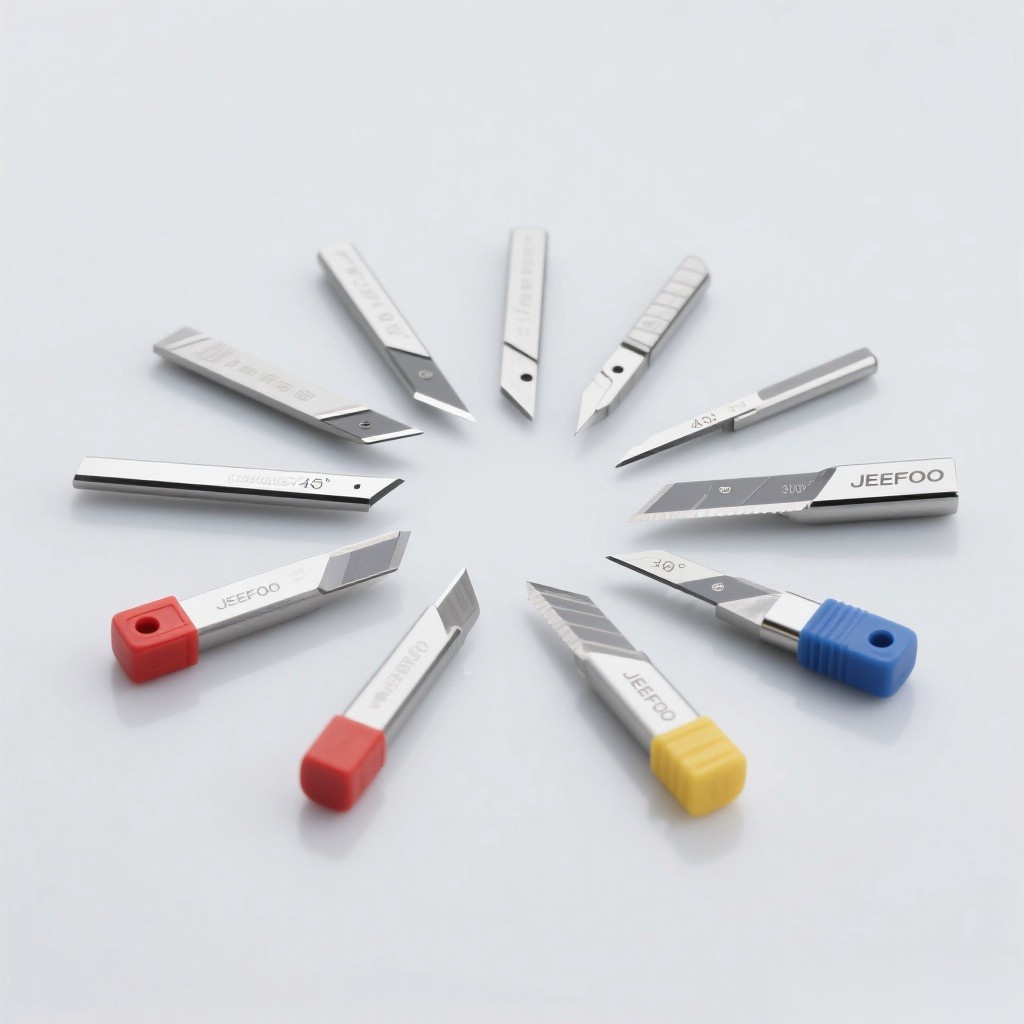
Table of Contents
Cutting Tool Material Performance Guide: Direct Answer
The best material is not simply the hardest. It must be hard enough to cut, tough enough to avoid fracture, thermally stable at operating temperature, chemically compatible with the workpiece, and economical over the complete production cycle.
Eight Essential Performance Requirements
- Room-temperature hardness: sufficient hardness prevents edge deformation under contact pressure.
- Hot hardness: the edge must remain hard as friction and deformation generate heat.
- Fracture toughness: the material must survive interrupted cuts, vibration, inclusions, and entry or exit shock.
- Wear resistance: resistance to abrasion, adhesion, diffusion, oxidation, and micro-chipping extends useful life.
- Thermal-shock resistance: temperature cycling or intermittent coolant must not cause cracking.
- Chemical stability: low affinity with the workpiece reduces built-up edge and diffusion wear.
- Edge manufacturability: the material must support the required flute, rake, hone, polish, and sharpness.
- Lifecycle economy: cycle time, tool life, regrinding, downtime, scrap, and failure risk determine real value.
Understand the Main Failure Modes
- Flank wear: abrasive contact gradually enlarges the wear land and changes dimensions.
- Crater wear: chip flow attacks the rake face through heat, adhesion, and diffusion.
- Chipping: impact, runout, vibration, or weak edge preparation causes small fractures.
- Plastic deformation: excessive temperature and pressure soften the cutting edge.
- Built-up edge: workpiece material welds to the edge and damages finish or geometry.
- Thermal cracking: repeated heating and cooling creates cracks across the edge.
Material Families and Their Strengths
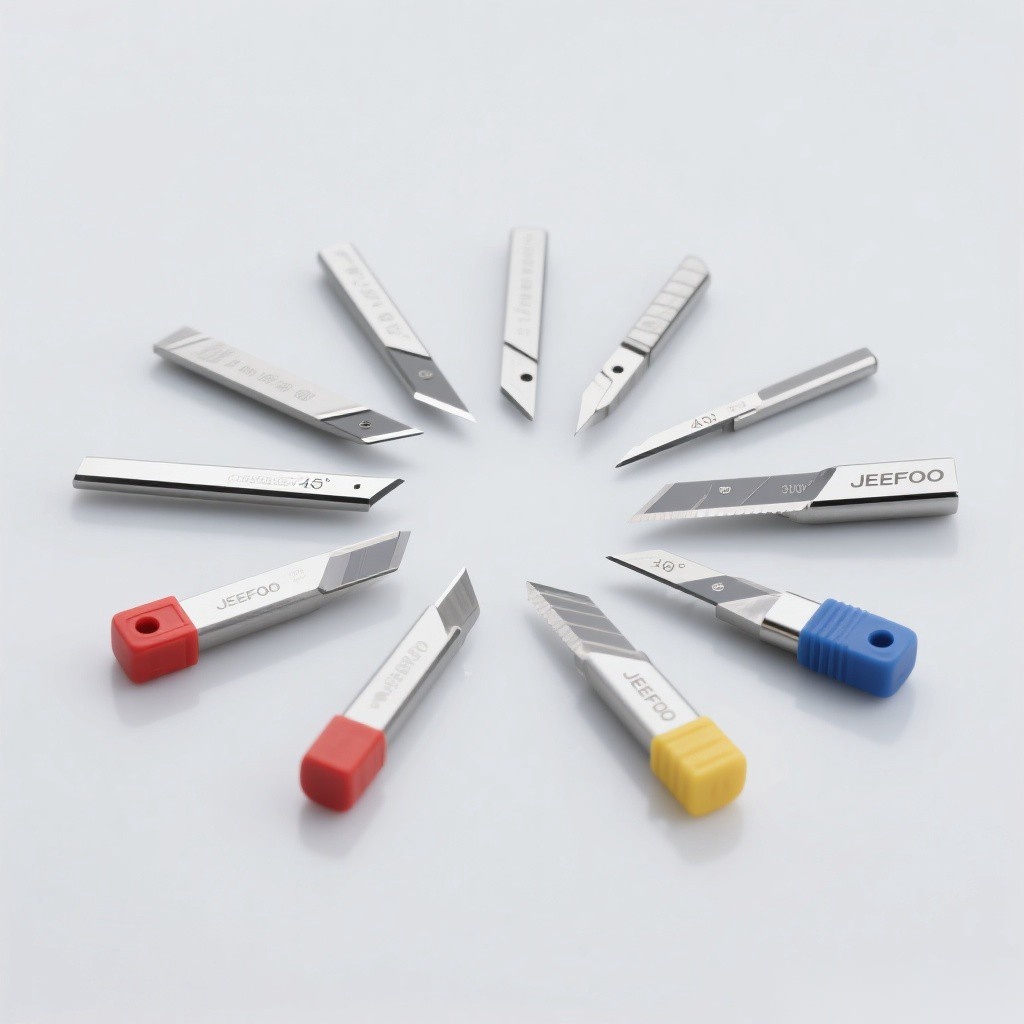
High-speed steel emphasizes toughness, sharp geometry, and regrindability. Carbide offers rigidity, hot hardness, and wear resistance. Coated carbide can control heat, oxidation, friction, or adhesion. Ceramics support very high cutting temperature under stable conditions. CBN suits hardened ferrous materials, while PCD offers exceptional abrasion resistance in many nonferrous and composite applications.
Match Material to Operation
- Roughing: prioritize toughness, edge strength, and chip evacuation.
- Finishing: prioritize edge stability, low runout, wear consistency, and surface quality.
- Interrupted cutting: select a tougher substrate and avoid overly brittle edge preparation.
- High-speed cutting: require hot hardness, oxidation resistance, balance, and machine rigidity.
- Abrasive composites: use wear-resistant carbide or PCD with delamination-control geometry.
- Small tools: minimize runout and balance hardness with transverse rupture strength.
Selection and Validation Workflow
- Document workpiece alloy, hardness, abrasiveness, coating, and heat sensitivity.
- Define operation, engagement, tolerance, finish, batch size, and acceptable cycle time.
- Choose substrate before coating, then match edge preparation and geometry.
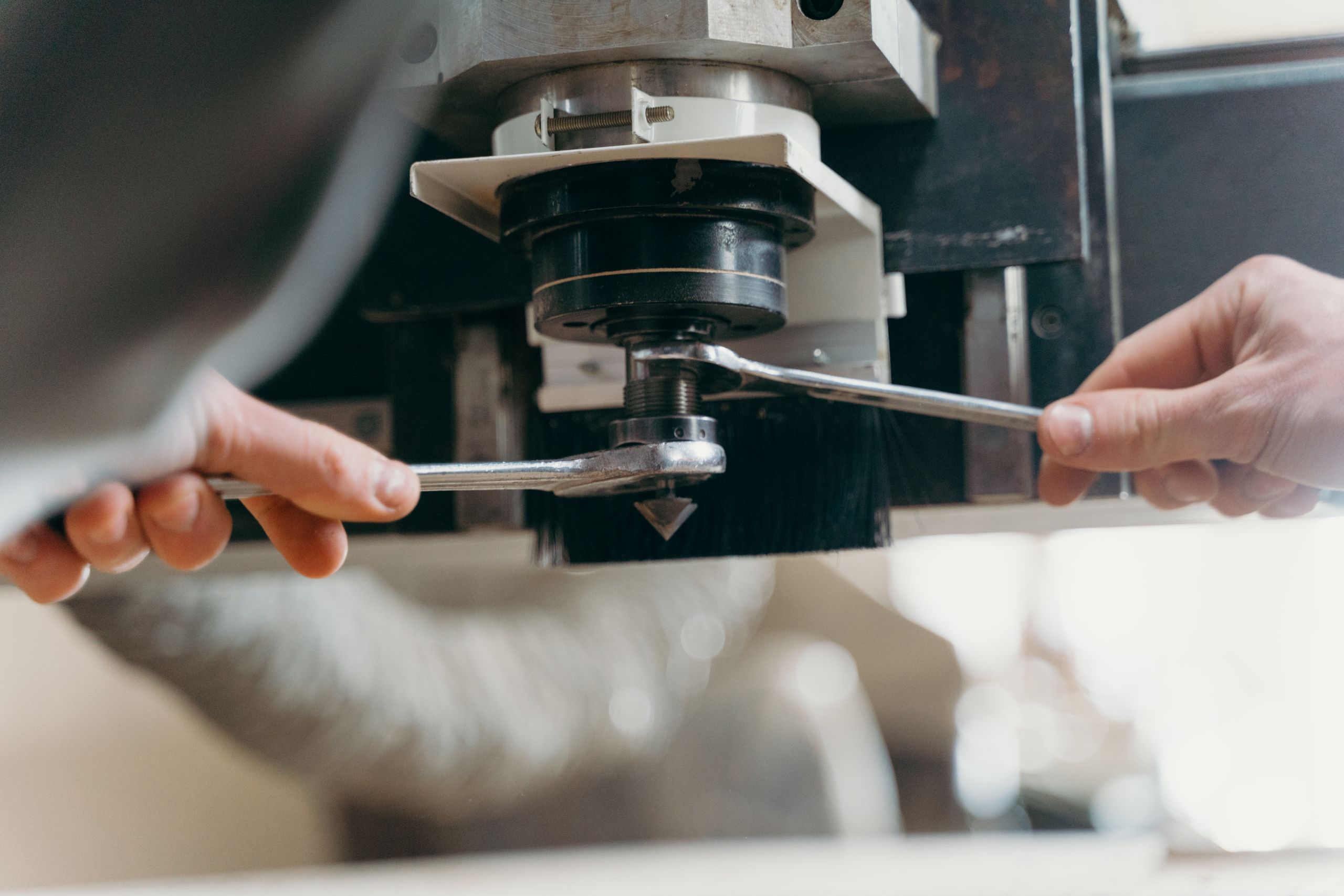
- Verify holder condition, runout, stick-out, workholding, spindle power, and coolant.
- Start from supplier data and monitor sound, load, chips, temperature, size, and finish.
- Compare tools by cost per acceptable part, not purchase price alone.
Coating and Edge Preparation
A coating cannot compensate for an unsuitable substrate. Select substrate toughness and hardness first, then choose coating chemistry for temperature and workpiece affinity. A sharp edge reduces force in plastics and nonferrous materials, while a honed or reinforced edge can improve strength in steel roughing.
Inspection, Maintenance, and Safety
Track flank wear, cratering, chipping, coating loss, built-up edge, burrs, vibration, spindle load, and dimensional drift. Replace a tool before catastrophic failure. Keep holders clean, store edges separately, use guarding and eye protection, and never touch or measure a rotating tool.
References and Expert Support
Use the overview of cutting tool materials for general context, then confirm operating limits with the manufacturer. Visit JeeFoo Tools for application-specific cutting-tool guidance.
Frequently Asked Questions
Is maximum hardness always desirable?
No. Excessive hardness without enough toughness can cause chipping or fracture, especially under interrupted loads or weak machine rigidity.
How does workpiece material affect selection?
Hardness, abrasiveness, thermal conductivity, chemical affinity, reinforcement, and chip behavior determine the substrate, coating, and geometry required.
What metric best compares tool materials?
Cost per acceptable part is usually more useful than tool price because it includes productivity, tool life, downtime, scrap, and replacement risk.

发表回复
要发表评论,您必须先登录。