
High Speed Steel Cutting Tool Guide: high-speed steel (HSS) is a tough, alloyed tool steel that retains useful hardness at elevated cutting temperatures. It is widely used when edge toughness, complex geometry, economical regrinding, or moderate machine speed matters more than maximum carbide productivity.
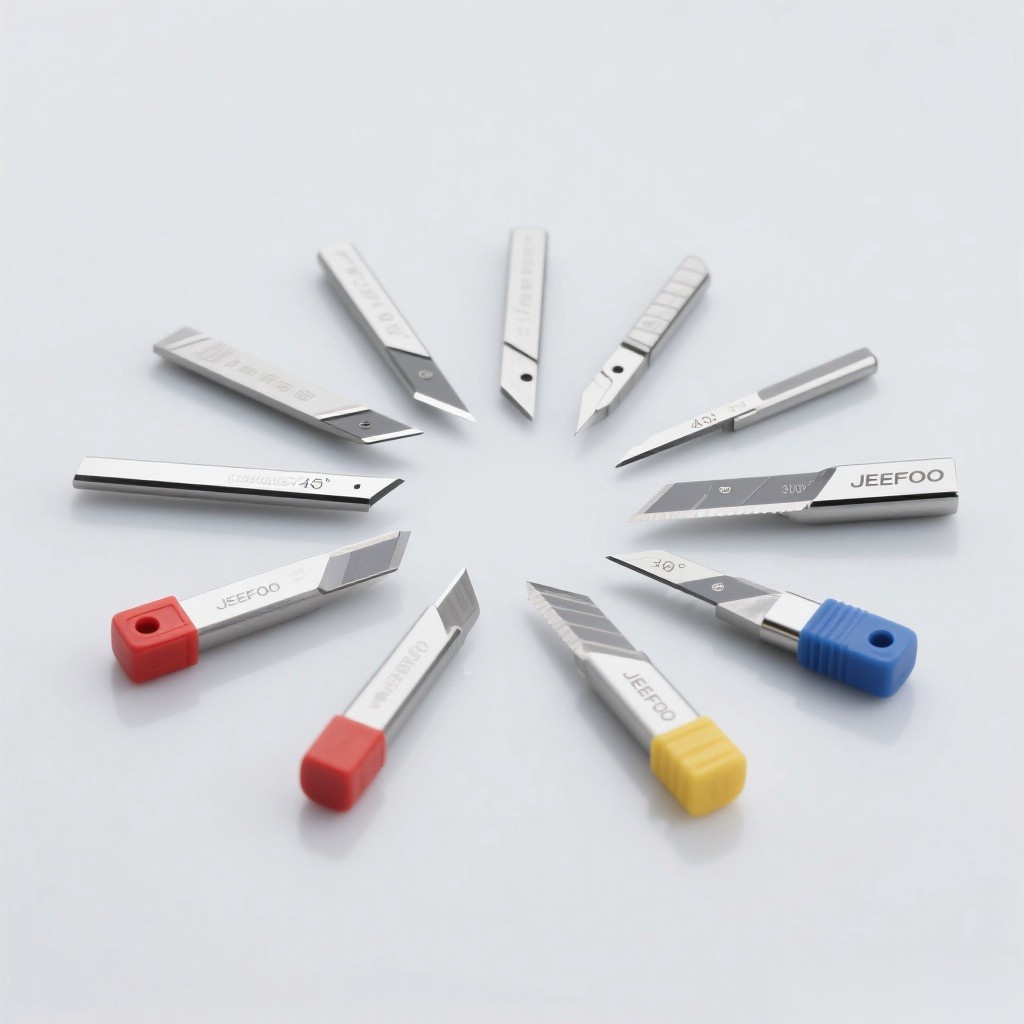
Table of Contents
High Speed Steel Cutting Tool Guide: Quick Answer
Choose HSS when the operation benefits from a sharp edge, toughness, low production volume, custom geometry, interrupted loading, or a machine that cannot fully exploit carbide speeds. Use carbide when rigidity, heat resistance, and high-volume productivity dominate.
What Is High-Speed Steel?
HSS is a family of alloy tool steels containing combinations of tungsten, molybdenum, chromium, vanadium, cobalt, and carbon. Heat treatment creates hard carbides within a tough matrix, giving HSS better hot hardness and wear resistance than conventional carbon tool steel.
Seven Essential Characteristics
- Toughness: HSS tolerates shock, vibration, and interrupted cuts better than many brittle tool materials.
- Hot hardness: it retains cutting hardness at temperatures above those tolerated by carbon tool steel.
- Edge sharpness: it can be ground into fine, complex, or custom cutting profiles.
- Wear resistance: alloy carbides slow flank and edge wear at suitable speeds.
- Regrindability: many HSS tools can be sharpened repeatedly at reasonable cost.
- Manufacturability: drills, taps, reamers, broaches, form tools, and milling cutters are practical to produce.
- Economic flexibility: HSS can be cost-effective for small batches, repair work, and specialized shapes.
M2, M35, M42, and T-Series Grades
- M2: common molybdenum HSS with balanced toughness and wear resistance.
- M35: cobalt-bearing HSS that improves hot hardness for harder materials.
- M42: higher-cobalt grade for strong red hardness and demanding cutting.
- T-series: tungsten-based grades used where high wear resistance and hot hardness are required.
Common HSS Tool Applications
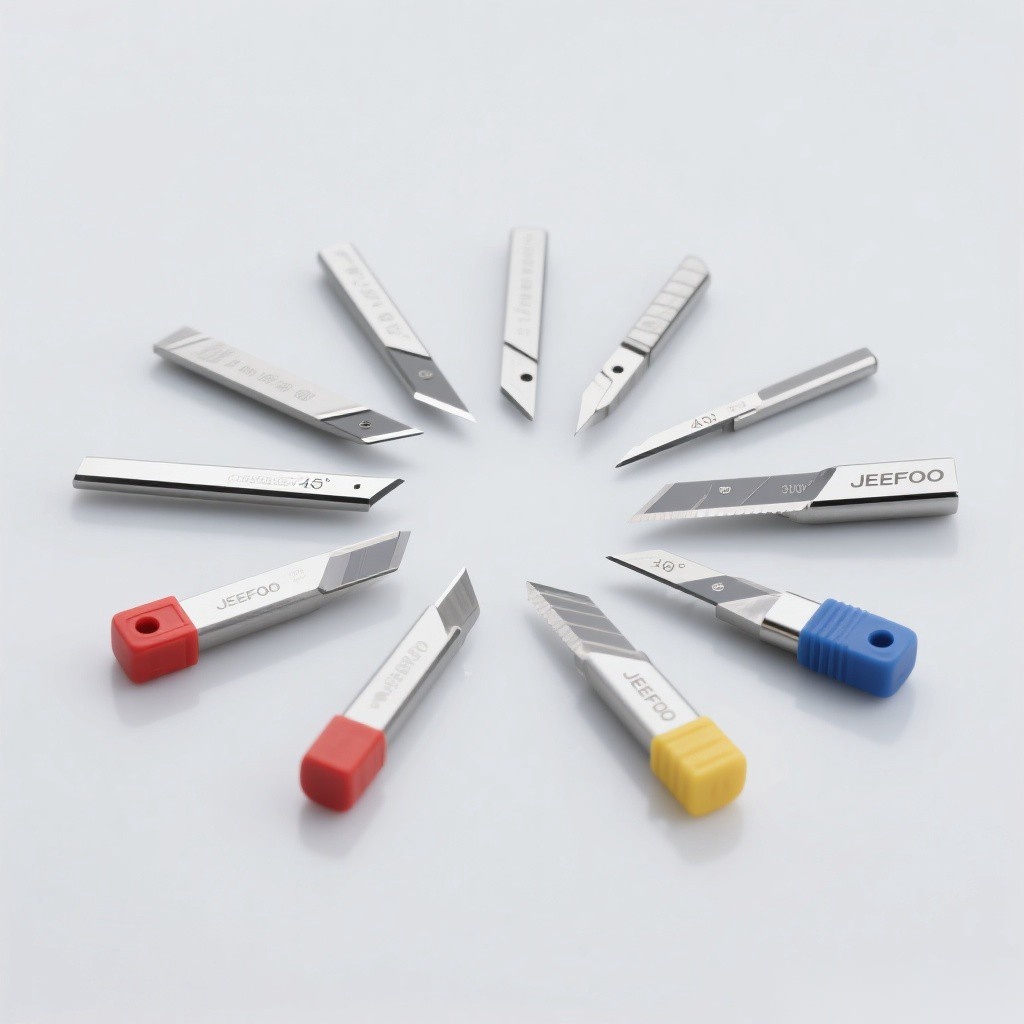
High-speed steel is widely used for twist drills, taps, dies, reamers, countersinks, broaches, gear cutters, slitting saws, end mills, engraving tools, and custom form cutters. It is especially useful for complex teeth or flutes that must withstand impact and be resharpened.
HSS vs Carbide
- Choose HSS: lower cutting speed, less rigid setup, interrupted load, custom geometry, or economical regrinding.
- Choose carbide: high spindle speed, rigid machine, abrasive workpiece, long production run, or high-temperature wear resistance.
- Evaluate total cost: compare cycle time, tool life, setup stability, scrap risk, and sharpening cost rather than purchase price alone.
Feeds, Speeds, and Cooling
Start with the tool maker’s data for the exact grade, coating, workpiece, diameter, and operation. HSS generally runs slower than carbide. Maintain adequate chip load to avoid rubbing, control heat with suitable coolant or lubrication, and reduce speed when rigidity, reach, or chip evacuation is limited.
Maintenance Checklist
- Inspect flank wear, chipping, built-up edge, burning, and loss of size.
- Regrind before severe wear changes geometry or overheats the edge.
- Keep holders, tapers, collets, and cutting edges clean and dry.
- Store tools separately to prevent tooth-to-tooth impact and corrosion.
- Record grade, coating, parameters, tool life, and regrind history.
Safety and Selection Support
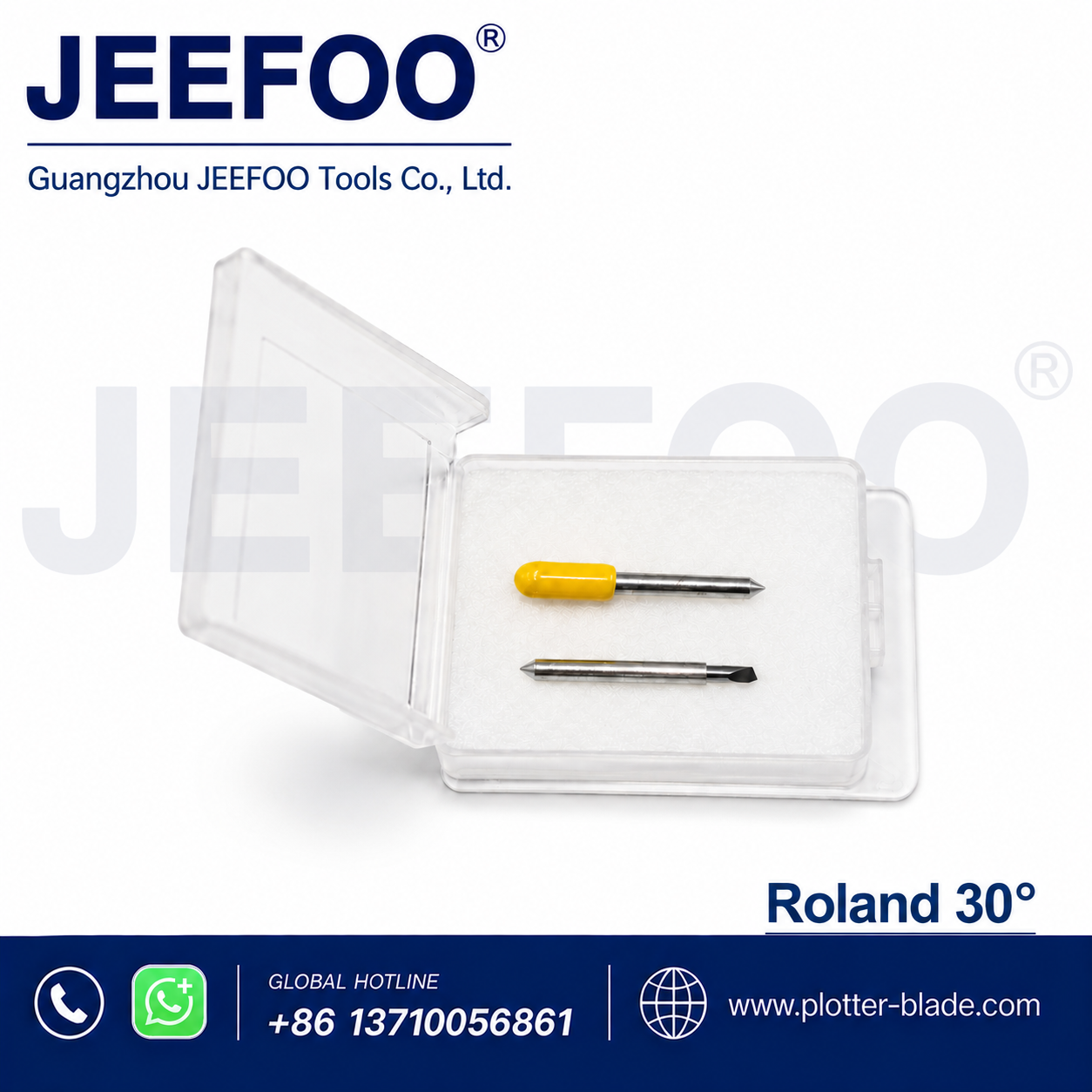
Use machine guarding, eye protection, secure workholding, correct spindle direction, and approved operating limits. Never touch or measure a rotating tool. Read the general overview of high-speed steel, then visit JeeFoo Tools for application-specific cutter support.
Frequently Asked Questions
Is HSS suitable for CNC machining?
Yes. HSS works well on CNC machines when cutting speed, feed, cooling, rigidity, and tool geometry match the grade and workpiece.
What is the most common HSS grade?
M2 is a widely used general-purpose grade because it balances toughness, wear resistance, availability, and cost.
Why does an HSS tool burn?
Common causes include excessive speed, rubbing from low feed, poor lubrication, dull edges, chip recutting, runout, or insufficient rigidity.


发表回复
要发表评论,您必须先登录。