
A spiral milling cutter is a rotating tool whose helical cutting edges engage the workpiece progressively, supporting smoother cutting, effective chip movement, and stable machining. This Spiral Milling Cutter Selection Guide explains eight selection factors, upcut and downcut behavior, setup, troubleshooting, and maintenance.
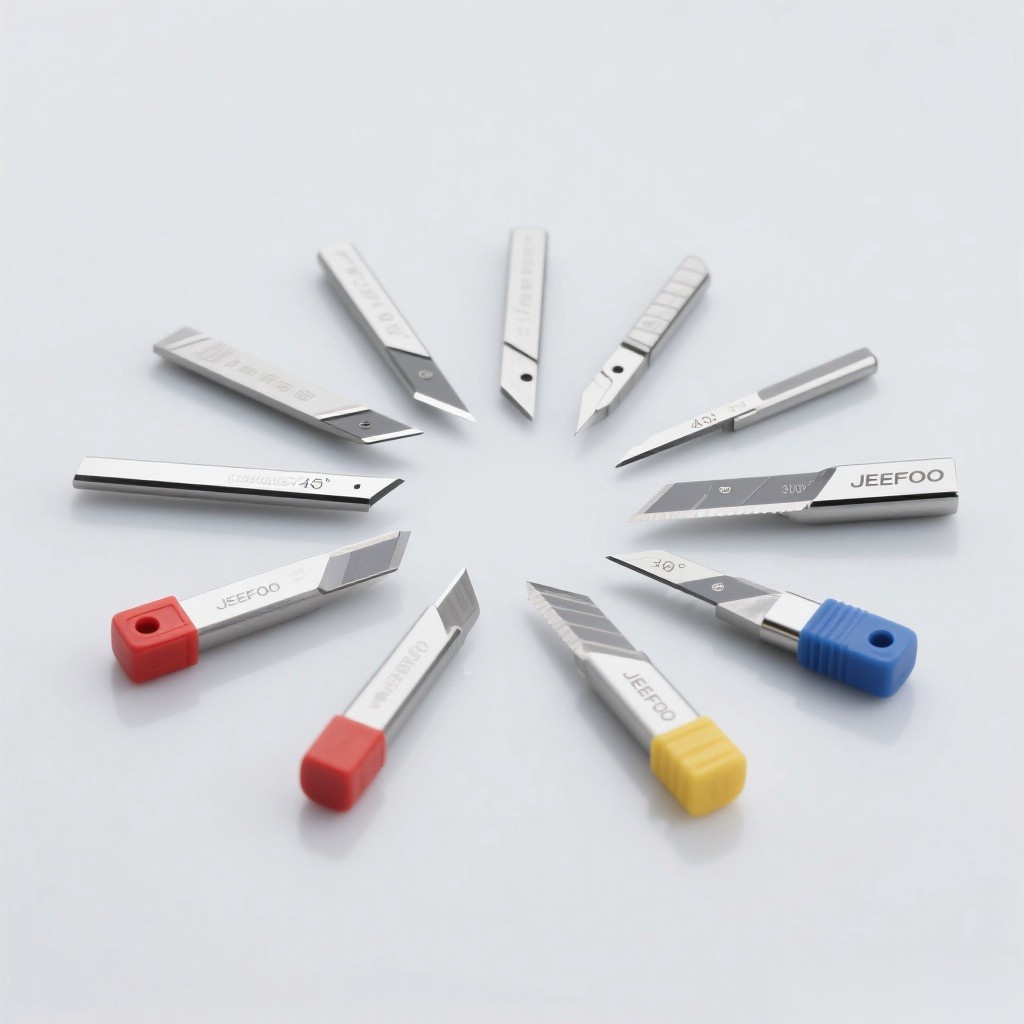
Spiral Milling Cutter Selection Guide: 8 Tips
- Workpiece material: Match edge geometry and carbide grade to wood, plastic, composite, or metal.
- Cut direction: Choose upcut, downcut, or compression according to chip flow and face quality.
- Flute count: Balance chip space, edge strength, feed capability, and surface finish.
- Cutter diameter: Match feature size, rigidity, removal rate, corner radius, and spindle capacity.
- Cutting length: Use only the length needed for the material thickness and toolpath.
- Helix angle: Consider cutting smoothness, axial force, chip evacuation, and edge loading.
- Coating or polish: Select a surface treatment compatible with the workpiece and cutting environment.
- Machine limits: Verify collet size, spindle speed, power, runout, rigidity, and clearance.
Upcut, Downcut, and Compression Cutters
- Upcut: Pulls chips upward and often provides strong evacuation, but may lift the top surface.
- Downcut: Pushes chips downward and can protect the top face, but requires adequate chip control.
- Compression: Combines opposing flute directions to reduce breakout on both faces of suitable panels.
Flute Count and Chip Space
Use the Spiral Milling Cutter Selection Guide to avoid choosing flute count by finish alone. More flutes can increase edge contact, but reduce chip space at the same diameter. Plastics and deep slots often need generous evacuation, while rigid metal machining may use more flutes when the process supports it.
Setup and Test-Cut Checklist
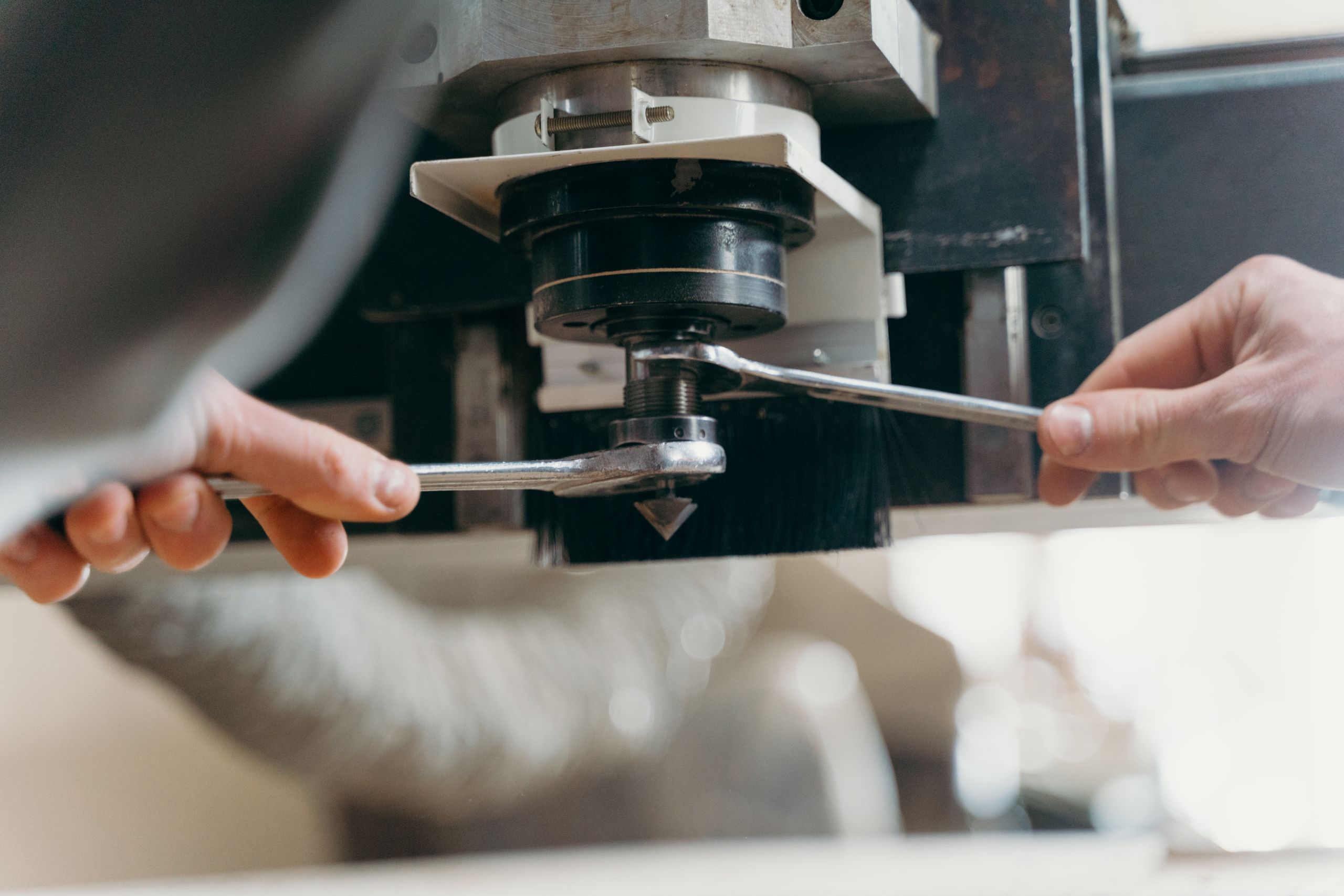
- Inspect the edge and clean the shank, collet, nut, and spindle taper.
- Minimize stick-out and secure the workpiece against cutting and axial forces.
- Verify X, Y, Z, tool length, safe height, rotation, and fixture clearance.
- Start with supplier-recommended speed, feed, plunge, depth, and stepover.
- Test on scrap and inspect chips, sound, heat, dimensions, and face quality.
Common Problems and Corrections
- Fuzzy or chipped edge: Check cut direction, sharpness, support, feed, and workholding.
- Burning: Improve chip evacuation and correct rubbing, dullness, speed, or feed.
- Chatter: Reduce stick-out and engagement and improve rigidity or clamping.
- Chip packing: Increase evacuation, reduce flute count if appropriate, or revise depth and path.
Maintenance and Safety
After the spindle stops, remove chips safely, clean the cutter with a compatible method, inspect wear, and store it dry. Wear suitable eye and hearing protection, control dust or mist, keep clear of rotating parts, and never exceed rated cutter speed.
Further Tool Support
Explore application options at JeeFoo cutting tools. For general terminology, review the milling cutter overview.
Frequently Asked Questions
What is the main advantage of a spiral cutter?
Progressive helical engagement can reduce impact, improve smoothness, and direct chips more effectively than a straight edge in suitable work.
When should a compression cutter be used?
It is useful for through-cutting laminated panels when both the top and bottom faces need reduced breakout and the cut reaches both flute zones.
Why does a spiral cutter pull the workpiece?
Helical flutes create axial force. Correct direction, secure workholding, appropriate depth, and stable entry help control lifting or downward pressure.

发表回复
要发表评论,您必须先登录。