
PCD carving tools use polycrystalline diamond edges to machine abrasive nonferrous and nonmetal materials with long wear life and stable finish. This PCD Carving Tool Applications Guide explains eight common uses, material limits, process selection, setup, cost evaluation, and maintenance.
Table of Contents
PCD Carving Tool Applications Guide: 8 Uses
- Engineered wood: Routing and engraving abrasive MDF, particleboard, and laminated panels.
- Decorative laminates: Producing repeatable grooves, profiles, and lettering in coated sheet products.
- Graphite: Machining electrodes and detailed forms where carbide wear can be rapid.
- Aluminum alloys: Engraving and finishing nonferrous parts when geometry and conditions are suitable.
- Copper and brass: Creating fine details and stable surfaces in approved applications.
- Plastics: Long-running production where abrasive fillers or volume justify PCD.
- Fiber composites: Cutting reinforced materials with application-specific geometry and dust control.
- High-volume signage: Reducing tool changes and maintaining consistent line width and depth.
Why PCD Fits These Applications
PCD combines exceptional abrasion resistance with a precise cutting edge. In the right material, it can extend tool life, reduce changeovers, stabilize dimensions, and support consistent surface quality. The benefit is greatest in repeat production where total cost per acceptable part matters more than initial purchase price.
Material Limits and Exclusions
This PCD Carving Tool Applications Guide does not treat PCD as universal. It is generally unsuitable for ferrous metals at elevated temperature because diamond can react with iron. Impact, excessive runout, unstable fixtures, and interrupted cutting can also chip the hard but comparatively brittle edge.
Application Selection Checklist
- Provide the supplier with material composition, reinforcement, coating, and hardness data.
- Define feature size, included angle, tip width, reach, tolerance, and finish.
- Confirm spindle direction, speed, power, runout, collet size, and machine rigidity.
- Estimate volume, tool changes, scrap, downtime, and cost per part.
- Test on production-equivalent material and document edge wear and finish.
Setup and Operating Controls
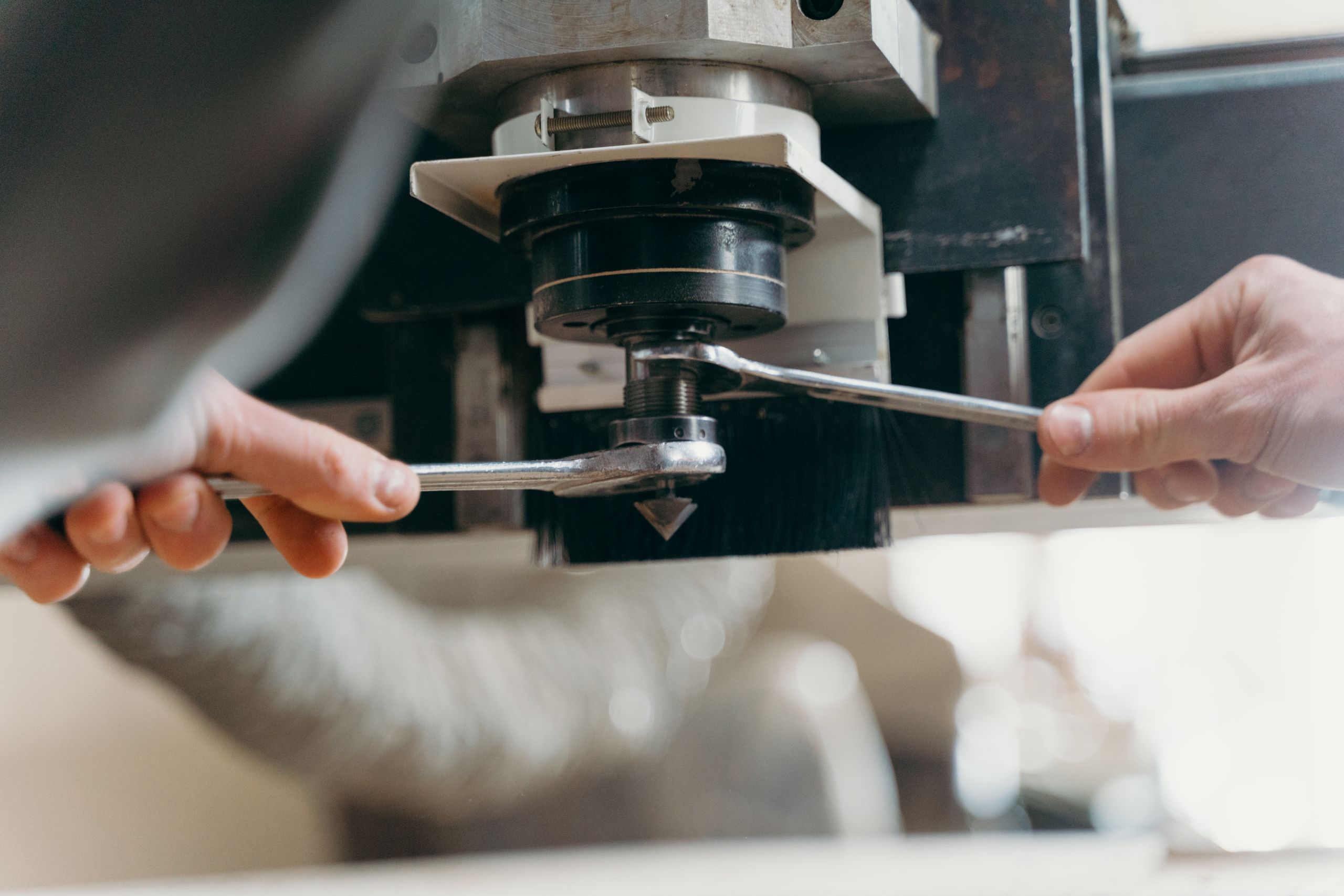
Inspect the PCD edge, clean the shank and collet, minimize stick-out, secure the workpiece, and verify X, Y, Z, tool length, safe height, and clearance. Begin with supplier-recommended speed, feed, plunge, and depth. Monitor chips, sound, heat, finish, and edge condition during a test cut.
Maintenance and Safety
After the spindle stops, remove chips safely, clean the tool with a compatible method, and protect the diamond edge from impact. Use a qualified PCD service for inspection, sharpening, or retipping when applicable. Wear suitable eye and hearing protection, control dust or mist, and never exceed rated speed.
Further Application Support
Explore tooling options at JeeFoo cutting tools. For technical background, review the polycrystalline diamond overview.
Frequently Asked Questions
What materials benefit most from PCD?
Abrasive engineered wood, graphite, composites, filled plastics, and suitable nonferrous metals often provide the clearest tool-life benefit.
Can one PCD tool cover every application?
No. Tip geometry, edge orientation, relief, reach, shank, and operating parameters must match the material, machine, and feature.
How should PCD value be measured?
Measure parts per edge, tool-change time, scrap, finish stability, downtime, service cost, and total cost per acceptable part.

发表回复
要发表评论,您必须先登录。