
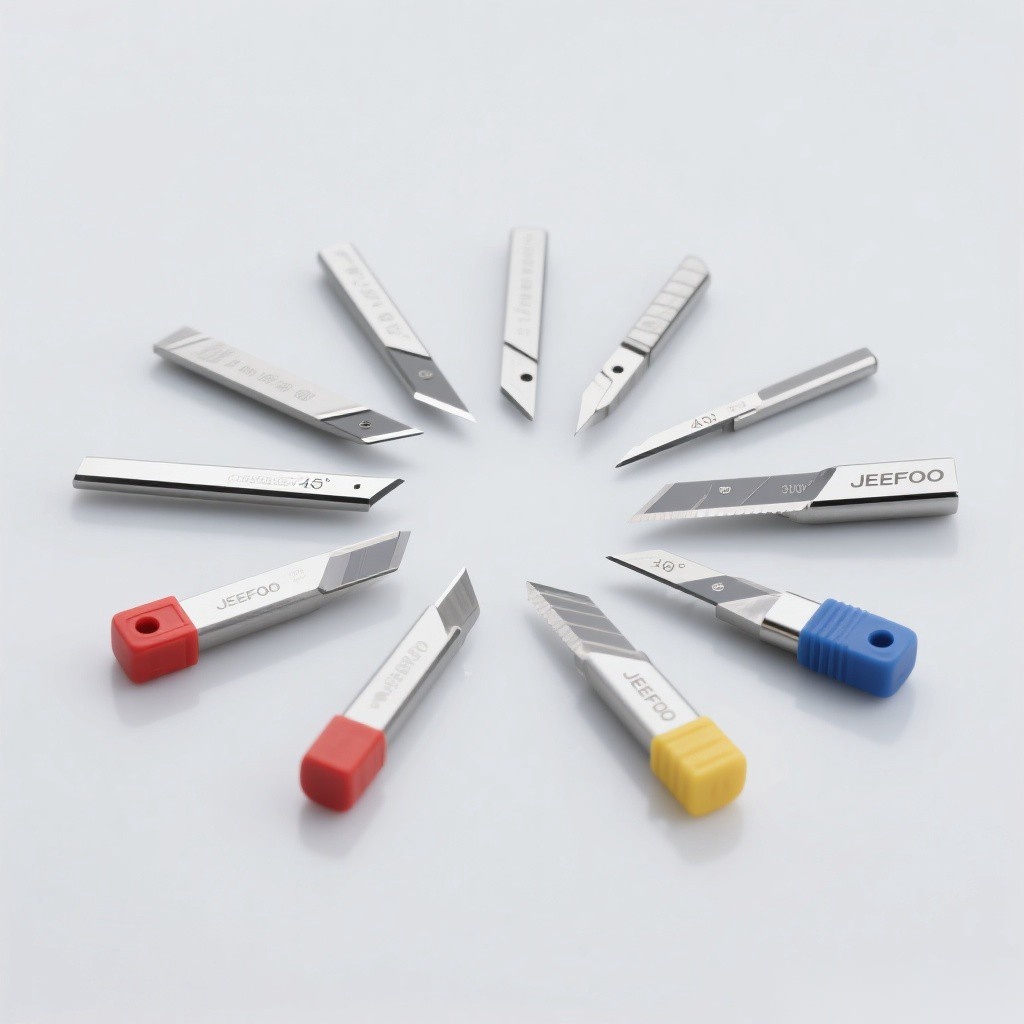
A PCD engraving cutter is a precision tool with a polycrystalline diamond edge selected for long wear life and consistent machining of abrasive nonferrous or nonmetal materials. This PCD Engraving Cutter Selection Guide outlines eight checks for matching geometry, material, machine, quality, and production economics.
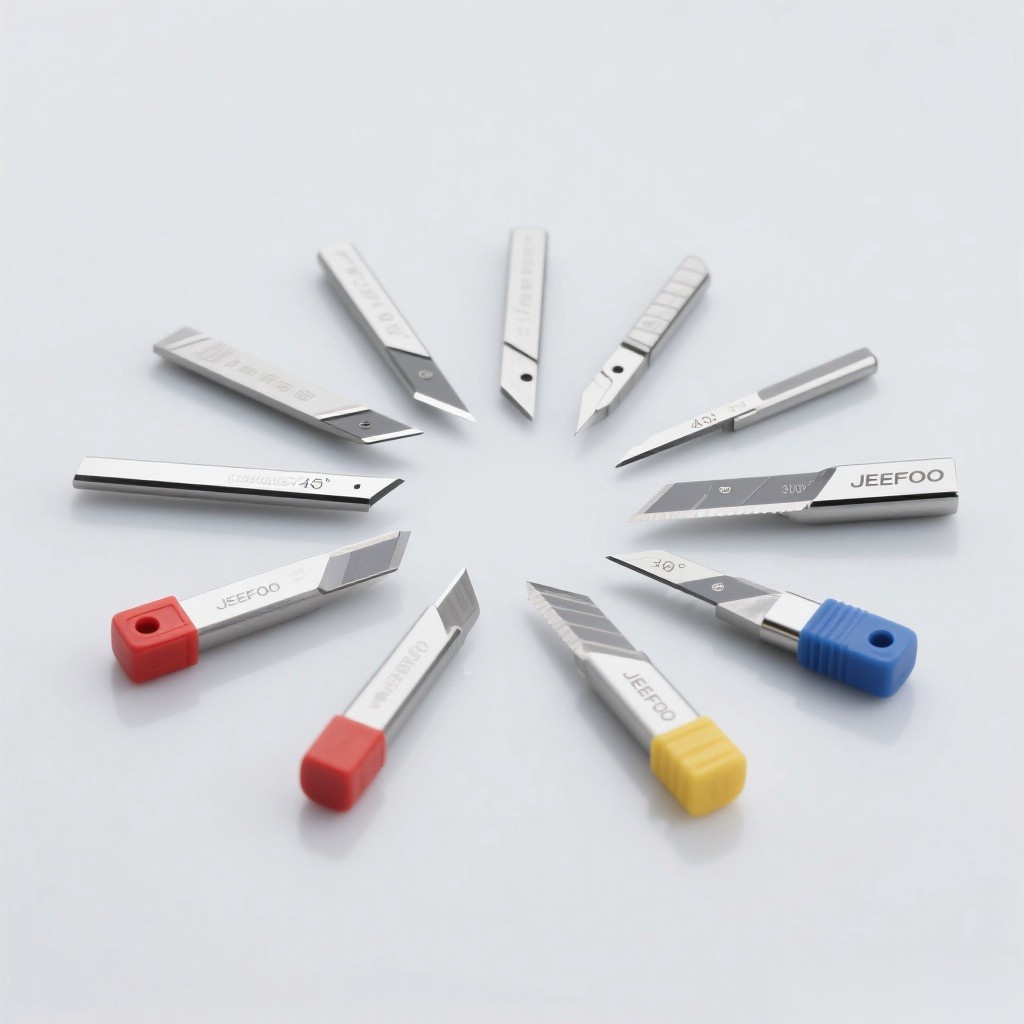
Table of Contents
PCD Engraving Cutter Selection Guide: 8 Checks
- Workpiece material: Confirm composition, abrasiveness, coating, reinforcement, and heat behavior.
- Feature geometry: Match included angle, tip width, diameter, reach, and cutting length to the design.
- Edge orientation: Select cutting direction and relief suited to machine rotation and chip flow.
- Machine capability: Verify spindle speed, power, runout, collet size, rigidity, and tool-change limits.
- Surface requirement: Define acceptable burrs, edge clarity, dimensional tolerance, and finish.
- Production volume: Estimate tool life, changeovers, downtime, and cost per finished part.
- Cutting conditions: Confirm whether the cut is continuous or interrupted and how chips will be removed.
- Service plan: Check inspection, sharpening, retipping, lead time, and replacement support.
Suitable Materials and Limitations
PCD tools are commonly considered for aluminum alloys, copper, graphite, plastics, laminates, engineered wood, and fiber-reinforced composites. They are generally not the first choice for ferrous metals at high cutting temperature because diamond can react with iron. Always obtain supplier approval for the exact material and process.
Geometry and Application Matching
- V-profile: Lettering, signs, chamfers, and width controlled by engraving depth.
- Flat profile: Pockets, slots, cleanup, and flat-bottom details.
- Special profile: Application-specific grooves, edges, or combined features.
Setup Before the First Cut
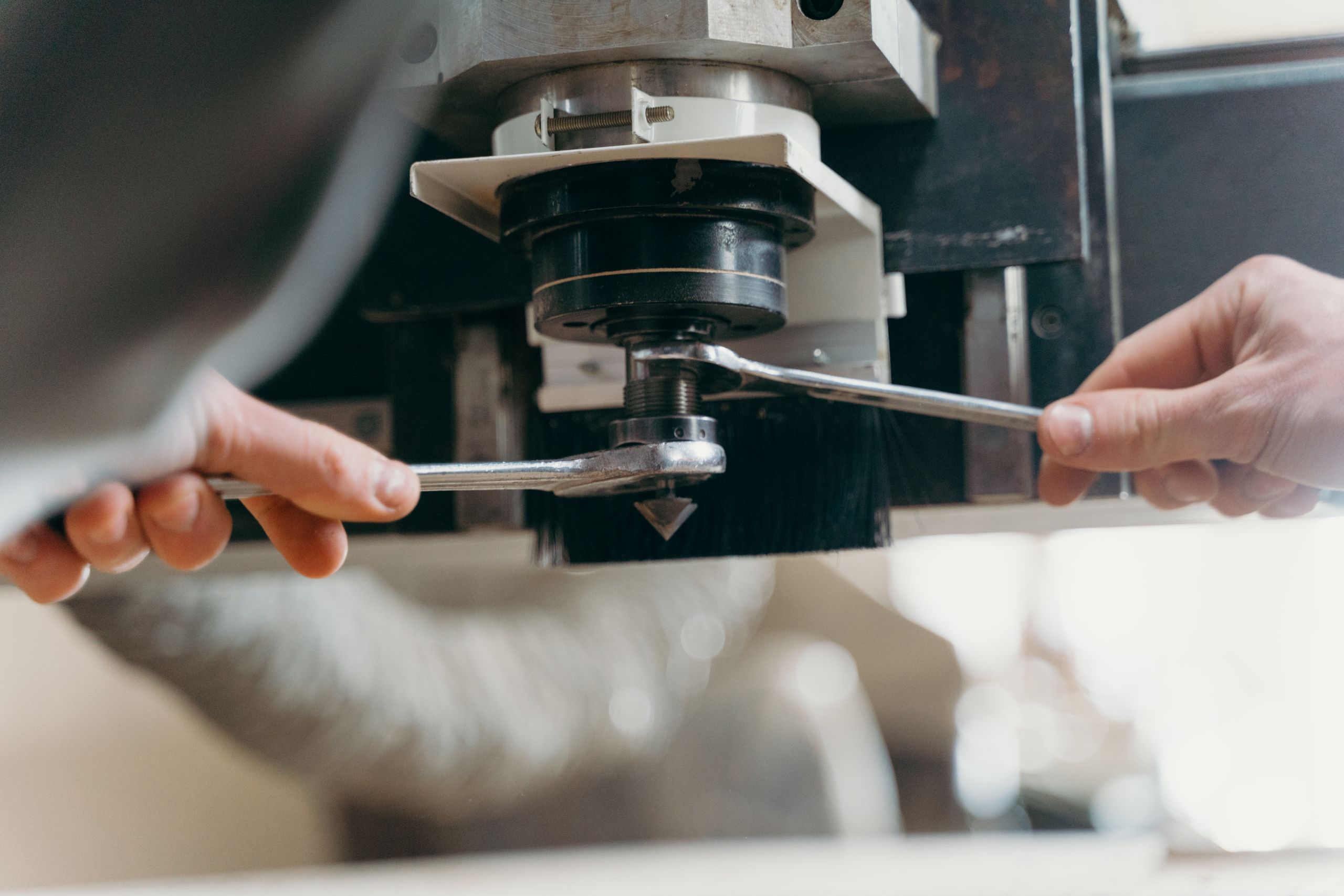
Follow the PCD Engraving Cutter Selection Guide by inspecting the diamond edge, cleaning the shank and collet, minimizing runout and stick-out, securing the workpiece, and verifying X, Y, Z, tool length, safe height, and clearance. Start from supplier-recommended speed, feed, plunge, and depth.
Performance and Cost Evaluation
Compare PCD with carbide by total output rather than purchase price alone. Track tool life, parts per edge, changeover time, scrap, surface consistency, and downtime. PCD is most valuable when long wear life and stable quality reduce the total cost per acceptable part.
Failure Prevention and Care
- Prevent collisions, excessive engagement, and interrupted impact that can chip the edge.
- Control runout, workholding, chip evacuation, and machine vibration.
- After the spindle stops, clean safely and protect the PCD edge from impact.
- Use qualified service for inspection, sharpening, or retipping when supported.
Safety and Further Support
Wear suitable eye and hearing protection, manage dust or mist, keep clear of rotating components, and never exceed rated tool speed. Explore options at JeeFoo cutting tools. For material context, see the polycrystalline diamond overview.
Frequently Asked Questions
What is the main advantage of PCD?
Its main advantage is exceptional wear resistance in suitable abrasive materials, which can support long tool life and consistent finish.
Why is PCD more expensive than carbide?
The diamond cutting element and specialist manufacturing raise initial cost, but lower cost per part may justify it in sustained production.
How is the correct PCD geometry confirmed?
Provide the supplier with material data, drawings, machine details, spindle direction, tolerance, finish, quantity, and current cutting problems.

发表回复
要发表评论,您必须先登录。