
A cleaning knife is a flat-bottom routing tool used to level, surface, and remove residual material from wood, acrylic, PVC, and similar sheet stock. This Cleaning Knife Usage Guide explains how to choose, install, operate, and maintain the tool safely for a clean, even finish.
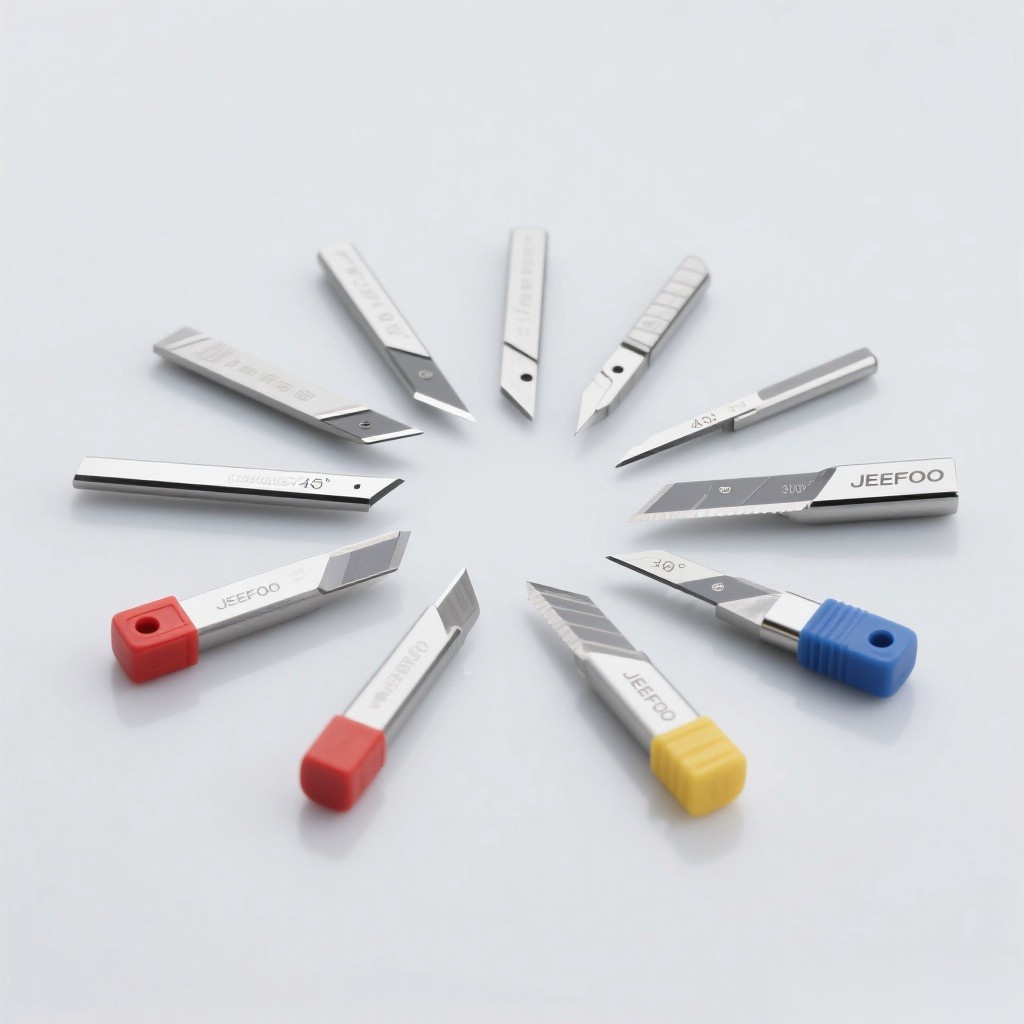
Cleaning Knife Usage Guide: 7 Safe Steps
- Inspect the tool: Check the cutting edge, shank, collet, and machine spindle for damage or contamination.
- Match the knife to the material: Select the correct diameter, cutting-edge geometry, and carbide grade for wood, plastic, or composite board.
- Secure the workpiece: Clamp the sheet firmly and confirm the spoilboard is flat.
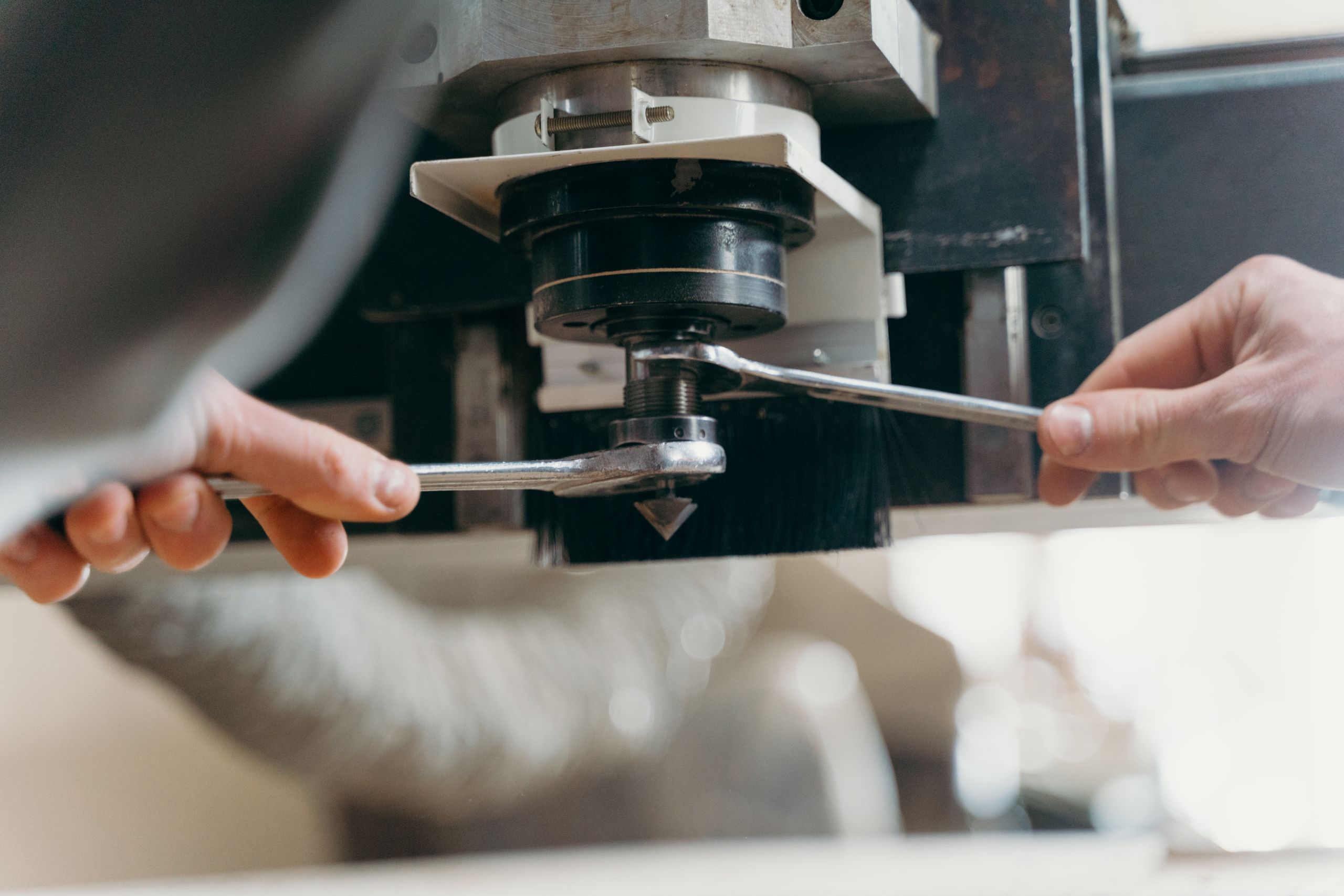
- Install correctly: Clean the collet, insert the shank to the proper depth, and tighten it to the machine maker’s specification.
- Set conservative parameters: Start with the tool supplier’s recommended spindle speed, feed rate, depth of cut, and stepover.
- Make a test pass: Use a shallow cut on scrap material, then inspect finish, vibration, heat, and chip evacuation.
- Clean and store: Stop the spindle fully, remove chips safely, inspect the edge, and store the knife dry.
Recommended Setup and Cutting Parameters
Use this Cleaning Knife Usage Guide with a shallow first pass and increase depth only when the machine is rigid, chips clear freely, and the cutting sound remains stable. Excessive feed can overload the edge, while very low feed can cause rubbing and heat. Always follow the CNC router, collet, and tool manufacturers’ limits.
Material-Specific Tips
- Wood and MDF: Use effective dust extraction and avoid recutting compacted chips.
- Acrylic and PVC: Prioritize chip evacuation and avoid heat buildup that can melt the edge of the cut.
- Composite panels: Use a wear-resistant carbide edge and inspect it frequently for abrasion.
Safety and Maintenance Checklist
- Wear eye and hearing protection and use suitable dust control.
- Never touch or measure the tool while the spindle can move.
- Replace a chipped, cracked, bent, or excessively worn knife immediately.
- Keep the collet and shank clean to limit runout and uneven cutting.
Cleaning Knife Selection Help
For tool options and application support, visit JeeFoo cutting tools. For general terminology and machining context, see the milling cutter overview.
Frequently Asked Questions
What is a cleaning knife used for?
In this Cleaning Knife Usage Guide, it is mainly used to flatten surfaces, clean grooves or bottoms, and remove thin residual layers from machinable sheet materials.
Why does a cleaning knife leave tool marks?
Common causes include spindle runout, a tilted machine axis, a dull edge, excessive stepover, poor workholding, or unsuitable feed and speed.
How often should the cutting edge be checked?
Inspect it before installation, after any abnormal sound or impact, and at regular intervals based on material abrasiveness and production volume.

发表回复
要发表评论,您必须先登录。