
Single vs Double Edge Cutter Guide
Single vs Double Edge Cutter Guide compares one-flute and two-flute CNC router tools. A single-edge cutter has a larger chip channel and is useful when chip evacuation, low heat, and high feed per tooth matter. A double-edge cutter has two cutting edges, gives more cuts per revolution, and often produces a finer finish in stable machining.
Table of Contents
Key Differences
- Chip space: one flute provides more room for chips.
- Finish: two flutes can leave a smoother surface at a suitable feed.
- Heat: one flute often reduces recutting in plastics and aluminum.
- Feed: flute count changes chip load and required machine feed.
- Rigidity: two-flute tools may have a stronger core at the same diameter.
Which Cutter Should You Choose?
Choose one flute for soft plastics, aluminum, or machines that cannot maintain a high feed while clearing chips. Choose two flutes when rigidity, balanced cutting, and surface finish are priorities. Always match geometry, coating, diameter, and cutting direction to the workpiece.
Setup and Safety
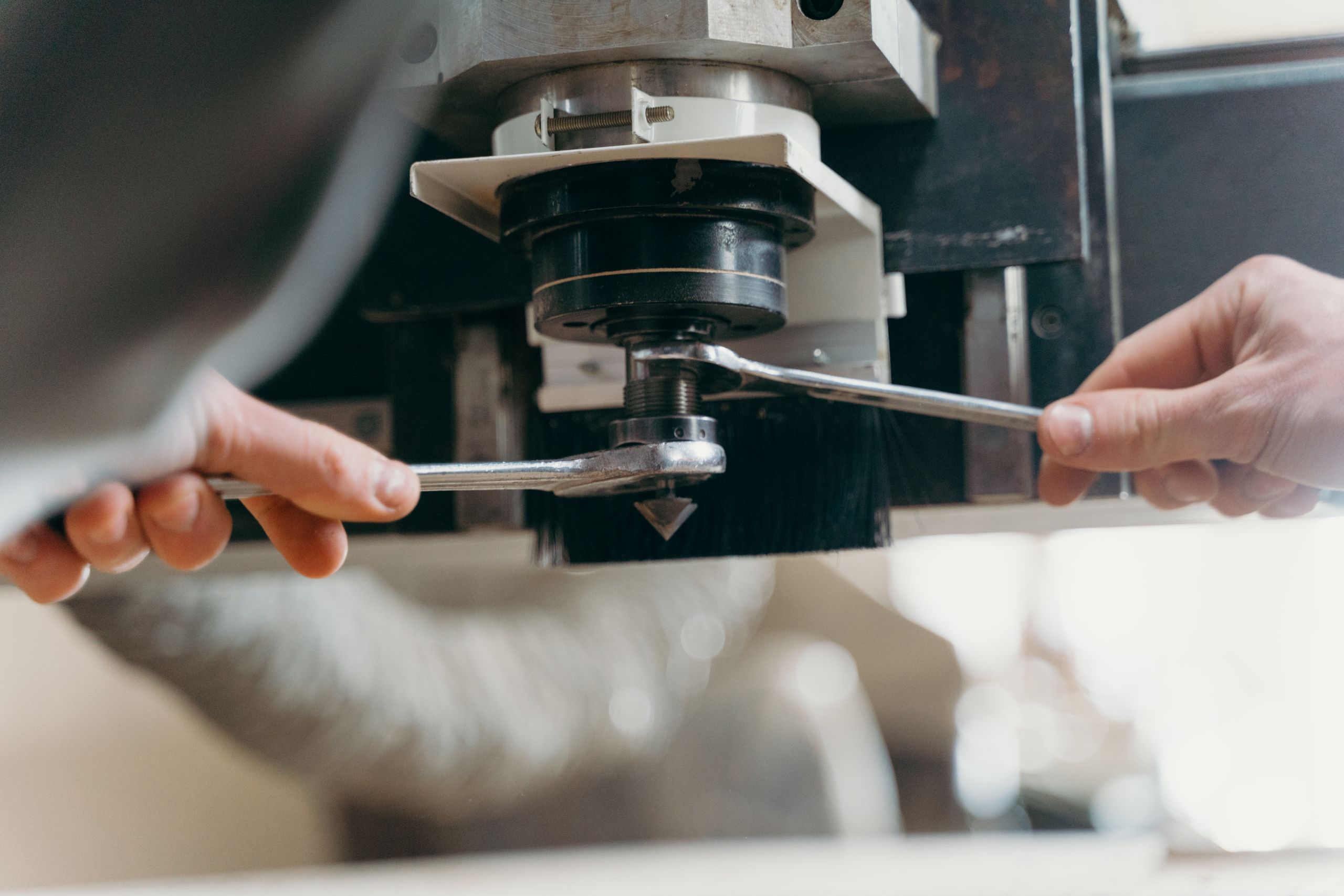
Minimize runout and projection, use rigid workholding, and set speed and feed from chip-load data. Make a shallow test cut and inspect chips, noise, finish, and tool temperature. A qualified cutting tool manufacturer can recommend geometry. See general milling cutter principles.
Router Cutter FAQ
Is one flute always faster? No. It can support high chip load, but actual speed depends on spindle power, rigidity, material, and chip evacuation.
Does two flute always give a better finish? Not if chips recut, the feed is too low, or the machine has runout or vibration.

发表回复
要发表评论,您必须先登录。