
CNC Tool Material Requirements
CNC Tool Material Requirements define the properties a cutting tool needs to machine accurately at production speed. The material must combine hardness, hot hardness, wear resistance, toughness, chemical stability, and manufacturability so the edge stays sharp without chipping or deforming.
Table of Contents
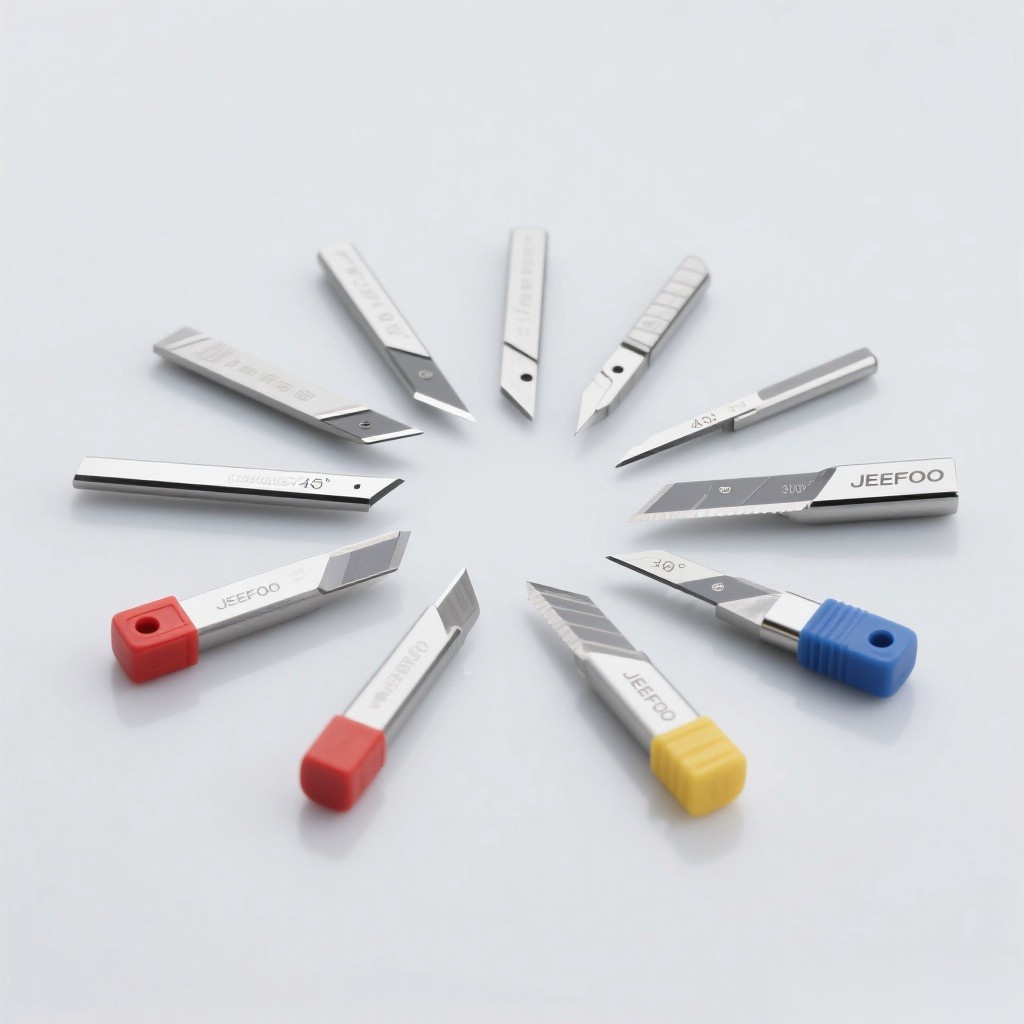
Seven Essential Material Properties
- Hardness: the edge must be harder than the workpiece.
- Hot hardness: cutting performance must remain stable as temperature rises.
- Wear resistance: the material should resist abrasion, adhesion, and crater wear.
- Toughness: the tool must tolerate impact, vibration, and interrupted cuts.
- Thermal conductivity: controlled heat flow helps protect the edge and workpiece.
- Chemical stability: low reactivity reduces diffusion and built-up edge.
- Manufacturability: the material must support reliable grinding, coating, and inspection.
How to Match Material to the Operation
High-speed steel suits tough, lower-speed tools and complex profiles. Cemented carbide supports higher cutting speeds and broad CNC use. Ceramics and superhard materials can excel in stable, high-temperature finishing, while coated grades balance wear resistance and toughness. Selection should also consider machine rigidity, coolant strategy, workpiece hardness, and whether the cut is continuous or interrupted.
Consult an experienced cutting tool manufacturer for grade and geometry recommendations. For terminology and process context, see the overview of machining.
CNC Cutting Tool FAQ
Is the hardest material always best? No. Excessive hardness with insufficient toughness can cause edge chipping, especially during vibration or interrupted cutting.
Why is hot hardness important? The cutting zone becomes hot at speed. A material that softens quickly loses geometry, accuracy, and service life.


发表回复
要发表评论,您必须先登录。