
Seven Taper End Mill Uses
Taper end mill uses center on machining angled walls, deep features, and profiles that require increasing tool diameter from tip to shank. The tapered body provides greater cross-sectional support than a straight tool of the same tip size, helping reduce deflection. Accurate taper angle and concentric grinding are essential for predictable dimensions and surface quality.
Seven common applications are draft walls, deep cavities, molds, dies, tapered slots, engraving, and profile milling. Small included angles suit gradual walls, while larger angles create steeper features. Tip diameter, taper angle, cutting length, flute count, helix, carbide grade, and coating must match the workpiece, machine, depth, and required finish.
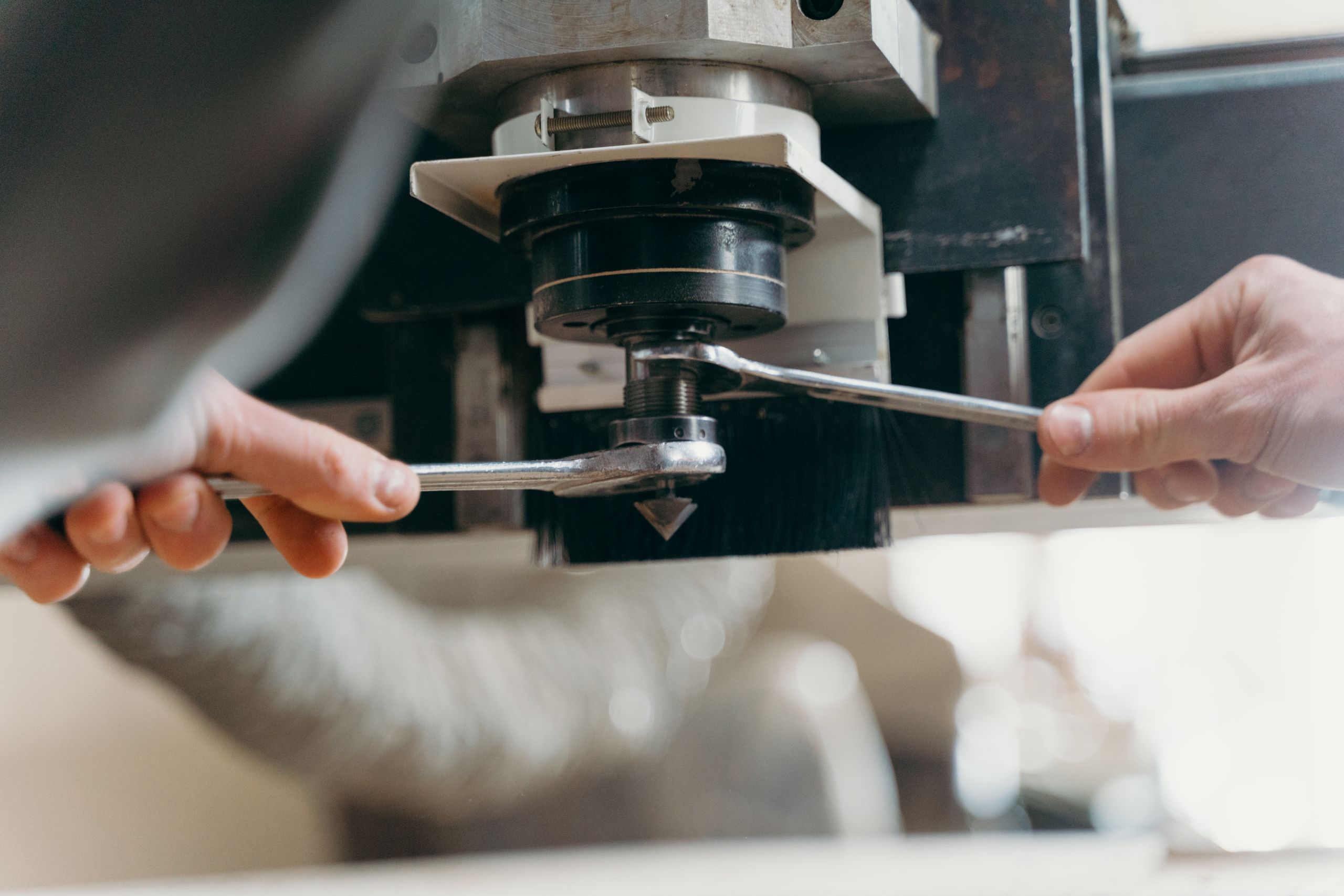
Match taper end mill uses to material hardness, cavity depth, wall angle, corner radius, machine rigidity, speed, feed, and coolant. Keep projection short, minimize runout, and monitor chips, sound, vibration, temperature, deflection, dimensions, and edge wear. A qualified cutting tool supplier can recommend practical geometry. General end mill principles also help compare engagement, chip load, reach, and tool life.

发表回复
要发表评论,您必须先登录。