
Seven Reversible Milling Cutter Benefits
Reversible milling cutter benefits come from using more than one cutting edge, insert position, or working end before replacing the complete tool. Turning or indexing a worn edge restores cutting performance quickly, extends the value of the cutter body, and can reduce inventory. This design is especially useful in repeat production where downtime and cost per part matter.
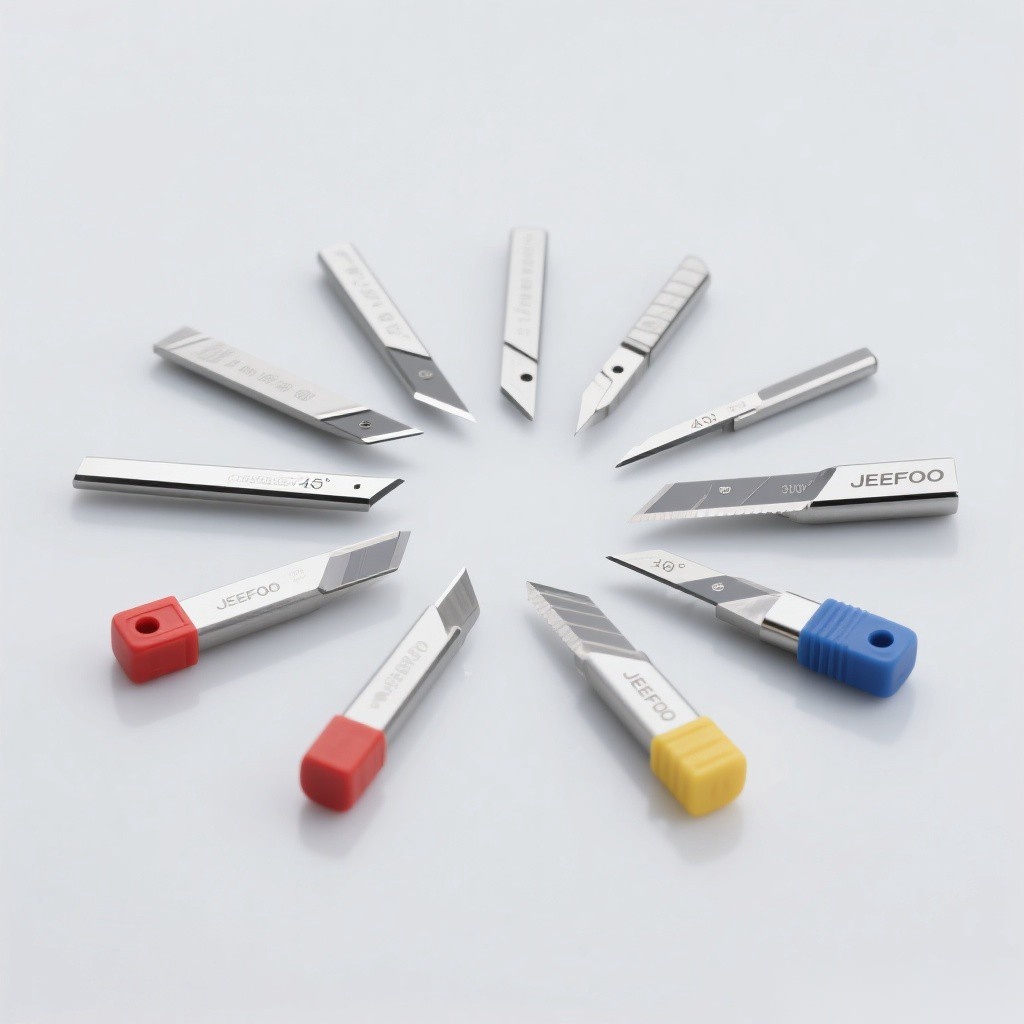
Seven key gains are longer usable life, lower cost per edge, reduced downtime, quick indexing, repeatable accuracy, less material waste, and flexible application. Replaceable or reversible edges also simplify maintenance and allow operators to plan changes before finish quality declines. Accurate pockets, secure clamping, and balanced construction help every available edge perform consistently.
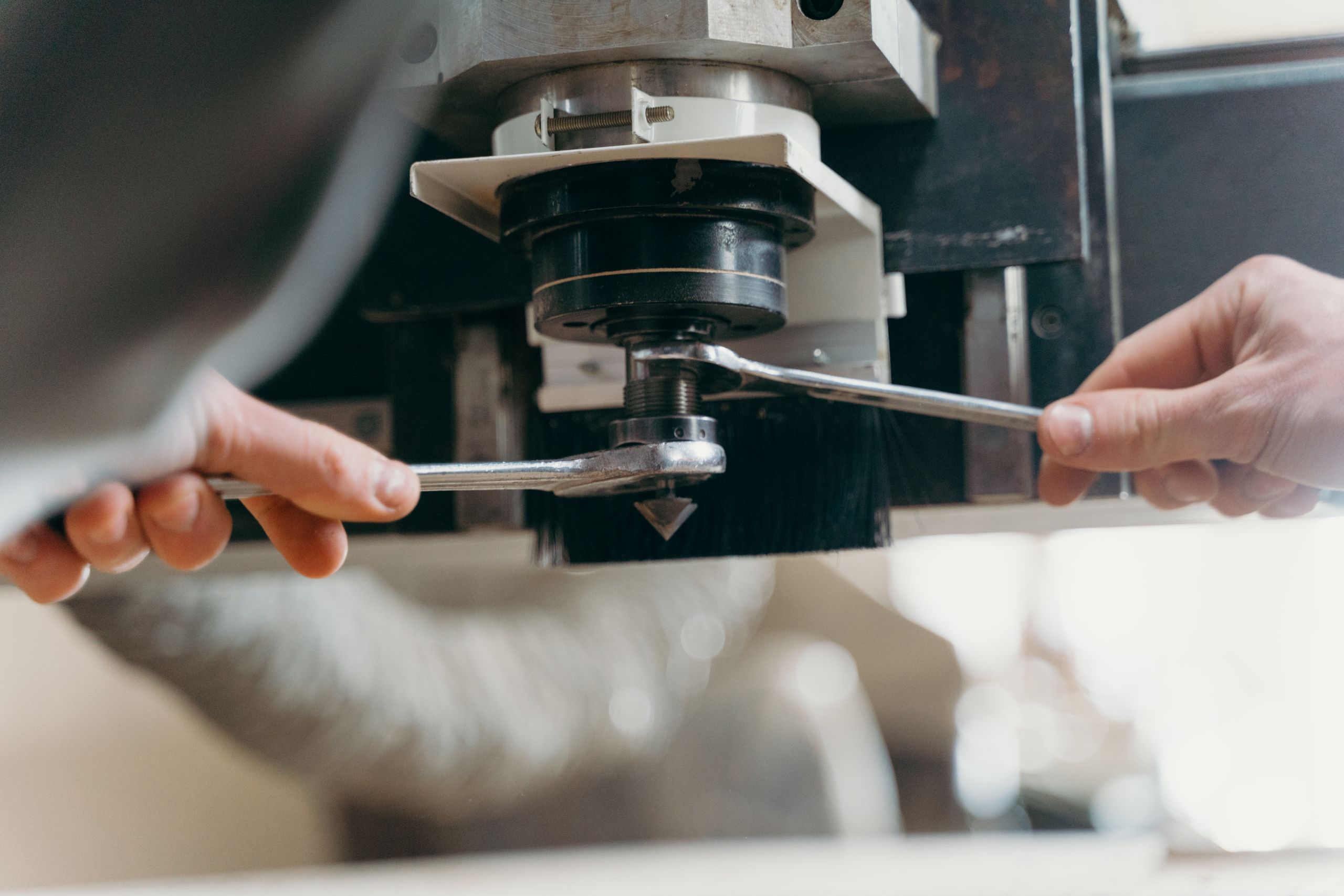
Realize reversible milling cutter benefits by following insert orientation, seat cleaning, screw condition, and torque requirements. Track edge use, minimize runout, and inspect chips, sound, vibration, temperature, dimensions, and finish after indexing. A reliable cutting tool supplier can recommend a compatible body and edge geometry. General milling cutter principles also help compare engagement, chip load, rigidity, and tool life.

发表回复
要发表评论,您必须先登录。