
Seven Combination Cutter Applications
Combination cutter applications focus on completing several related cutting features in one setup. A tool may combine straight, angled, radiused, or grooving edges to produce a finished profile with fewer passes. This approach is useful when a component requires repeated geometry, tight relationships between features, and consistent output across a production batch.
Common uses include cabinet-door profiles, furniture edges, tongue-and-groove joints, window and door components, decorative moldings, flooring, panel grooves, and shaped trim. In automated machining, one combination tool can reduce tool changes, cycle time, positioning error, and tool magazine demand. Custom profiles also help reproduce legacy parts or create brand-specific product details.
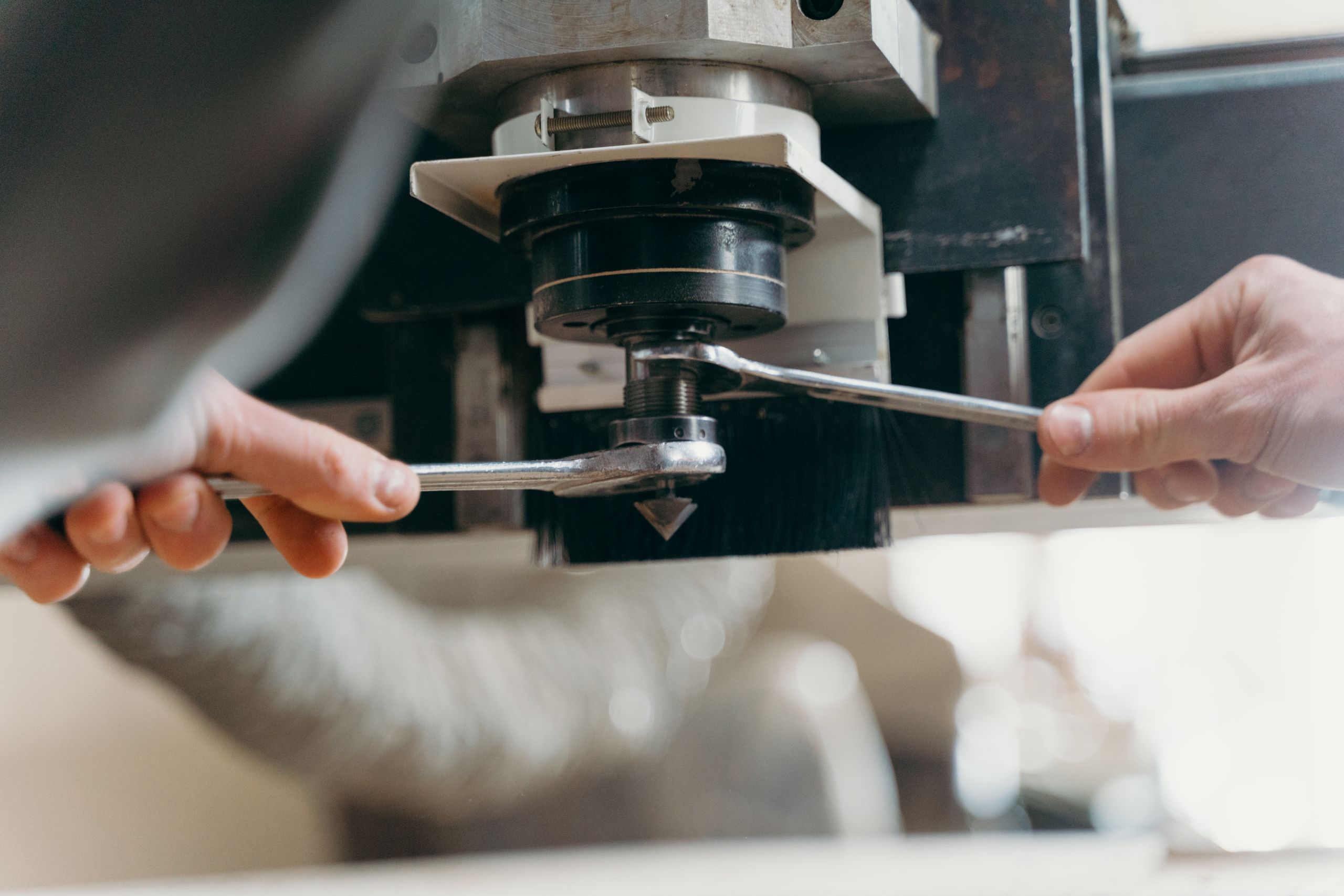
Evaluate combination cutter applications by checking workpiece material, profile complexity, machine power, spindle interface, available clearance, production volume, resharpening, and cost per part. Match body diameter, edge sequence, carbide grade, coating, flute space, and balance to the job. Keep projection controlled and verify runout, feed, speed, pass depth, chip extraction, workholding, and guard clearance. A capable cutting tool supplier can develop or recommend suitable geometry. General milling cutter principles help assess forces, wear, finish, tool life, and safe use.

发表回复
要发表评论,您必须先登录。