
Seven Rough Milling Cutter Usage Tips
A rough milling cutter removes large volumes of material quickly before a finishing pass establishes final dimensions and surface quality. Its serrated or chip-breaking cutting edges divide the load, reduce cutting resistance, and create smaller chips. This makes roughers effective for deep slots, shoulders, pockets, and heavy profiling in wood, plastics, aluminum, steel, and other machinable materials.
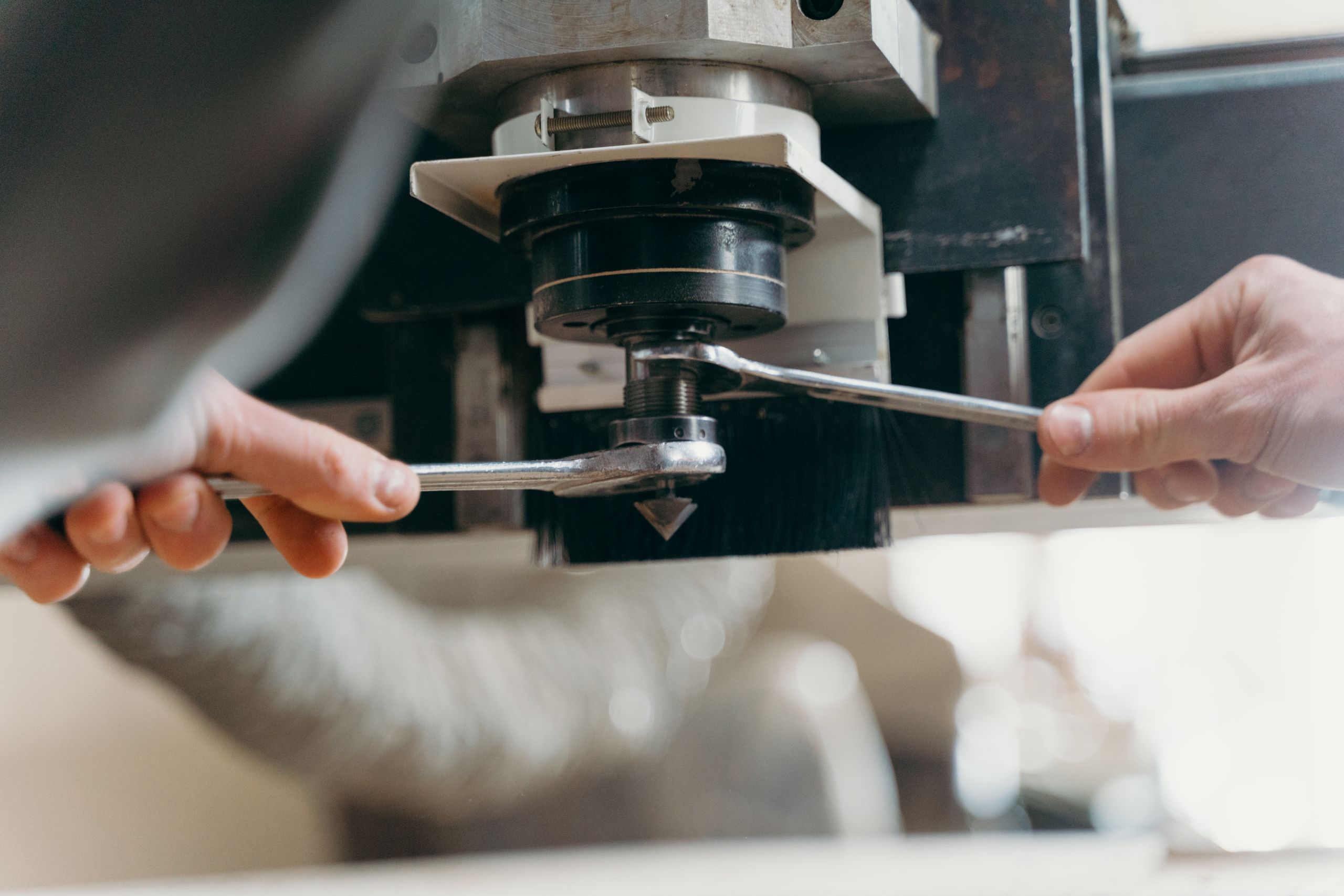
Choose diameter, flute count, pitch, coating, carbide grade, and cutting length for the workpiece and machine. Use secure workholding, minimum tool projection, appropriate radial and axial engagement, and a feed rate that keeps every edge cutting. Avoid dwelling because rubbing generates heat and shortens tool life. Clear chips with effective extraction or air, inspect the edge for wear or chipping, and leave consistent stock for the finishing tool. Reduce depth or width of cut if vibration, spindle load, or chip packing increases. Check collet fit, runout, cutting direction, fixture clearance, and machine guards before starting. A reliable cutting tool supplier can match geometry to the application. Standard milling practices improve productivity, accuracy, tool life, and operator safety.

发表回复
要发表评论,您必须先登录。