
Seven Borderless Knife Selection Factors
Borderless knife selection begins with the required cut shape, depth, edge finish, workpiece material, and machine interface. Compare cutter diameter, cutting edge geometry, shank size, flute count, tool material, coating, and maximum speed. The correct design should provide clean cutting without leaving an unwanted shoulder or boundary on the machined surface.
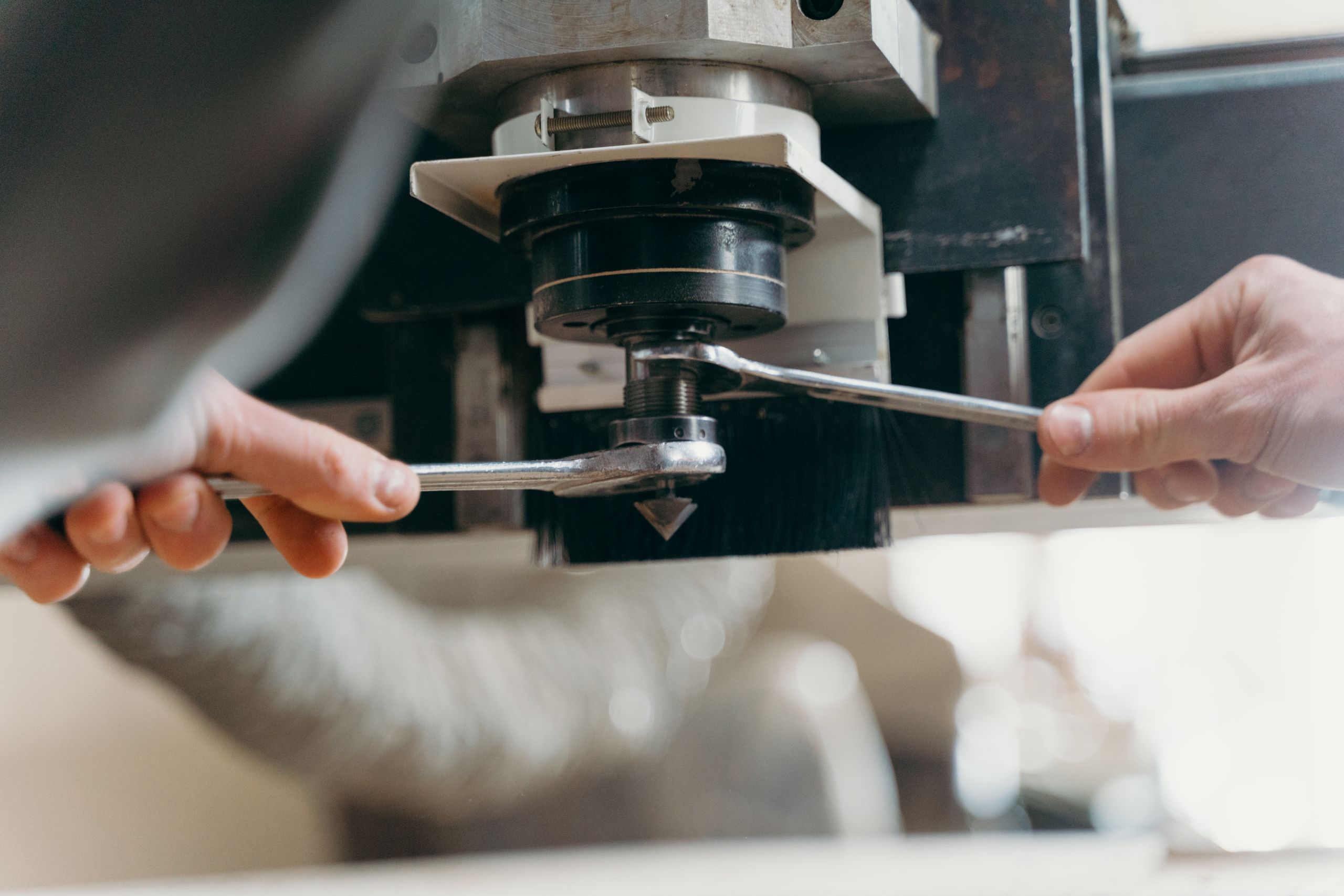
Choose carbide grade and edge geometry according to wood, plastics, composites, foam, laminates, or selected nonferrous materials. Confirm that cutting length and diameter match the feature while the shank fits the collet securely. Use the shortest practical projection, suitable spindle speed, and feed per tooth to limit heat, chatter, and deflection. Check runout, chip evacuation, depth per pass, cutting direction, workholding, and fixture clearance before production. Test the result on scrap material when finish is critical. A reliable cutting tool supplier can recommend compatible geometry. Accepted milling cutter practices improve accuracy, finish, tool life, and safety.

发表回复
要发表评论,您必须先登录。