
Seven Industrial Tool Holder Usage Tips
An industrial tool holder connects the machine spindle to the cutting tool and directly affects runout, rigidity, balance, vibration, accuracy, and surface finish. Common systems use collets, end-mill holders, hydraulic chucks, shrink-fit holders, or other interfaces. Select the holder type, taper, shank capacity, projection, and speed rating for the spindle, cutter, and machining load.
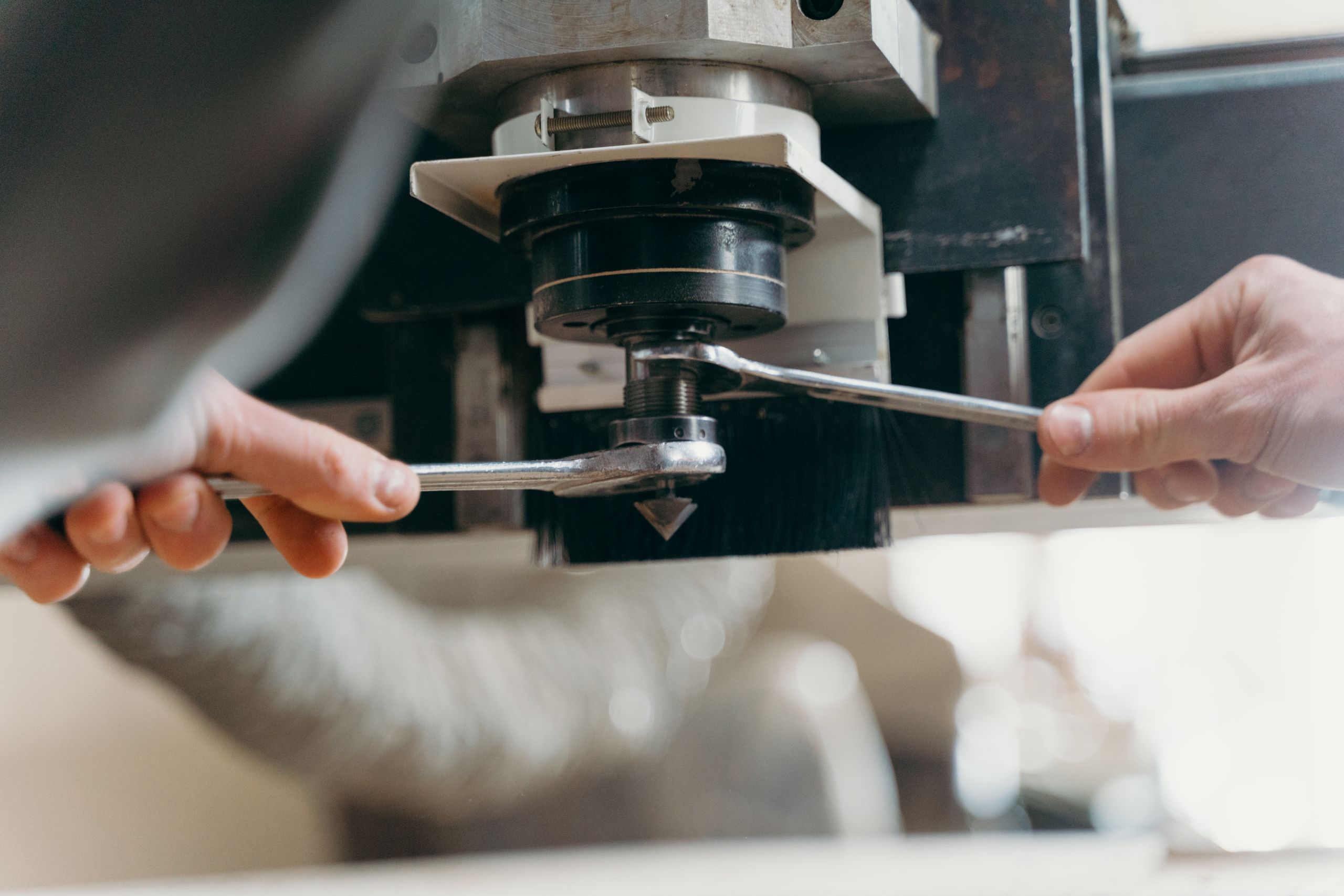
Clean the spindle taper, holder, collet, nut, and tool shank before assembly because small particles can create runout and poor contact. Insert the cutter to the specified depth, minimize overhang, and tighten with the recommended torque and correct wrench. Measure runout, verify balance for high-speed work, and never exceed the holder’s rated speed. Inspect contact surfaces for wear, fretting, corrosion, cracks, or deformation, and replace damaged components. Store each tool holder in a clean, dry rack and follow accepted machine taper practices to maintain accuracy and safety.

发表回复
要发表评论,您必须先登录。