Five Essential Functions of a Tool Holder
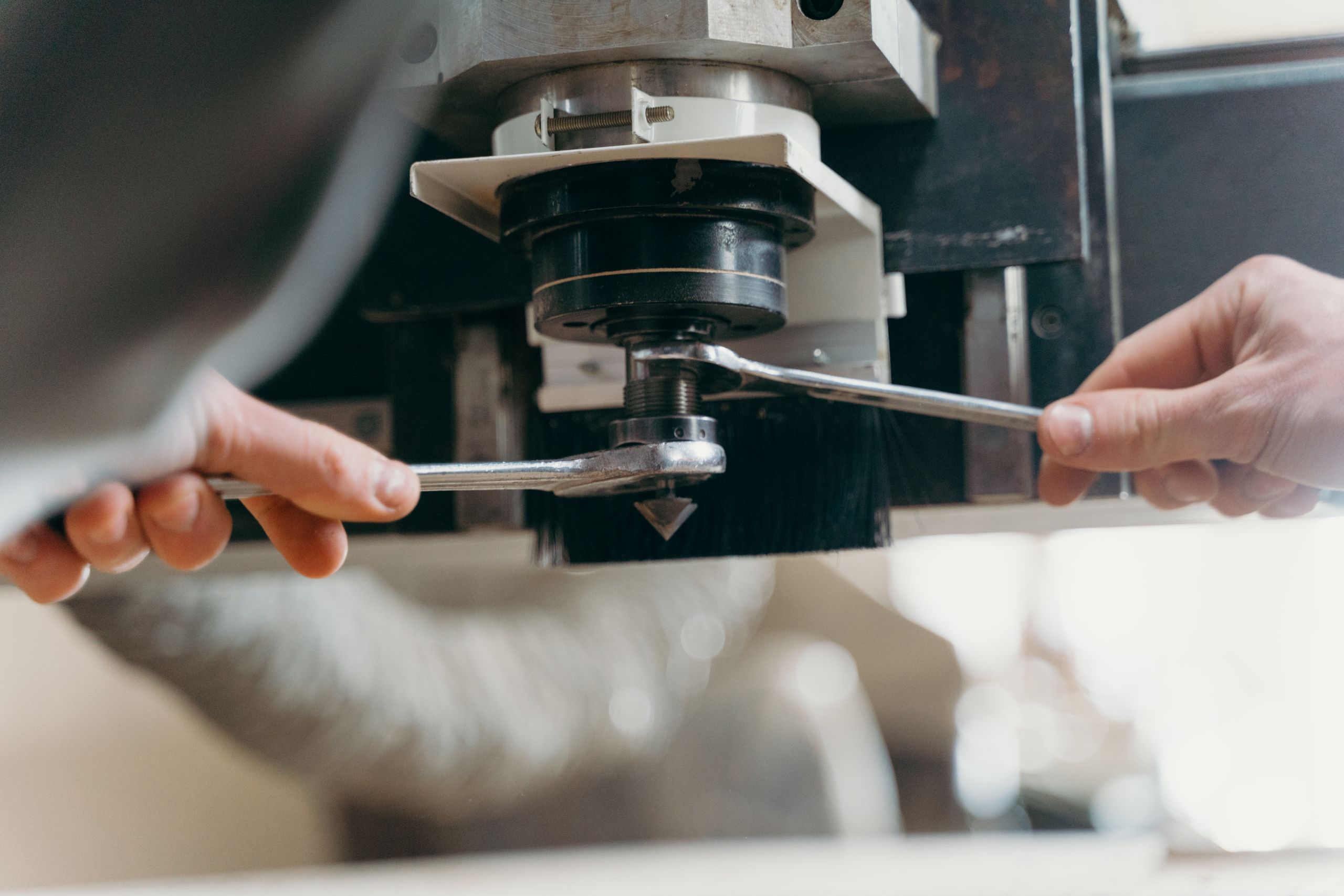
A tool holder connects the cutting tool to the spindle and performs several critical functions. It grips the shank securely, transfers spindle torque, locates the cutter concentrically, limits runout, and supports rigidity under cutting load. A suitable holder also makes tool changes repeatable and helps protect both the cutter and spindle. These functions directly affect accuracy, vibration, surface finish, productivity, and tool life.
Select the holder type, taper or interface, collet or clamping range, gauge length, balance grade, and torque capacity for the machine and operation. Keep the tool holding, collet, shank, and spindle interface clean and undamaged. Insert the tool to the correct depth, tighten it to the specified torque, and check runout before machining. Avoid excessive overhang and replace worn components promptly. Correct selection and maintenance improve stability and reliability in toolholding systems.