Key Features of a Double-Fluted Ball-End Mill
A double-fluted ball-end mill combines a rounded cutting tip with two flutes to machine curved surfaces, pockets, molds, and three-dimensional contours. The ball profile creates smooth transitions without sharp internal corners, while the two cutting edges provide a useful balance between material removal, chip space, and tool strength. This geometry supports both semi-finishing and finishing in wood, plastics, aluminum, nonferrous metals, and other suitable materials.
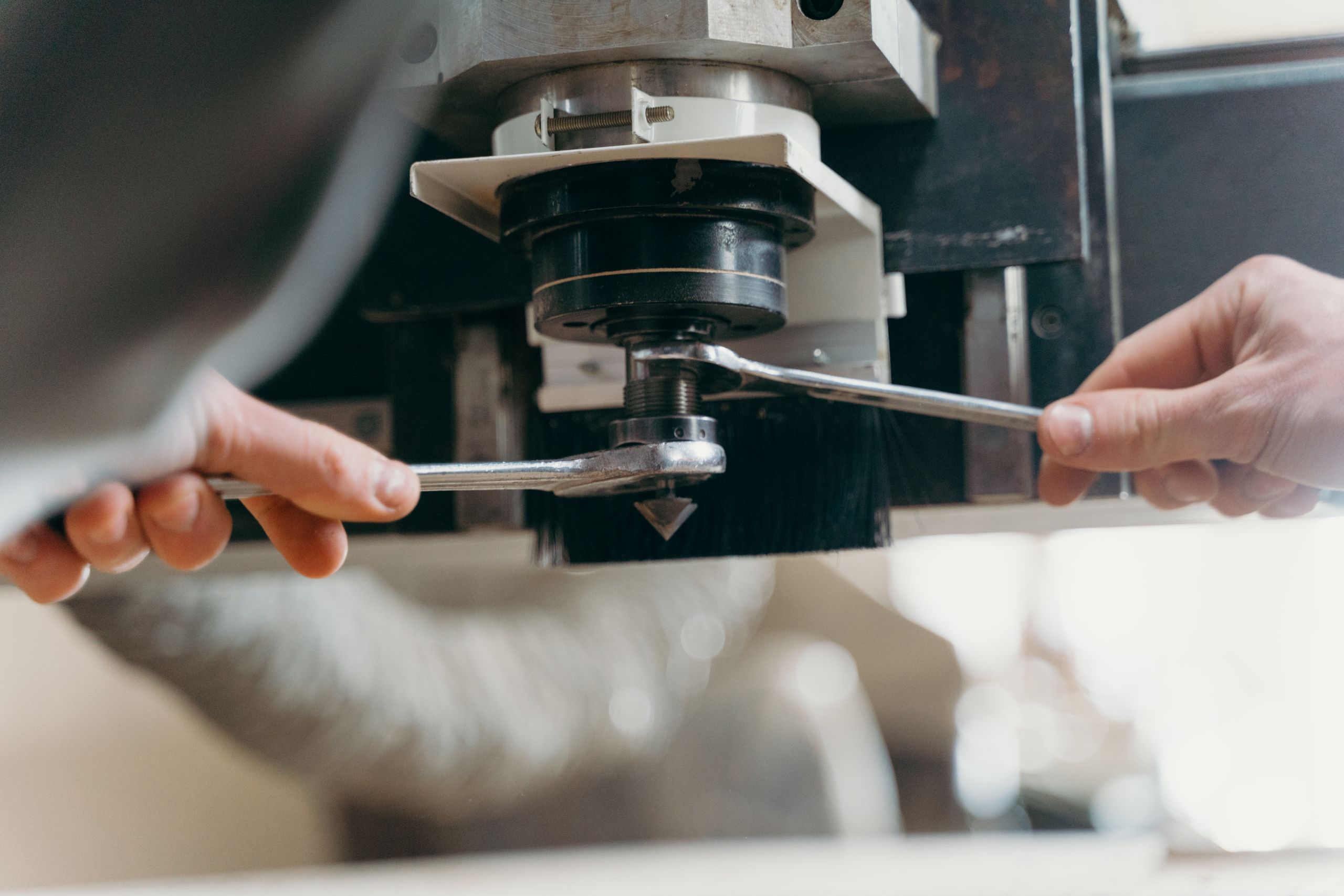
Select the cutter diameter, ball radius, flute length, shank size, material, and coating for the required contour and workpiece. Accurate tool holding, low runout, suitable spindle speed, controlled feed, small step-over, and effective chip evacuation help prevent vibration, rubbing, and surface marks. Use progressive passes and avoid excessive engagement near the tool tip. Correct setup improves contour accuracy, finish consistency, productivity, and cutter life in end milling.