Four Carving Tool Selection Mistakes to Avoid
Carving tool selection should begin with the workpiece material and the required result. A cutter designed for soft wood may not perform safely or cleanly on acrylic, aluminum, stone, or composite panels. Check the cutting-edge material, coating, flute geometry, tip shape, and usable cutting length before choosing a tool. Match fine pointed cutters to lettering and detail work, ball-end cutters to curved surfaces, and straight or spiral cutters to grooving, trimming, and material removal.
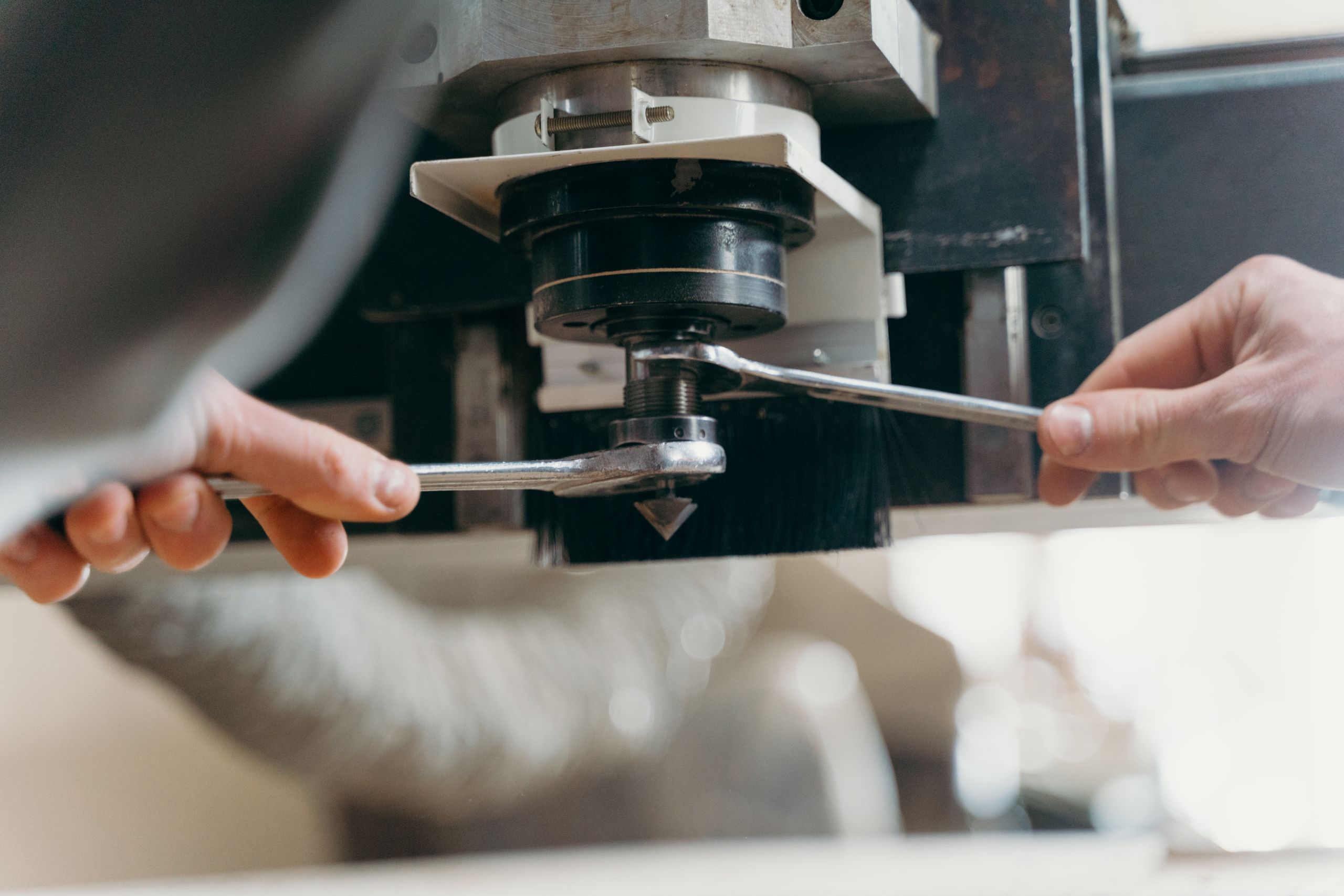
Do not overlook shank diameter, collet compatibility, machine power, spindle speed, feed rate, and maximum cutting depth. Excessive tool overhang, a worn collet, or an unsuitable speed can cause vibration, breakage, poor dimensions, and rough edges. Inspect grinding quality and edge consistency instead of choosing only by price. A short test cut helps confirm the setup before batch production. Careful carving tool matching improves safety, finish quality, and tool life in milling and engraving work.