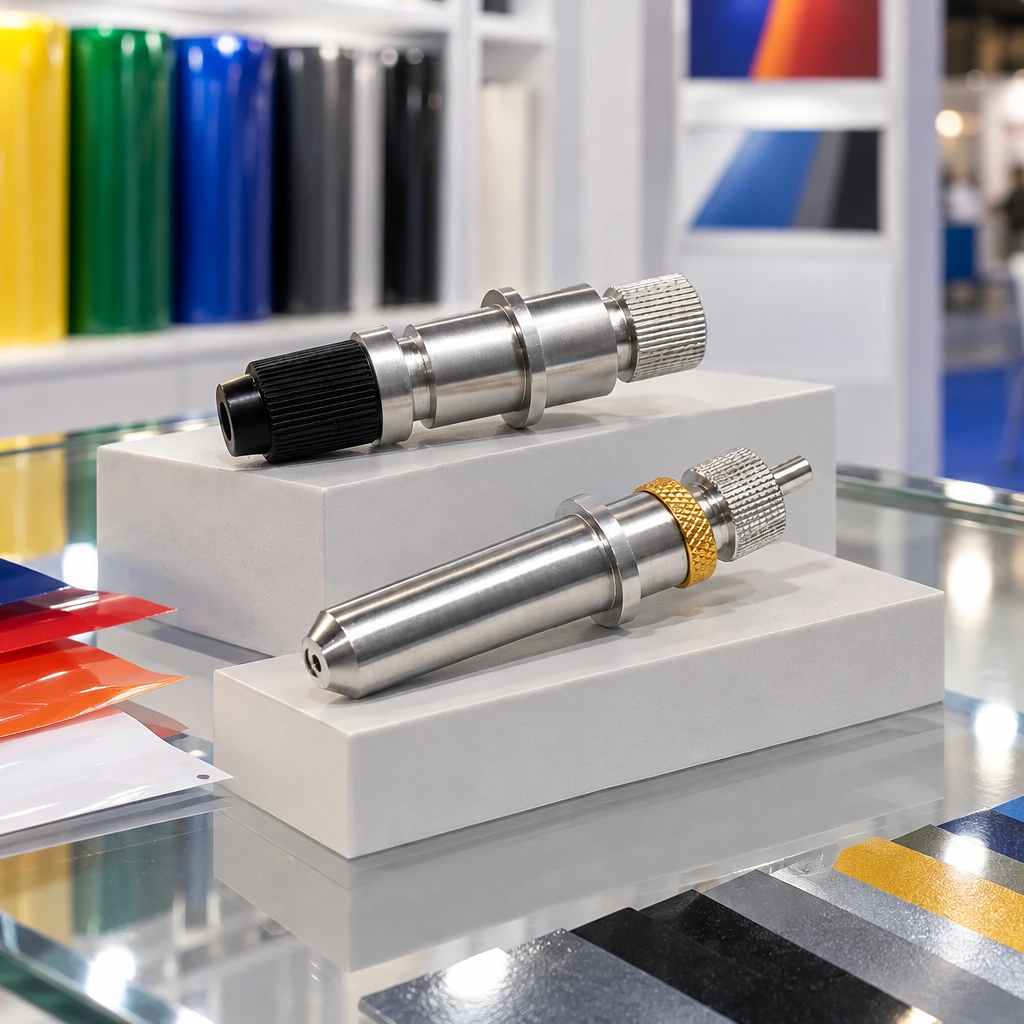
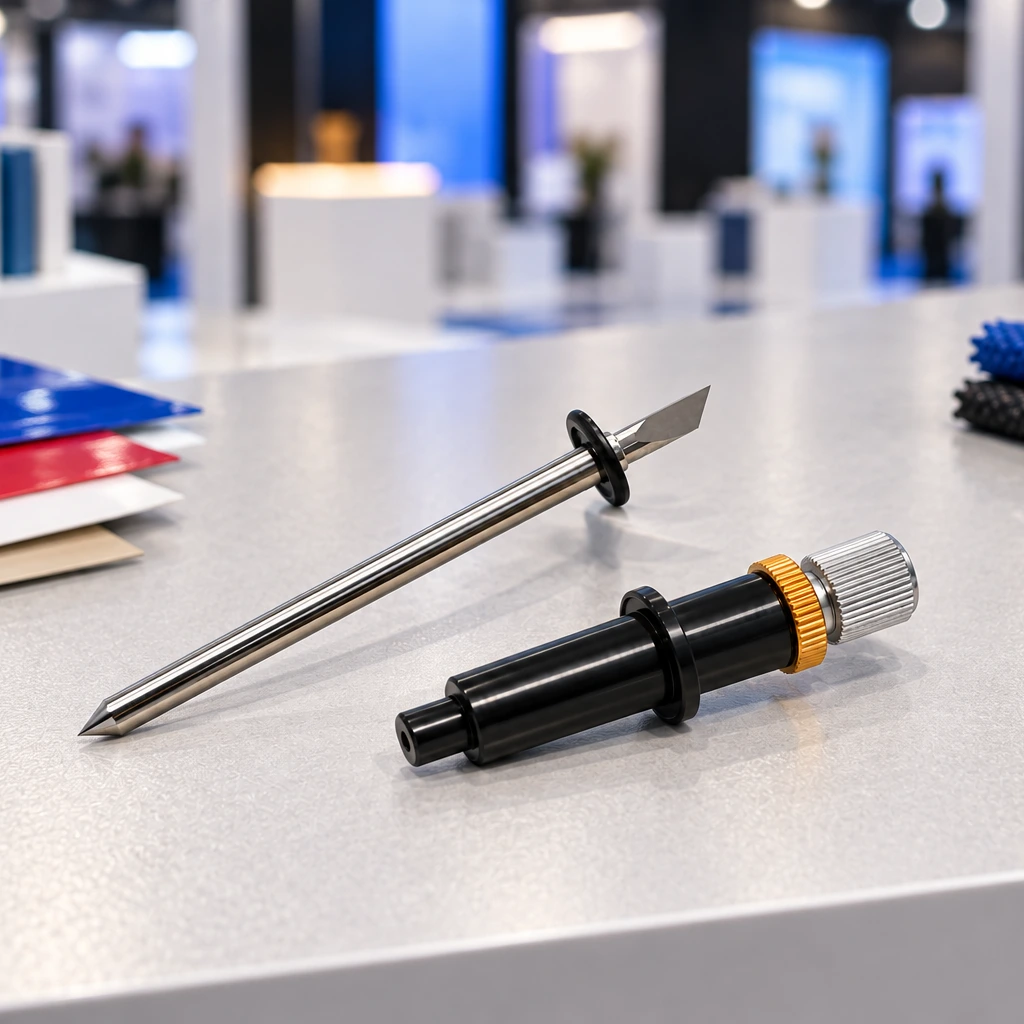
The engraving knife industry covers tools for different processes, so buyers should compare the tool type, documented compatibility, sample performance and supply conditions before treating a product claim as a purchasing fact. A plotter blade that cuts film is not interchangeable with a rotating CNC engraving cutter. This JEEFOO® buying perspective focuses on evidence a workshop can check rather than unsupported market-growth forecasts.
1. Separate engraving knife industry product categories
Start with the operation. Film-cutting plotters use a blade and matching holder to follow an intended path. CNC engraving tools remove material through a rotating cutting process. These groups need different equipment, interfaces and operating instructions. A shared word such as “engraving” does not establish that a blade can mill board, cut metal or fit an unrelated machine. Identify the process before comparing descriptions or prices.
For film-cutting enquiries, review the JEEFOO cutting plotter blade catalogue alongside the installed holder reference. Ask the supplier to identify the exact offered component and intended application. Product-family names route an enquiry; they do not establish universal compatibility or original-equipment status. Keep the manufacturer reference, supplier wording and your internal stock code together so the same term does not describe several different parts.
2. Verify engraving knife industry performance claims
Material, coating and cutting-edge descriptions should be confirmed for the actual offered reference. Ask what documentation supports the stated composition or application. Do not infer that a coating, carbide label or diamond-related term automatically suits every film, board or metal. These descriptions can involve different cutting processes, and a broad industry article cannot replace the specific tool and machine instructions.
Treat statements about longer life, higher precision or faster output as claims requiring a defined comparison. Ask which material, artwork, equipment, settings and acceptance criteria were used. A useful report distinguishes an observed result from a general promise. Without comparable conditions, a claimed percentage improvement or universal service life is not a sound basis for an engraving knife industry purchasing decision.
3. Evaluate samples on the workshop’s real job
Define the required result before asking for a sample. For a film job, include the relevant small details, intended contours, backing condition and waste-removal method. Confirm the blade and holder match before installation, then follow the applicable machine procedure. Record the offered reference, material, artwork version and conditions with the accepted sample. A successful test supports the tested combination rather than every product in the same catalogue family.
The Roland DG cutting-conditions guide provides a manufacturer example of relating blades to materials and checking conditions through a test cut. Its stated values belong to the listed equipment and components. Use the instructions for your own assembly instead of copying a numerical setting into an unrelated application. This distinction makes an industry discussion useful without turning it into an unsupported technical specification.
4. Compare engraving knife industry supply terms
Separate the technical decision from the commercial offer. Confirm pack contents, quantity, availability, quotation validity and delivery terms in writing. If a particular document, original-equipment status or custom geometry is required, state that condition explicitly. Ask how samples and later production deliveries will be identified. Catalogue presence alone does not establish current stock, lead time or acceptance of a custom requirement.
For repeat orders, retain packaging references and the link to the approved sample. Review substitutions before releasing them to production. In the engraving knife industry, clear identification and a repeatable acceptance process give a buyer more usable evidence than unverified statements about market leadership or domestic replacement. Review the record whenever the holder, material or intended job changes.
Engraving knife industry: buyer questions
Does a higher price prove better cutting performance?
No. Compare the offered reference, documented application and representative sample result, then compare price on the same quantity and delivery basis. Price alone cannot establish fit or performance.
Can one test validate all materials?
No. A sample result has a defined scope. Different films, backing structures, artwork details or equipment may require another evaluation. Record the limits of approval with the sample.
How can I request a product recommendation?
Provide machine model, holder reference, existing tool identification, material and required result through the JEEFOO contact page. Ask for a confirmed candidate and the conditions needed for a useful trial.