Engraving knife maintenance should begin with the exact tool and holder instructions: inspect the component, use the approved cleaning method, protect it in storage and verify the cutting result before production. This guide focuses on film-cutting plotter blades and holders. A rotating CNC cutter requires its own machine and tooling procedure; spindle speeds, collet clamping lengths and toolpath rules are not universal maintenance instructions for plotter blades.
1. Identify and inspect before engraving knife maintenance
Record the machine, installed holder and blade reference before removing a component. Follow the equipment procedure for stopping and handling the assembly, keeping fingers away from the cutting edge. Under appropriate lighting or magnification, look for visible damage, contamination or an uncertain seating condition. If the blade has collided with material or another component, keep it separate for assessment until its condition is understood.
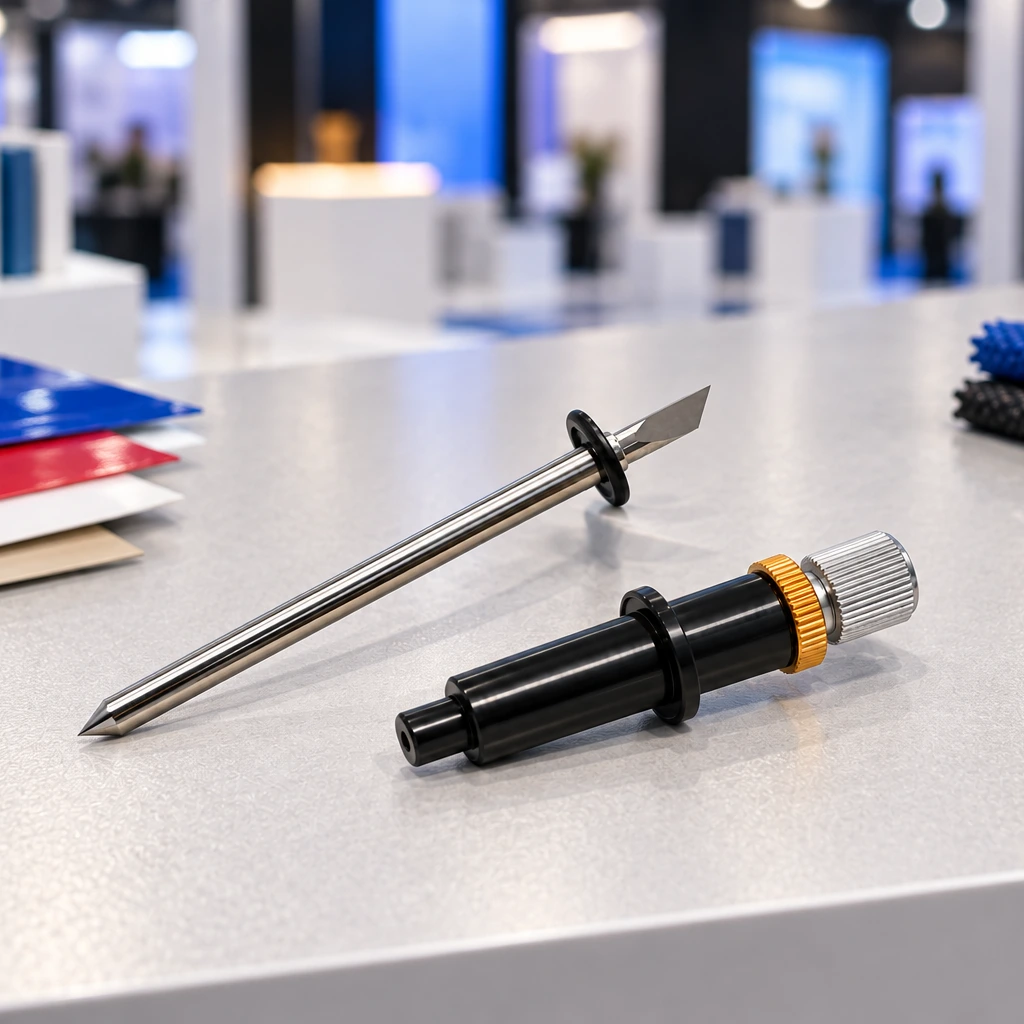
Inspect the assembly rather than blaming every cutting change on a worn tip. Relevant observations may include adhered waste, a damaged holder or an affected cutting surface. Check only accessible areas by the method specified for the equipment. Record the visible symptom and the time it first appeared. Do not attempt to bend, scrape or sharpen a damaged precision blade unless the manufacturer explicitly provides such a procedure.
2. Use the correct engraving knife maintenance method
Cleaning products, compressed air and lubrication requirements vary with the tool and holder design. Do not apply alcohol, oil or a general solvent simply because it was recommended for another assembly. Follow the named maintenance instructions, including any restrictions on disassembly and cleaning. Keep contamination away from the cutting edge and do not use a wire brush or improvised abrasive to restore a dull tip.
As a model-specific reference, Summa’s roll-cutter maintenance guidance includes inspection of the cutting strip, rollers and contamination around the holder for the cutter families it identifies. Consult the applicable manual for your actual machine. This illustrates that engraving knife maintenance belongs within a wider equipment check; it does not authorize copying a cleaning chemical or method to an unrelated holder.
3. Protect parts and identification during storage
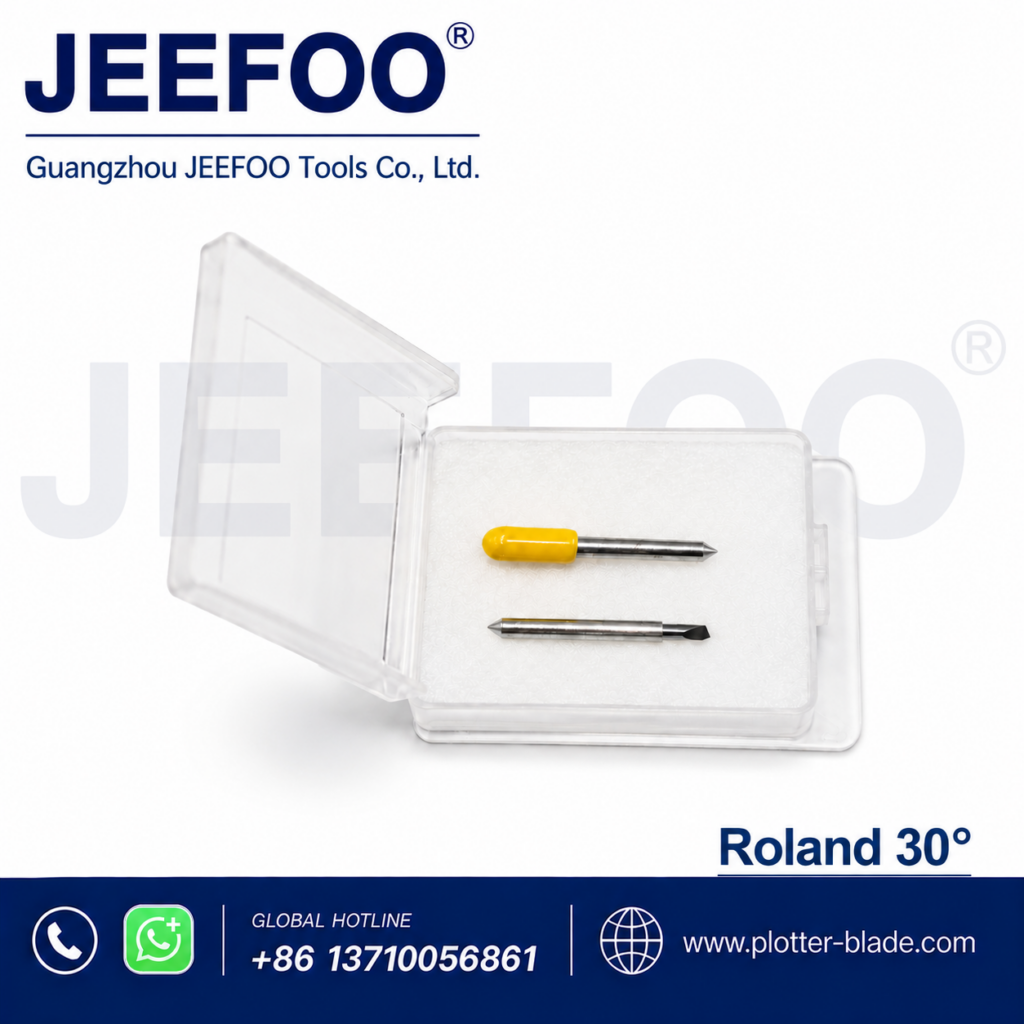
Store blades in protective packaging that prevents tip contact and separates them from other components. Keep the supplied reference and any useful batch information with the item. Distinguish unused stock, approved working components and parts awaiting assessment. Do not mix unidentified blades into a drawer of accepted replacements, even when their shape or cap colour looks familiar. Identification should remain available after the original package has been opened.
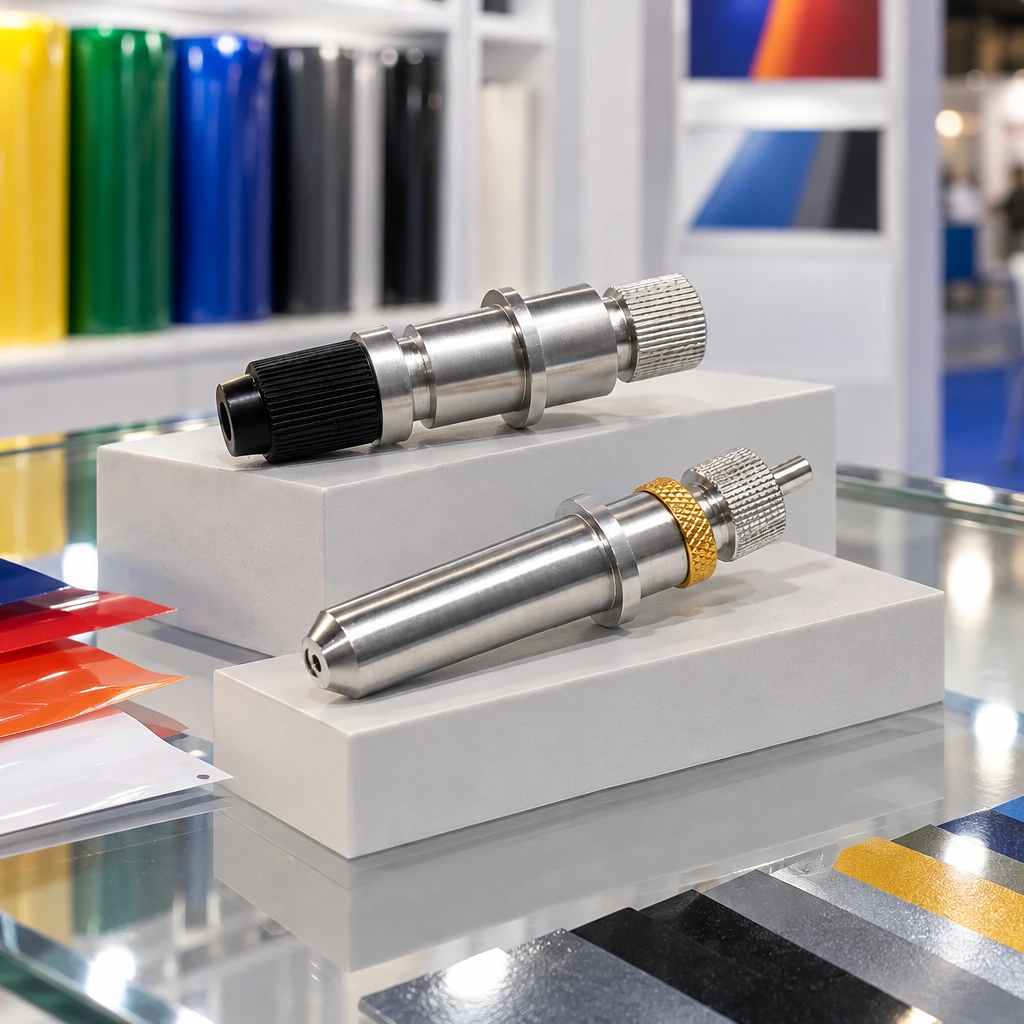
Store holders according to the specified conditions and keep their matching parts together. Use corrosion protection only where the documentation permits it. Before returning a stored component to service, check its identity and visible condition. Engraving knife maintenance records should make it clear whether a blade was cleaned, replaced or quarantined, rather than describing every action as “serviced” without a traceable result.
4. Verify engraving knife maintenance through a test cut
After correct installation and adjustment, test suitable scrap from the intended production material. Include the small corners, closed shapes and waste-removal requirements relevant to the job. Inspect the backing as well as the face material. A blade that looks clean does not automatically meet the production requirement, and a change in the material or artwork may call for a new trial even when the component is unchanged.
Keep the test result with the assembly reference, material, artwork version and conditions. If the cut remains unsatisfactory, investigate the documented symptom instead of repeatedly increasing force to conceal an unresolved problem. Where replacement is necessary, confirm the exact offered reference and holder requirements. The JEEFOO plotter blade catalogue provides enquiry families, while the holder catalogue supports identification of the corresponding assembly.
Engraving knife maintenance: common questions
How often should a blade be replaced?
Use the applicable inspection and performance criteria rather than a universal number of hours or sheets. Record the material and cutting result when deciding whether the component remains acceptable.
Can cleaning restore a chipped cutting tip?
Cleaning can remove permitted contamination; it does not repair missing or damaged cutting geometry. Follow the component instructions for replacement or further assessment.
Should I oil every blade holder?
No. Lubrication is specific to the design. Use only the products and locations permitted by the exact holder instructions, then verify the assembly before operation.
What makes engraving knife maintenance traceable?
Keep the tool identity, observed condition, action taken and accepted test result together. Label uncertain parts separately and pass the record to the next operator.