Engraving knife selection begins with four questions: what process will the machine perform, which tool interface is installed, what material and detail must be produced, and how will the sample be accepted? A blade for film cutting and a rotating CNC engraving cutter belong to different setups. This JEEFOO® guide helps buyers prepare a clear enquiry without turning an angle label into a universal performance promise.
1. Start engraving knife selection with the cutting process
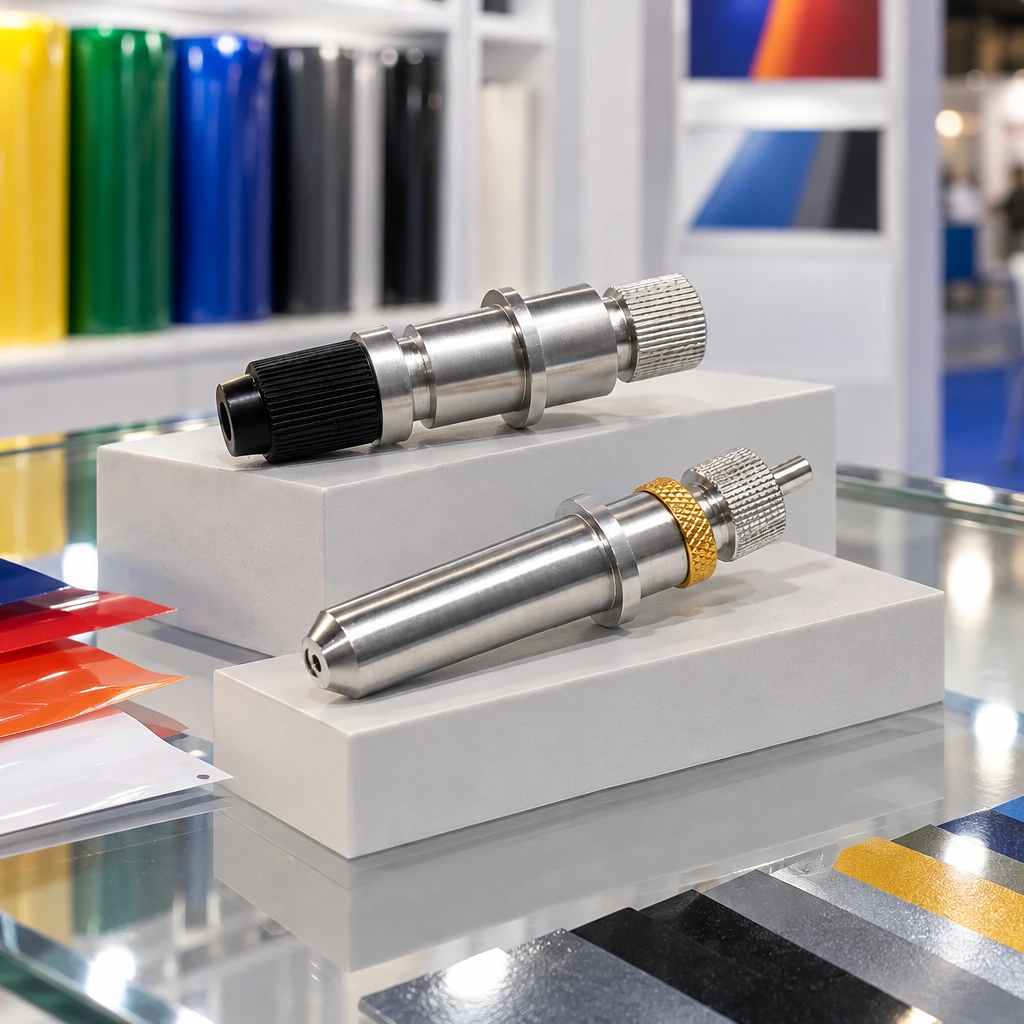
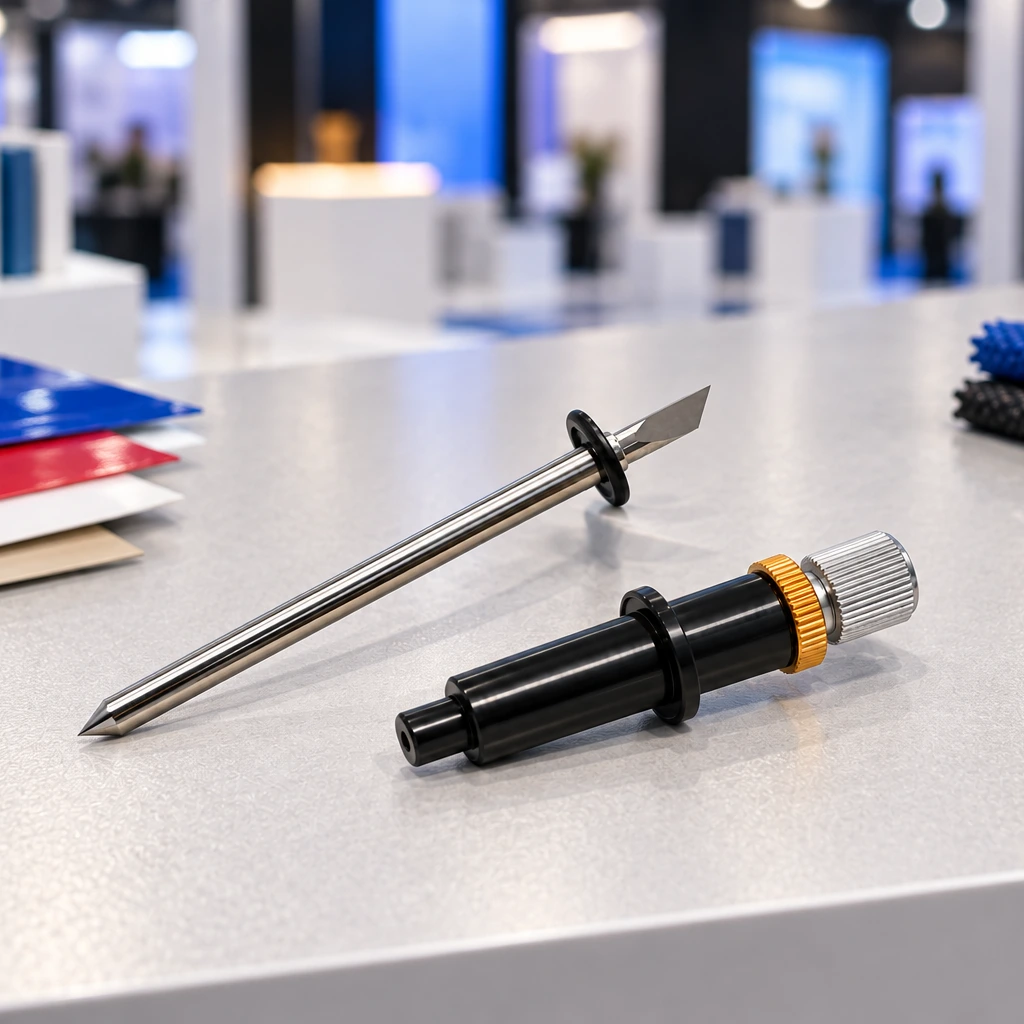
Identify whether the job cuts flexible film along a contour or removes material from a workpiece using a rotating CNC tool. Record the machine model and the tool assembly actually fitted. These details determine which product family can be considered. Do not install a plotter blade in a spindle or assume that a CNC cutter fits a plotter holder because both are described as engraving tools.
Write the required output in plain terms: a weedable label, readable lettering, a defined groove or a milled feature. State which operations are outside the request. This prevents a supplier from recommending a tool based on the material name alone. If the machine documentation or installed holder reference is unavailable, resolve that identification gap before approving a replacement. A photograph can help identify a candidate but cannot verify every required dimension.
2. Confirm the interface before comparing angle labels
For plotter work, compare the exact blade reference and matching holder requirements. For a CNC enquiry, supply the relevant shank, tool geometry and holder information required by the equipment documentation. Engraving knife selection should not rely on a cap colour, a familiar brand name or a generic “universal” description. Ask the supplier to explain any difference between the offered reference and the component already approved in the workshop.
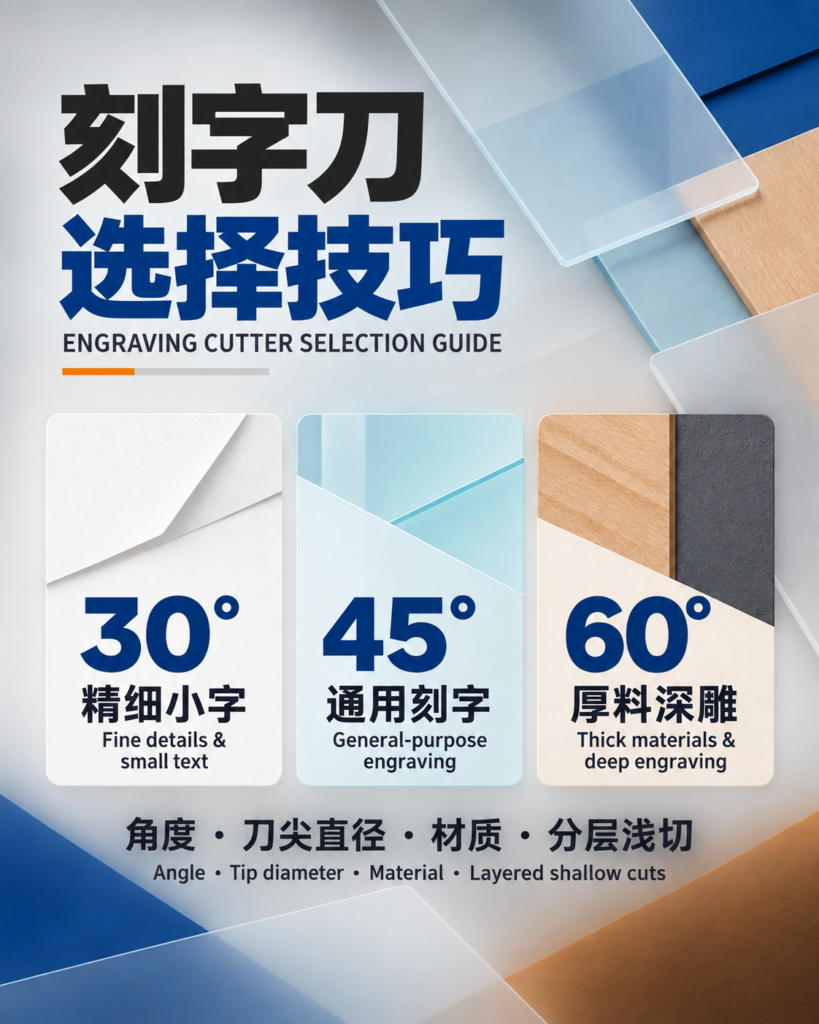
Angle and tip descriptions need context. Confirm what angle is being stated and how the cutting tip is defined. Do not turn 30°, 45° or 60° into an unconditional rule for small characters, thick film or tool life. For rotating engraving tools, Harvey Performance’s CNC engraving guide discusses the importance of tip form, angle and material-related coating choice. Its recommendations concern CNC engraving and must not be transferred directly to film-cutting blades.
3. Describe material and detail for engraving knife selection
Give the actual material reference and construction, including backing, adhesive or laminate where relevant. For board or metal work, identify the stock and the feature to be produced rather than using a broad category such as “hard material.” State the smallest text or line, intended depth or cutting result, and the acceptance requirement. The complete job description is more informative than an isolated request for the finest possible tip.
Confirm the offered tool’s documented application and material specification. Avoid assuming that carbide, diamond-related descriptions or a coating automatically cover every workpiece. Keep performance expectations measurable through the intended job. If a claim concerns longer life or better finish, ask what comparison conditions support it. Engraving knife selection is easier to review when identification, application guidance and trial evidence are recorded separately.
4. Approve engraving knife selection with a representative trial
Use the applicable installation and operating instructions, then test a suitable sample of the planned production material. Include the details most likely to fail in the real artwork. For film cutting, inspect contour separation, retained details, backing and waste removal. For CNC work, evaluate the feature against the drawing and the appropriate machining procedure. A result described only as “sharp” or “smooth” is too vague for repeat purchasing.
Record the assembly reference, material, design version, permitted conditions and accepted result. Keep rejected samples distinct and explain why they failed without guessing the cause. When the material, holder or intended feature changes, review the earlier approval. A successful test is evidence for that combination; it is not a guarantee for every product within the same family.
Engraving knife selection: common questions
Should I always buy the smallest tip?
No. Specify the required detail and choose a documented candidate for the process. A smaller label or finer-looking point alone does not prove a better production result.
Where can I start a plotter-blade enquiry?
Use the JEEFOO plotter blade catalogue to identify a family, then provide machine, holder and material details. Request confirmation of the exact supplied part before approval.
What makes a repeat order traceable?
Retain the accepted blade reference, packaging information and sample record. Confirm any proposed substitution before purchase through the JEEFOO contact page.