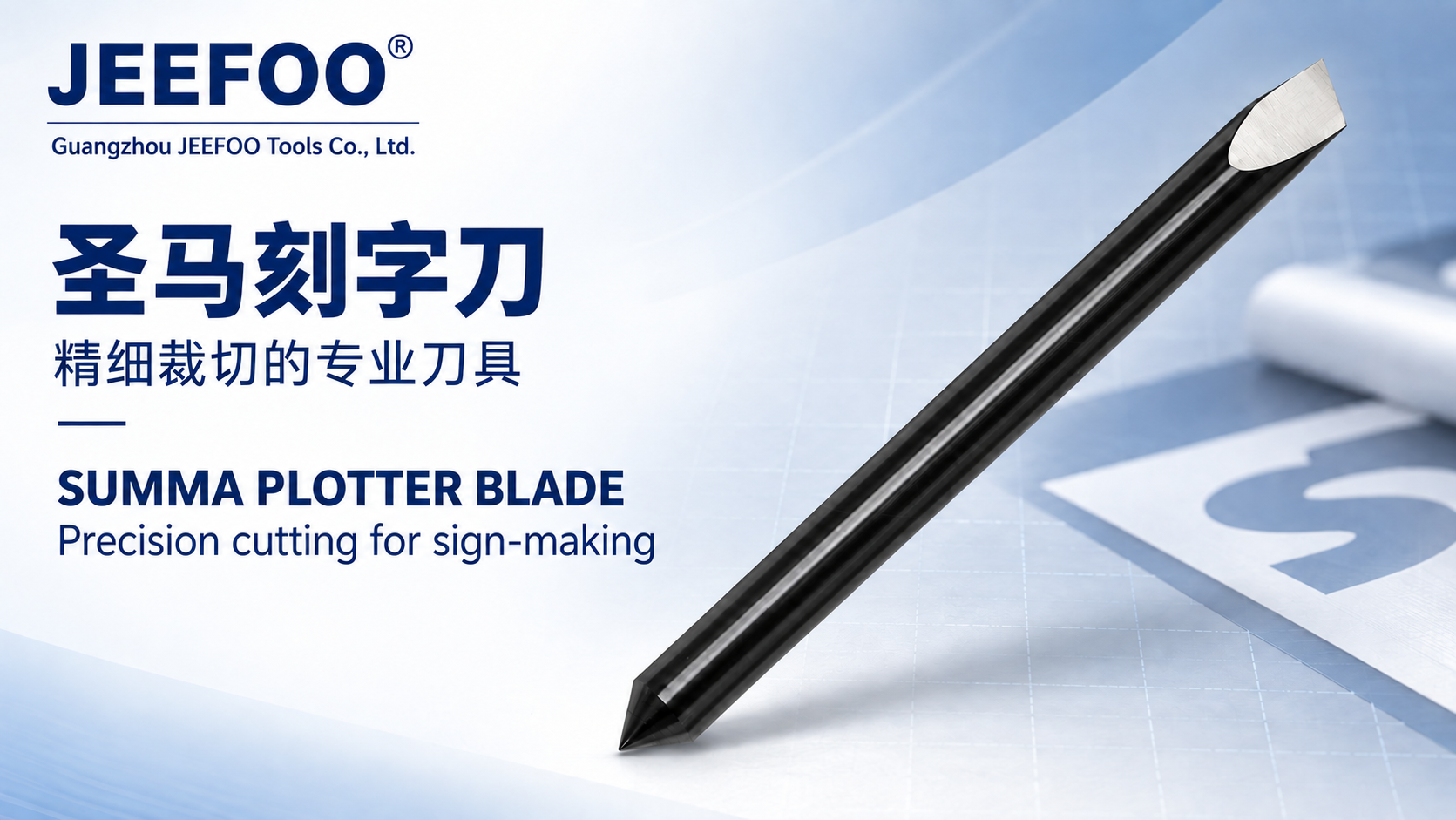
An aluminum base plate gong knife is a carbide CNC milling cutter designed for routing aluminum composite panels, thin aluminum plate, and similar sheet materials. Its geometry balances edge sharpness, bending strength, chip evacuation, and wear resistance to produce clean grooves, holes, and board edges.
Table of Contents

1. What is an aluminum base plate gong knife?
The term commonly describes a router bit or end mill used to machine aluminum-based sign and panel products. Fine-grain cemented carbide provides rigidity and wear resistance, while a polished flute and sharp edge help move chips away before they are recut or welded to the tool.
2. Seven key features
- Fine-grain carbide for wear resistance.
- Good bending strength for stable cutting.
- Sharp edges for clean, low-burr surfaces.
- Efficient flutes for aluminum chip evacuation.
- Precision grinding for low runout.
- Geometry suitable for grooves, holes, and board edges.
- Reliable performance at appropriate speed and feed.
3. Materials and applications
| Workpiece | Typical job | Main control |
|---|---|---|
| Aluminum composite panel | Grooving and folding preparation | Depth consistency |
| Thin aluminum sheet | Profiles and holes | Workholding and chip control |
| Sign board | Lettering and edge routing | Clean finish and burr reduction |
| Non-ferrous panel | Slots and pockets | Tool compatibility |
4. How to select the right cutter
Match cutter diameter to the smallest feature and select only the cutting length required. Minimize overhang for rigidity. Verify shank size, flute count, coating, cutting direction, and whether the manufacturer approves the exact aluminum product. A single flute may favor chip space, while multiple flutes may improve finish when evacuation remains effective.
5. Speed, feed, and chip load
Start with the tool maker’s recommendations. Feed rate depends on spindle speed, flute count, and target chip load. Healthy chips carry heat away; fine dust, discoloration, built-up edge, or squealing can signal rubbing or recutting. Use suitable air blast or lubrication when the machine and material permit it.
6. Setup checklist
- Inspect the cutting edge and clean the collet and shank.
- Clamp the panel flat and support thin sections.
- Minimize runout and tool overhang.
- Verify toolpath, entry move, and cutting depth.
- Provide effective chip evacuation.
- Make a test cut and inspect burrs and chip shape.
- Use guarding, eye protection, and hearing protection.
7. Troubleshooting
When using an aluminum base plate gong knife, burrs may indicate a dull edge, poor support, or unsuitable cutting direction. Aluminum welded to the flute often points to heat, rubbing, or weak evacuation. Chatter can come from excess overhang, runout, loose workholding, or an unstable depth of cut. Adjust one variable at a time during testing.
For a related single-flute option, see our single flute straight edge tool guide. Operators should also follow recognized machine guarding guidance.
Frequently asked questions
Why is fine-grain carbide useful?
It combines hardness, edge retention, and bending strength for accurate machining and longer service life.
How can burrs be reduced?
Use a sharp tool, rigid support, low runout, correct feed and speed, effective chip removal, and a suitable finishing direction.
What shortens tool life?
Rubbing, built-up edge, chip recutting, excessive overhang, runout, poor clamping, and parameters outside the manufacturer’s range can accelerate wear.
Summary
Selecting an aluminum base plate gong knife correctly delivers clean panel machining when carbide quality, geometry, chip load, workholding, and evacuation match the application. Careful setup improves efficiency, finish, and tool life.