Seven Carving Knife Usage Techniques
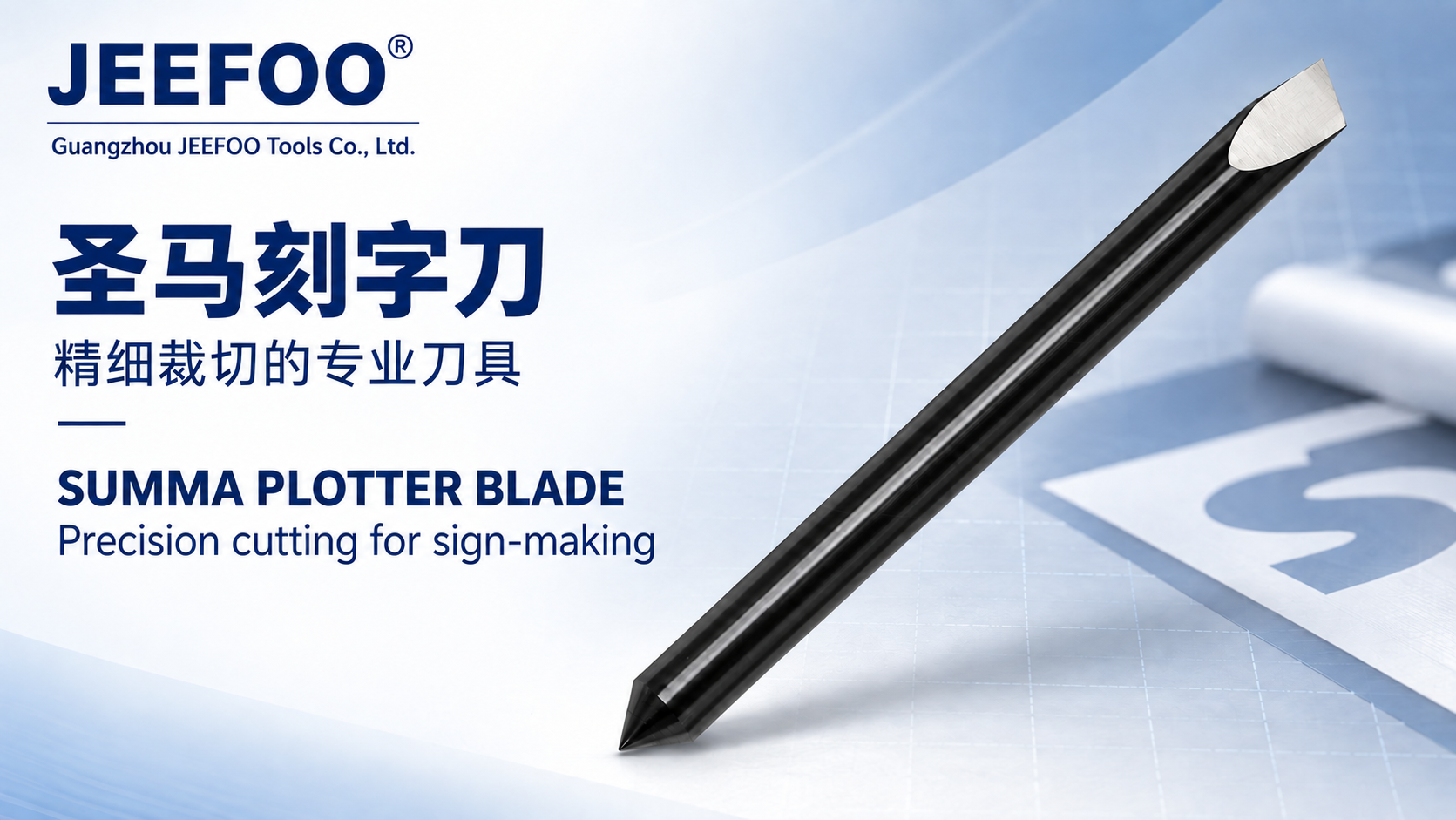
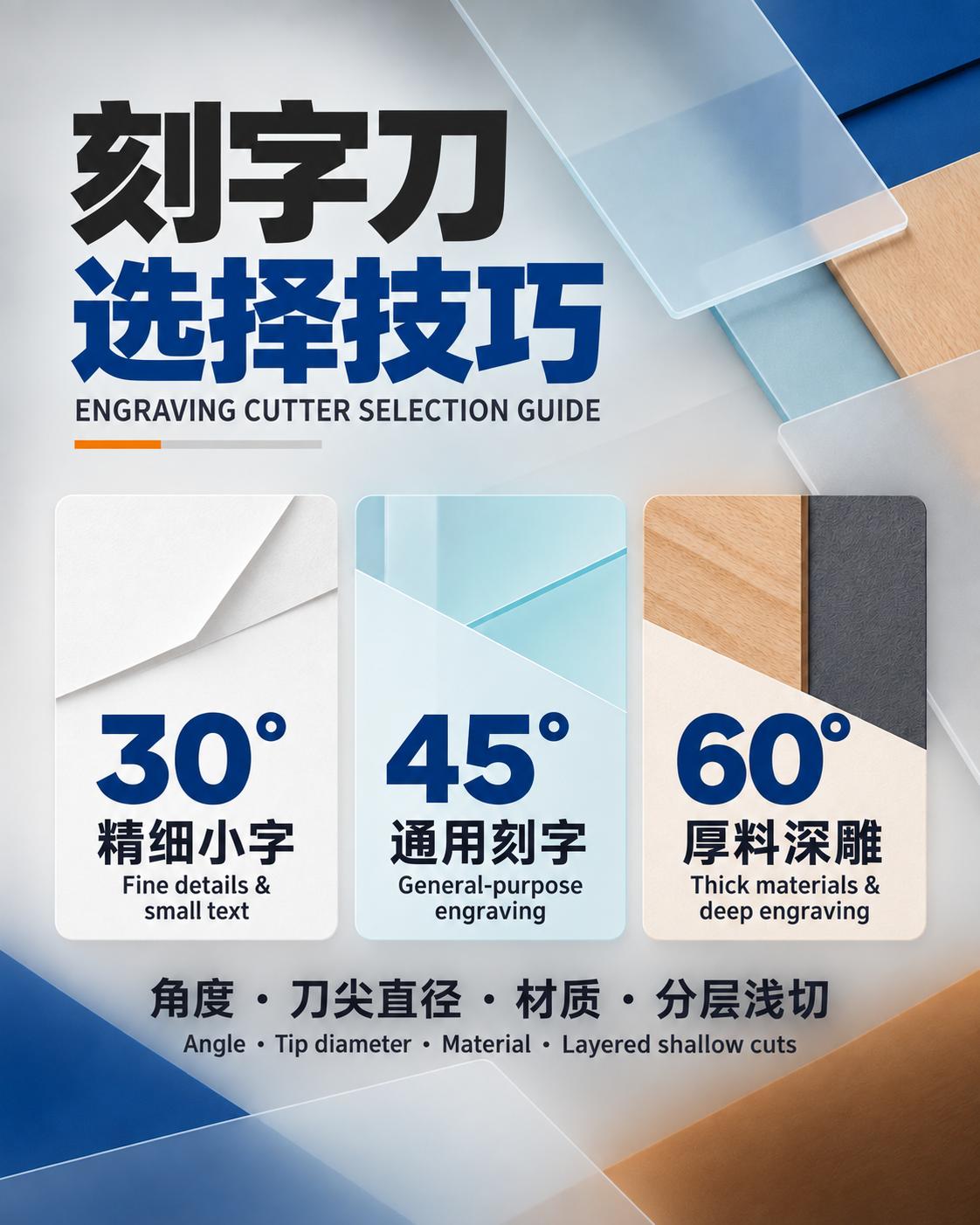
A carving knife can produce lettering, outlines, V-grooves, relief details, decorative channels, and fine surface patterns. Tip angle, cutting diameter, flute design, carbide grade, and coating determine the line width, depth capability, chip flow, and suitable material. Select the geometry according to the design detail, workpiece hardness, machine rigidity, and required finish.
Clamp the cutter with minimal overhang in a clean tool holder and verify low runout before machining. Use suitable spindle speed and feed, shallow progressive passes, and effective chip removal to prevent burning, melting, fuzzing, or broken tips. Secure thin sheets to a flat spoilboard and test unfamiliar materials before the final job. Reduce engagement around tight corners, avoid sudden plunges beyond the cutter specification, and keep the edge clean. Inspect the tip for wear after every task and follow sound engraving practices to improve line accuracy, surface quality, and tool life.