CNC Cutting Tools Selection Guide: CNC cutting tools are precision tools that remove material under computer numerical control; the right choice depends on workpiece material, operation, geometry, machine capability, and finish target. This CNC Cutting Tools Selection Guide gives a practical framework for choosing, setting up, and maintaining common tools.

CNC Cutting Tools Selection Guide: Quick Answer
For most general CNC routing and milling, select a tool whose material and coating match the workpiece, whose diameter and reach suit the feature, and whose flute count supports chip evacuation. Validate spindle speed, feed per tooth, runout, rigidity, and tool holding before production.
Main CNC Cutting Tool Types
- Flat end mills: profiling, slots, pockets, and square-bottom features.
- Ball nose end mills: 3D contours, molds, and smooth curved surfaces.
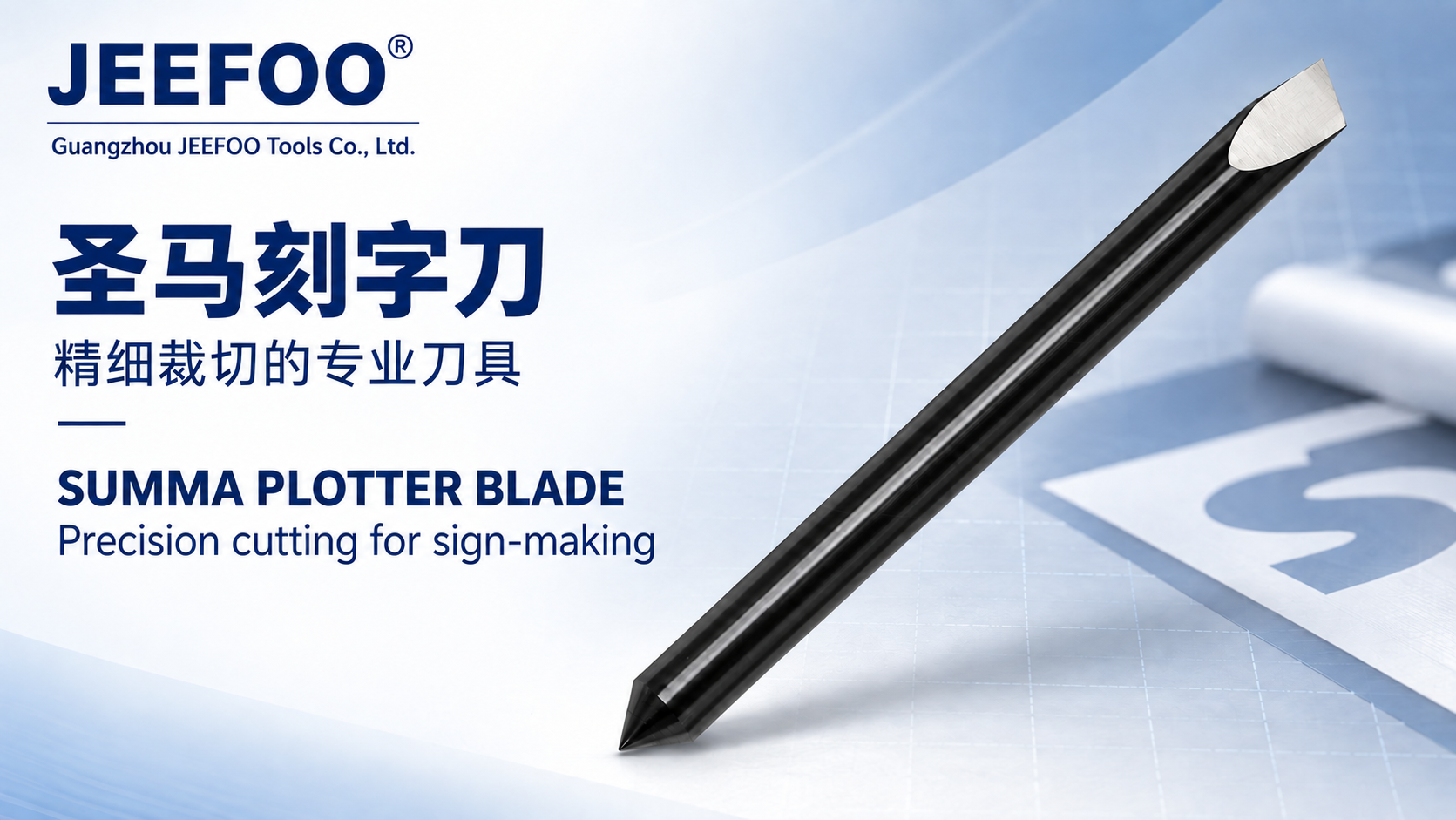
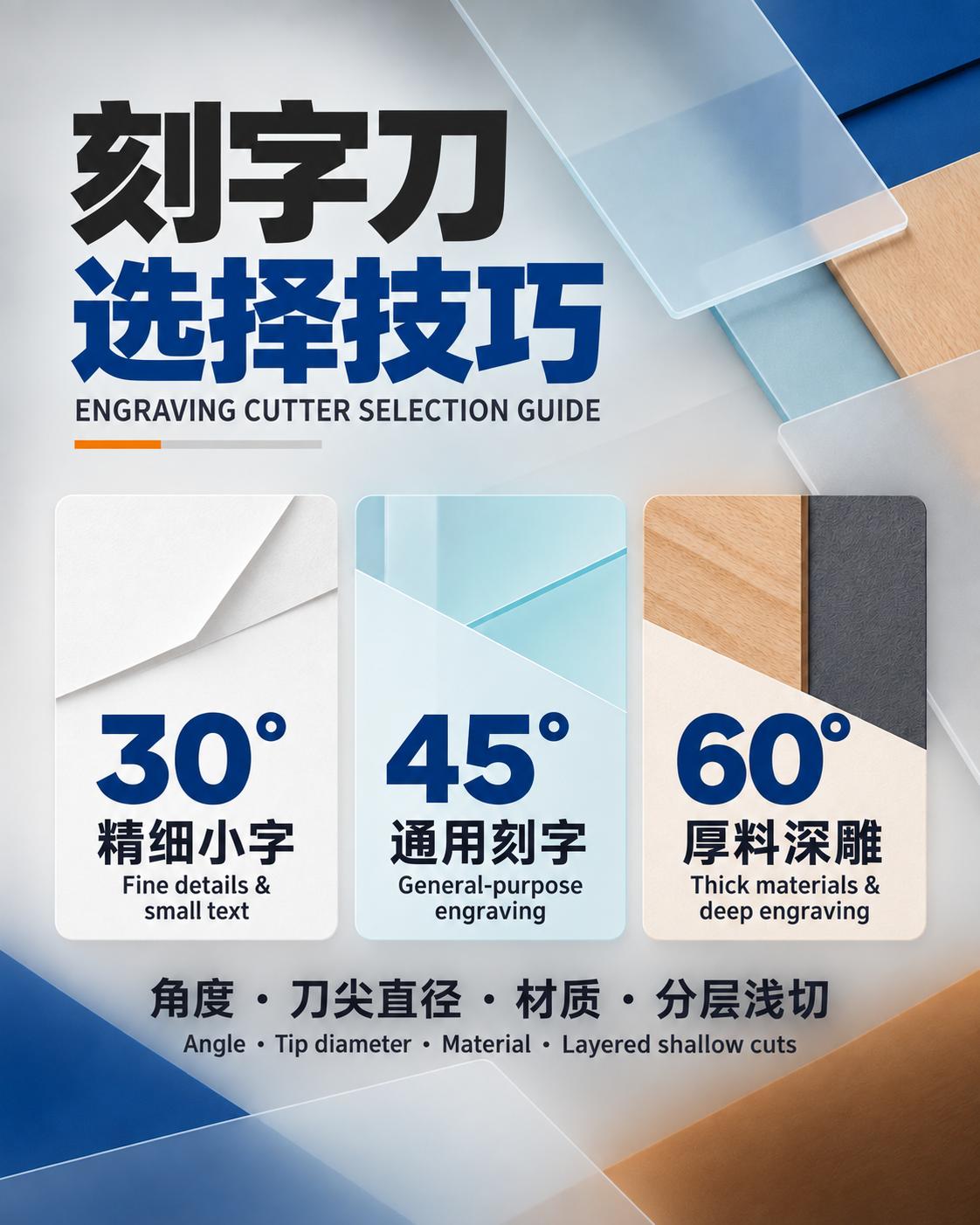
- V-bits and engraving cutters: lettering, chamfers, fine lines, and decorative work.
- Compression and spiral router bits: plywood, composites, acrylic, and wood panels.
- Drills and reamers: producing and finishing accurate holes.
- Face mills: efficient machining of broad flat surfaces.
- Thread mills: internal or external threads with CNC interpolation.
Choose Tool Material and Coating
High-speed steel offers toughness and economy at moderate speed. Solid carbide provides high rigidity, wear resistance, and productivity. PCD suits abrasive nonferrous metals and composites, while CBN is used for hardened ferrous materials. TiAlN-family coatings support heat resistance in many metal-cutting applications; polished or uncoated geometries can reduce built-up edge in aluminum and plastics.
Match Geometry to the Workpiece
- Aluminum: sharp polished edges, generous flute space, and reliable chip evacuation.
- Steel: rigid carbide tools, suitable coating, conservative engagement, and stable coolant strategy.
- Wood and panels: upcut, downcut, or compression geometry based on edge-quality needs.
- Acrylic and plastics: polished flutes, low runout, and settings that avoid rubbing or melting.
- Composites: abrasion-resistant carbide or PCD with geometry designed to limit delamination.
Feeds, Speeds, and Tool Holding
Start with the tool maker’s recommended cutting speed and chip load, then adjust for machine power, rigidity, radial engagement, axial depth, and coolant. Calculate feed from spindle speed × flute count × chip load. Minimize stick-out, use clean collets or holders, and measure runout because poor concentricity overloads one cutting edge.
Setup Checklist
- Confirm tool diameter, flute length, shank, reach, and holder compatibility.
- Verify workholding, clearance, toolpath direction, and safe retract height.
- Check tool condition, collet cleanliness, runout, and balanced clamping.
- Perform a dry run or simulation and monitor the first cut.
- Record successful parameters for repeatability and tool-life comparison.
Tool Life, Maintenance, and Safety
Inspect edges for chipping, wear land, coating loss, burning, burrs, vibration, or dimensional drift. Replace tools before failure damages the workpiece or spindle. Keep holders clean and dry, store tools separately, and use machine guarding, eye protection, and approved chip-control procedures. Never touch or measure a rotating tool.
Trusted References and Support
Review the general principles in cutting tool machining, then use tool-maker data for final parameters. For application-specific CNC cutters and support, visit JeeFoo Tools.
Frequently Asked Questions
What is the best general-purpose CNC cutting tool?
A solid-carbide flat end mill is a common general choice, but the correct geometry, coating, flute count, and diameter depend on the material and operation.
How do I reduce CNC tool breakage?
Reduce runout and stick-out, improve workholding, ensure chip evacuation, avoid excessive engagement, and use a chip load that prevents both overload and rubbing.
When should a CNC cutting tool be replaced?
Replace it when wear, chipping, noise, heat, burrs, poor finish, dimensional drift, or rising spindle load indicates the edge is no longer cutting consistently.