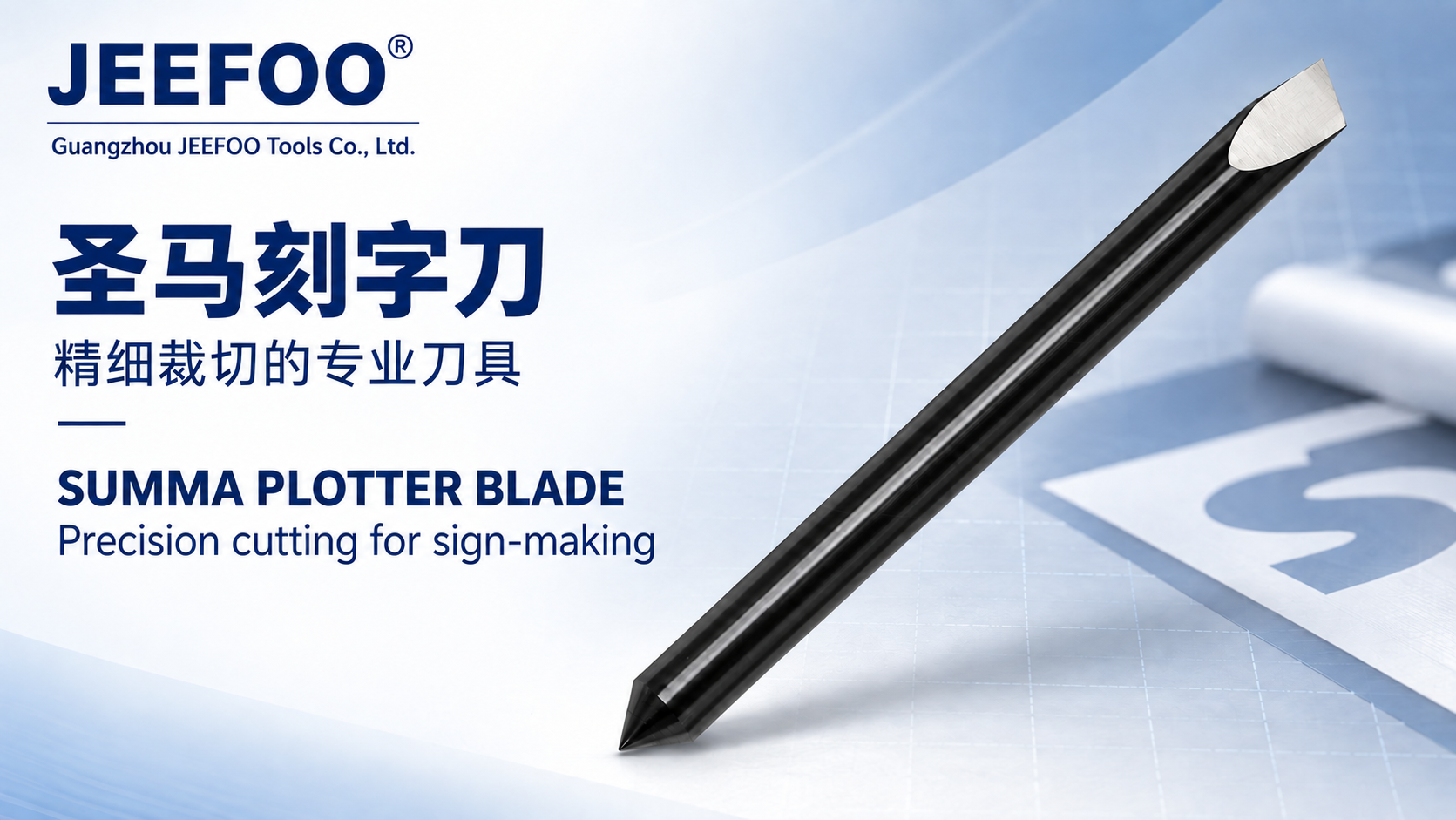
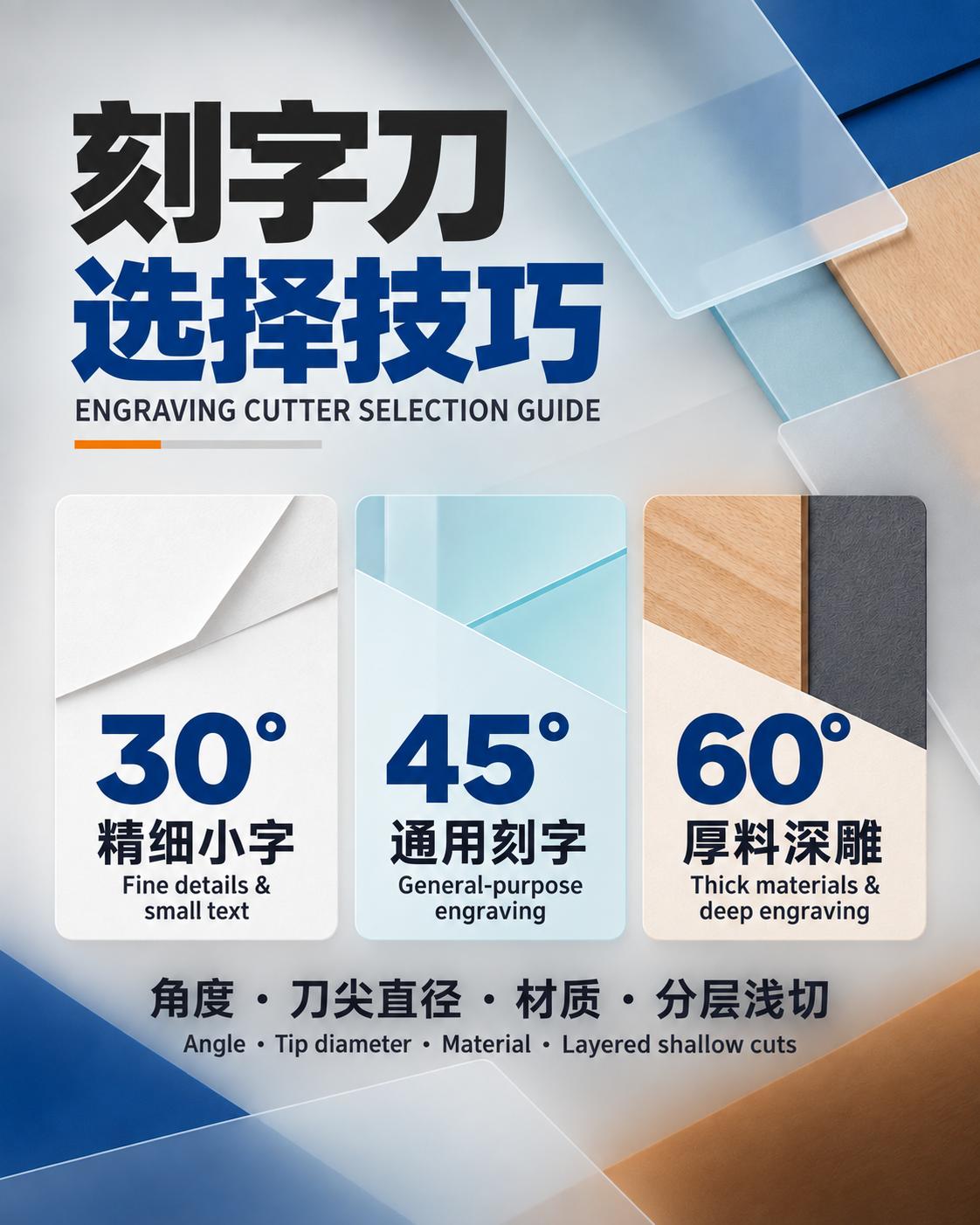
Cutting Tool Selection Principles
Cutting Tool Selection Principles match the cutter to the workpiece, operation, machine, required accuracy, finish, and production target. The best tool is not simply the hardest; it must balance wear resistance, toughness, geometry, chip control, cost, and process stability.
Table of Contents
Seven Core Principles
- Match tool material and coating to workpiece chemistry and hardness.
- Select geometry for roughing, finishing, slotting, drilling, or engraving.
- Use the shortest rigid tool and holder that safely reaches the feature.
- Confirm spindle power, speed range, coolant, and machine stability.
- Set chip load, feed, and depth to control heat and tool deflection.
- Plan chip evacuation so chips do not recut or jam.
- Compare total cost per part, not only purchase price.
Validate the choice with a controlled test cut and inspect finish, dimensions, spindle load, chips, and edge wear. A professional cutting tool manufacturer can recommend grade and geometry; review general cutting tool fundamentals before production.
Cutting Tool Selection FAQ
What factor should be considered first? Begin with the workpiece and operation because they determine the required tool material, geometry, coating, and chip-control strategy.
Why is the shortest tool preferred? Short projection increases rigidity, reduces deflection and chatter, and usually improves finish and tool life.