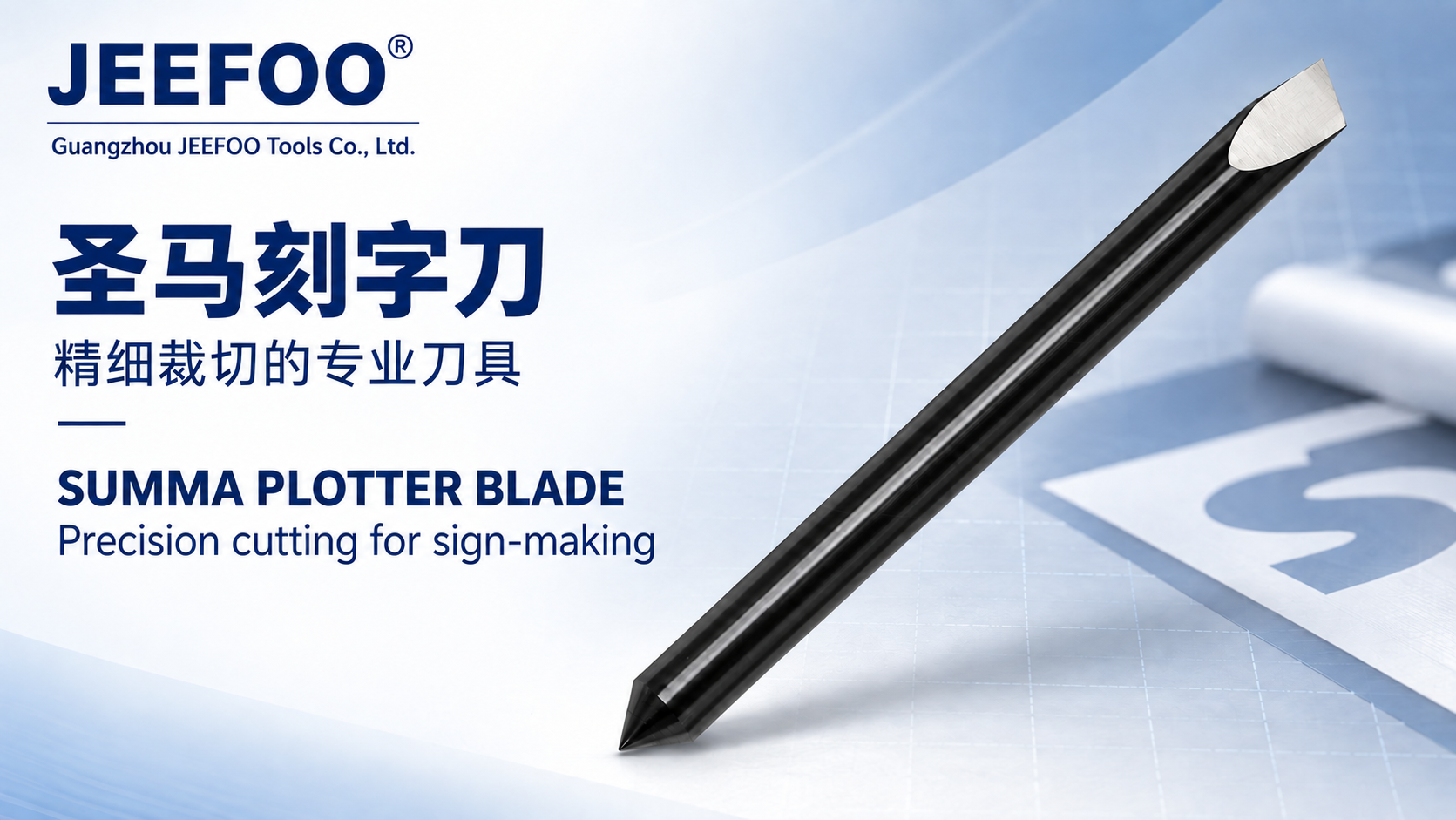
A diamond combined milling cutter is a multi-purpose KC-type tool designed to machine acrylic, PC, PMMA, density board, aluminium, copper, hardwood, marble, granite, jade and bluestone with a clean finish and long service life. It combines durable diamond cutting edges with a geometry suited to stable routing, profiling and edge-finishing work.
What Is a Diamond Combined Milling Cutter?
A diamond combined milling cutter uses an engineered diamond cutting edge on a rigid tool body. Compared with conventional carbide tooling, the diamond edge retains sharpness for longer when cutting abrasive plastics, composite boards, non-ferrous metals and selected stone materials. The KC-type design is intended for applications where finish quality, repeatability and tool life matter.

Materials and Applications
| Material | Typical operation | Primary benefit |
|---|---|---|
| Acrylic, PC and PMMA | Edge finishing, profiling and slotting | Clear, smooth edges with less secondary polishing |
| Density board and hardwood | Routing, trimming and contouring | Consistent edges and long production runs |
| Aluminium and copper | Light profiling and finishing | Controlled cutting with a refined surface |
| Marble, granite and bluestone | Detailing and finishing | Wear resistance on abrasive materials |
| Jade and decorative stone | Fine shaping and engraving support | Precision and edge retention |
Key Benefits of the Diamond Combined Milling Cutter
- High surface finish: a sharp diamond edge reduces tearing, chipping and visible tool marks.
- Long service life: diamond resists abrasive wear during extended production.
- Broad material coverage: one tool family can support plastics, boards, non-ferrous metals and stone.
- Stable repeatability: consistent edge geometry helps maintain dimensions across batches.
- Lower finishing time: cleaner cuts can reduce sanding, polishing and rework.
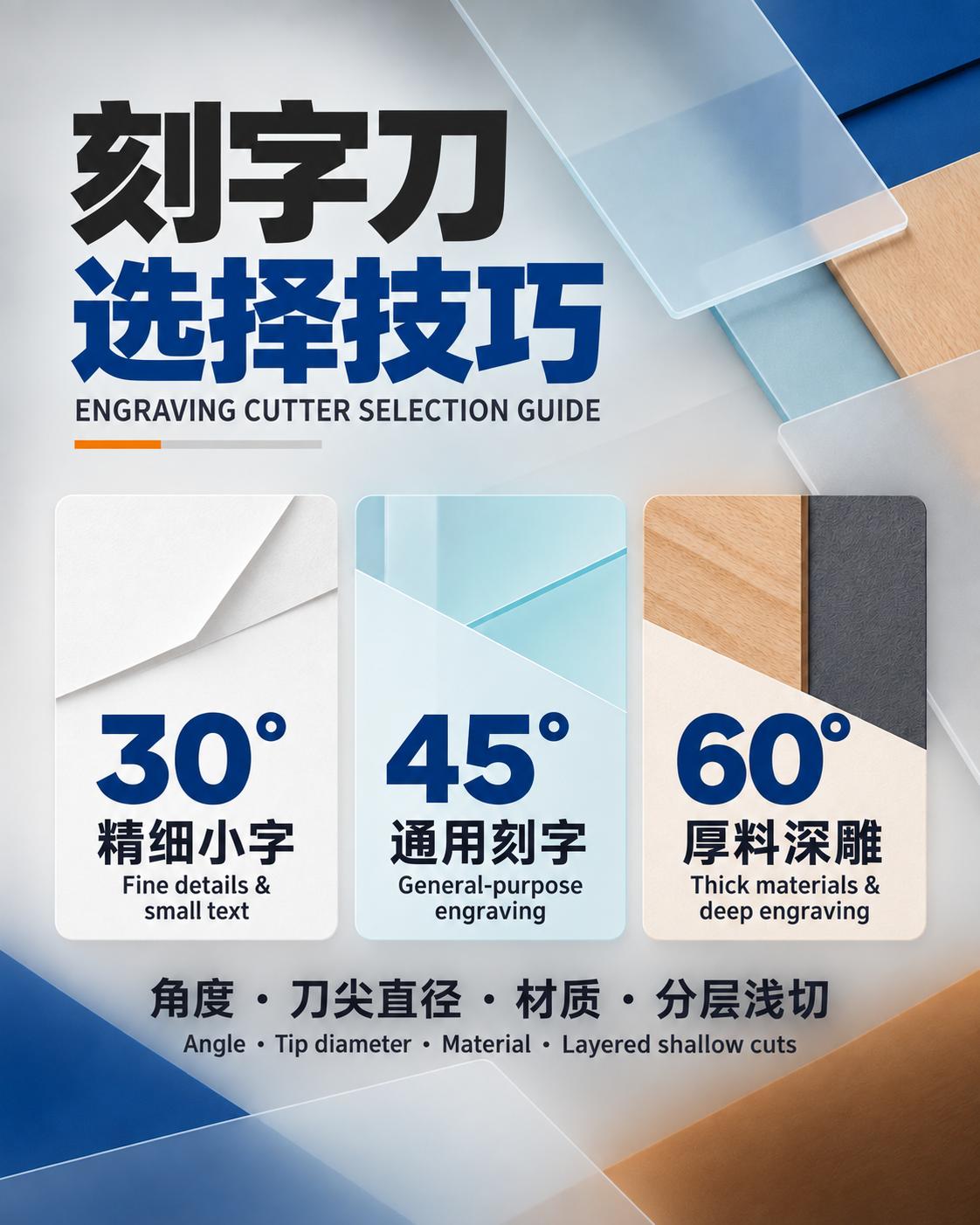
How to Select the Right Cutter
Match the cutter diameter, shank size, cutting length and geometry to the machine spindle and the required profile. Confirm that the tool is suitable for the exact workpiece material. Acrylic and aluminium require effective chip evacuation, while stone applications demand a rigid setup and an appropriate cooling or dust-control method.
Selection checklist
- Identify the workpiece material and its hardness or abrasiveness.
- Confirm spindle collet size and maximum permitted tool diameter.
- Choose a cutting length that clears the workpiece without excessive overhang.
- Select a feed rate and spindle speed recommended for the tool and material.
- Verify cooling, lubrication, extraction and machine guarding requirements.
Operating Tips for Better Results
Use a rigid tool holder, minimise runout and keep the workpiece securely clamped. Begin with conservative cutting parameters, then optimise feed and speed while monitoring edge quality, spindle load and temperature. Avoid excessive tool projection because it increases vibration. Remove chips continuously, and never use a damaged cutter. Follow the machine manufacturer’s instructions and applicable OSHA machine-guarding guidance.
Why Finish Quality Depends on the Setup
The diamond combined milling cutter can deliver a high finish only when the entire cutting system is stable. Tool runout, worn collets, weak fixturing or incorrect feed can cause chatter and chipped edges. A balanced combination of tool geometry, machine rigidity, chip control and cutting parameters produces the best result and protects the cutting edge.
Frequently Asked Questions
What materials can a diamond combined milling cutter machine?
The KC-type cutter is suitable for acrylic, PC, PMMA, density board, aluminium, copper, hardwood, natural marble, granite, jade and bluestone, subject to the correct machine and cutting parameters.
Why does a diamond cutter last longer?
Diamond has exceptional hardness and abrasion resistance, so the cutting edge generally remains sharp longer than a conventional edge when used correctly.
Can it cut both plastics and non-ferrous metals?
Yes, but the tool specification, spindle speed, feed, cooling and chip evacuation must be matched to each material. One parameter set should not be assumed to work for every substrate.
For application-specific sizing and cutter recommendations, review our precision cutting tool solutions or contact the JEEFOO team with your material, machine and required profile.