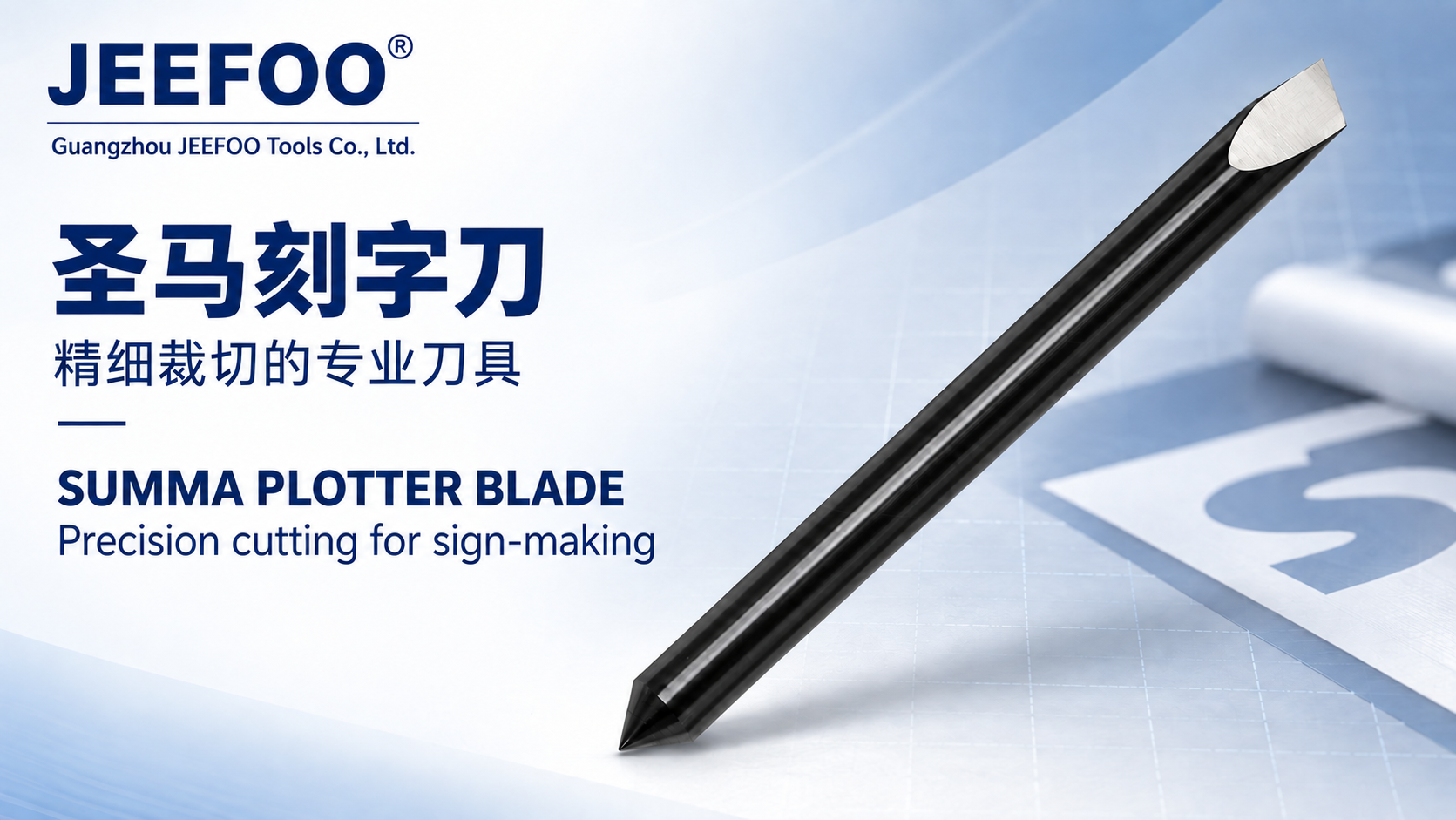
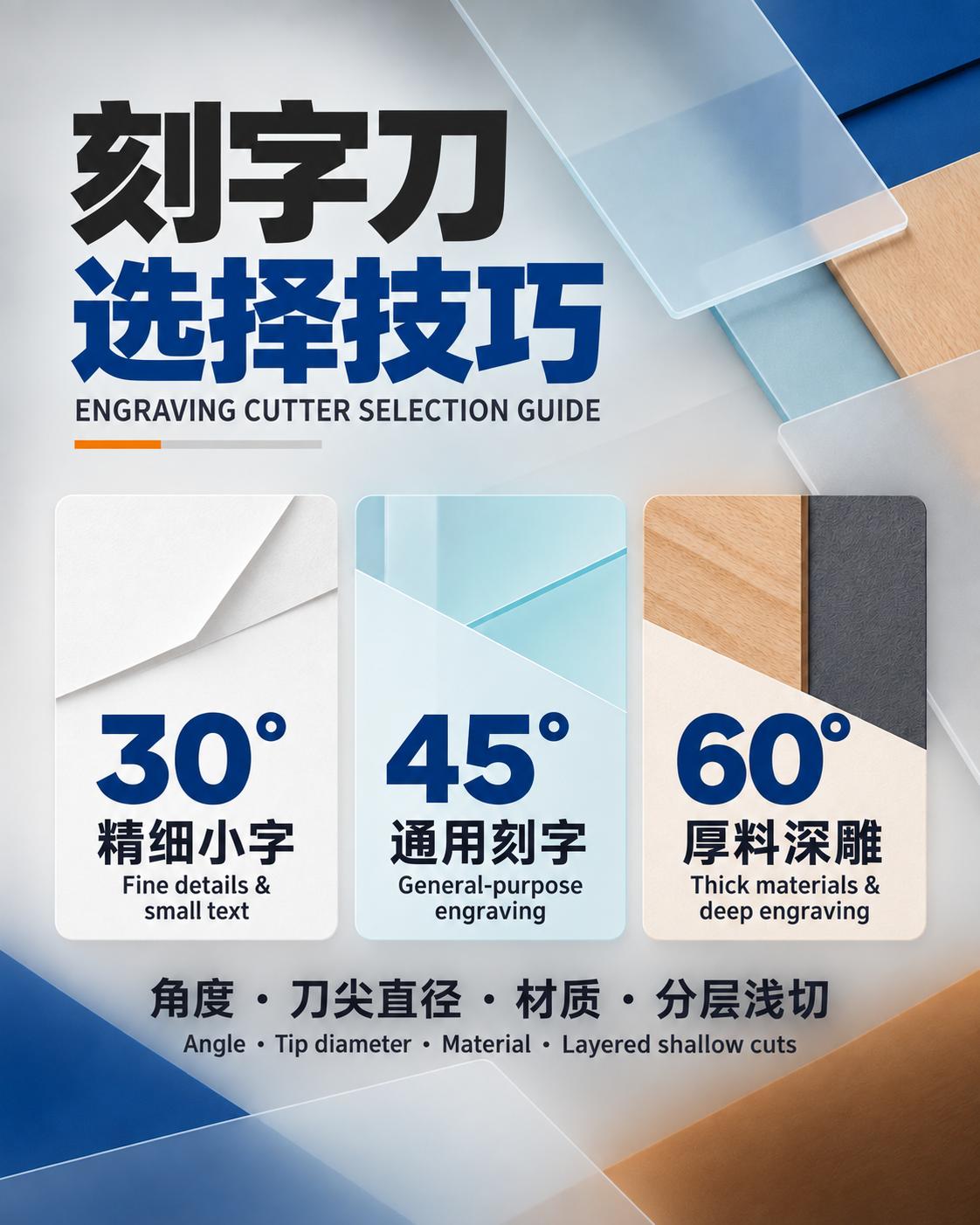
Double Taper Ball Nose Cutter Guide: a double-taper ball nose cutter is a precision rotary tool with a rounded cutting tip and tapered geometry on both sides of its profile. It is designed for controlled 3D contouring, relief carving, deep-detail work, and smooth finishing where reach, rigidity, and a small contact point must be balanced.

Double Taper Ball Nose Cutter Guide: Quick Answer
Choose this cutter when a standard straight ball nose tool cannot reach a narrow or deep feature without excessive rubbing. The tapered body improves stiffness, while the ball tip produces smooth transitions on curved surfaces. Match the tip radius, taper angle, cutting length, shank diameter, flute count, and tool material to the machine, workpiece, and required finish.
What Is a Double Taper Ball Nose Cutter?
The tool combines a spherical end with converging tapered flanks. Its ball nose makes point contact that follows complex surfaces, while the tapered section supports the cutting edge and provides clearance in angled walls or recessed areas. Depending on the manufacturer, similar products may be called tapered ball nose end mills, double-taper ball cutters, or tapered relief carving bits.
Best Applications
- 3D wood, resin, plastic, foam, and non-ferrous metal carving.
- Relief signs, molds, models, statues, and decorative panels.
- Finishing curved pockets, fillets, channels, and narrow valleys.
- Detail machining where a long straight tool would deflect.
- Semi-finishing and finishing after a larger roughing cutter.
Key Dimensions to Compare
- Tip diameter or radius: controls the smallest detail and effective scallop height.
- Taper angle: determines wall clearance, support, and feature accessibility.
- Cutting length: must reach the deepest feature without unnecessary overhang.
- Shank diameter: must fit the collet exactly and remain rigid at speed.
- Overall length: must clear fixtures while preserving safe tool engagement.
- Flute count: affects chip space, feed per tooth, and surface finish.
Material and Coating Selection
Solid carbide is the usual choice for stiffness, wear resistance, and edge retention. Uncoated polished carbide often suits wood, acrylic, and aluminum because it reduces chip adhesion. Coated tools may improve life in abrasive composites or selected metals, but the coating must match the workpiece. Never assume one coating is universal; follow the cutter maker’s application chart.
Speed, Feed, and Step-Over
Start with the tool supplier’s recommended surface speed and chip load, then calculate spindle speed and feed for the actual diameter and flute count. Use a conservative axial depth for delicate tips. A smaller finishing step-over reduces scallops but increases machining time. Listen for chatter, inspect chips, and check the surface after the first short toolpath before committing to a long operation.
Setup Checklist
- Confirm the cutter is compatible with the material and spindle range.
- Clean the shank, collet, nut, and spindle taper.
- Insert enough shank for secure clamping without gripping the flutes.
- Minimize stick-out while maintaining fixture clearance.
- Measure runout and replace damaged collets.
- Verify tool length, work offset, rotation direction, and toolpath simulation.
- Use dust extraction, chip evacuation, guarding, and appropriate PPE.
- Run a small test cut and inspect the result before production.
Common Problems and Corrections
Chatter usually points to excessive overhang, weak workholding, an aggressive cut, or incorrect speed. Burning can indicate rubbing, a dull edge, poor chip evacuation, or feed that is too low. Fuzzy wood fibers may improve with a sharper cutter, climb finishing pass, or better grain-aware toolpath. Visible scallops require a smaller step-over or a more suitable tip radius. Broken tips commonly result from plunging too aggressively, collisions, excessive runout, or unsuitable material settings.
Maintenance and Replacement
Remove resin and chips with a cutter-safe cleaner, then dry the tool completely. Store it in a labeled protective holder so the ball tip cannot strike another tool. Replace the cutter when the edge is chipped, the finish remains poor after settings are corrected, cutting force rises, or the shank shows damage. Do not attempt unapproved hand grinding because it can alter geometry and balance.
Authoritative Selection Resources
For tool geometry and operating limits, use the specific manufacturer’s technical data and recognized machine-tool safety guidance. The OSHA machine guarding resource provides general safety context. For related cutting-tool options and application support, visit JeeFoo Tools.
Frequently Asked Questions
Is a double taper ball nose cutter only for finishing?
No. It is most commonly used for semi-finishing and finishing, but a robust tool can perform light roughing when the manufacturer permits it. A larger flat or radiused cutter is usually more efficient for bulk material removal.
How do I choose the ball tip size?
Use a smaller tip for fine details and tight radii, and a larger tip for stronger edges, faster finishing, and smoother broad surfaces. The tool must still fit the narrowest required feature.
Why is a tapered body more rigid?
The diameter increases away from the tip, adding cross-sectional support. This reduces deflection compared with a similarly long, uniformly thin tool, although excessive overhang can still cause vibration.
Can the same settings be used for every material?
No. Wood, plastics, composites, and metals require different speeds, feeds, chip evacuation, and tool materials. Always begin with supplier data and validate settings through a controlled test cut.