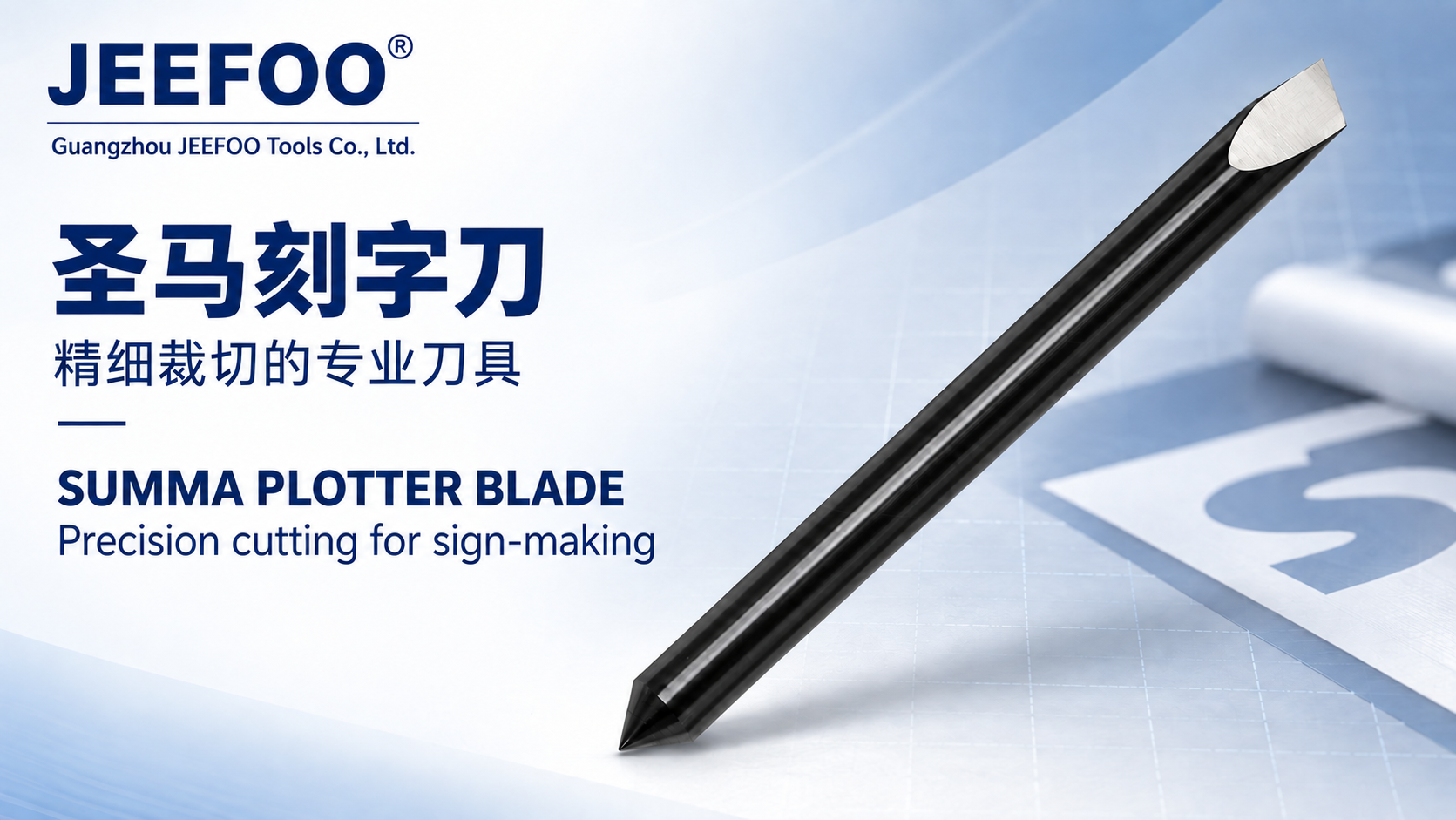
Choose an engraving tool by matching tip geometry, material, diameter, reach, machine spindle, workpiece, detail size, and required finish. This Engraving Tool Buying Guide provides a practical checklist for selecting V-bits, flat-bottom cutters, ball nose tools, tapered cutters, and specialty engraving blades.
What should you check before buying?
Table of Contents
Start with the material and the smallest detail in the design. Then confirm machine interface, spindle speed, collet capacity, cutting depth, toolpath, finish, and production volume. A tool that fits the artwork but exceeds the machine’s runout or rigidity will not produce consistent results.
Engraving Tool Buying Guide: 9 selection tips
- Identify the material: wood, acrylic, aluminum, brass, steel, stone, and composites require different edges and coatings.
- Define detail size: the tip must fit the narrowest line and smallest internal corner.
- Choose tool shape: select V-bit, flat, ball nose, tapered, or single-flute geometry by feature.
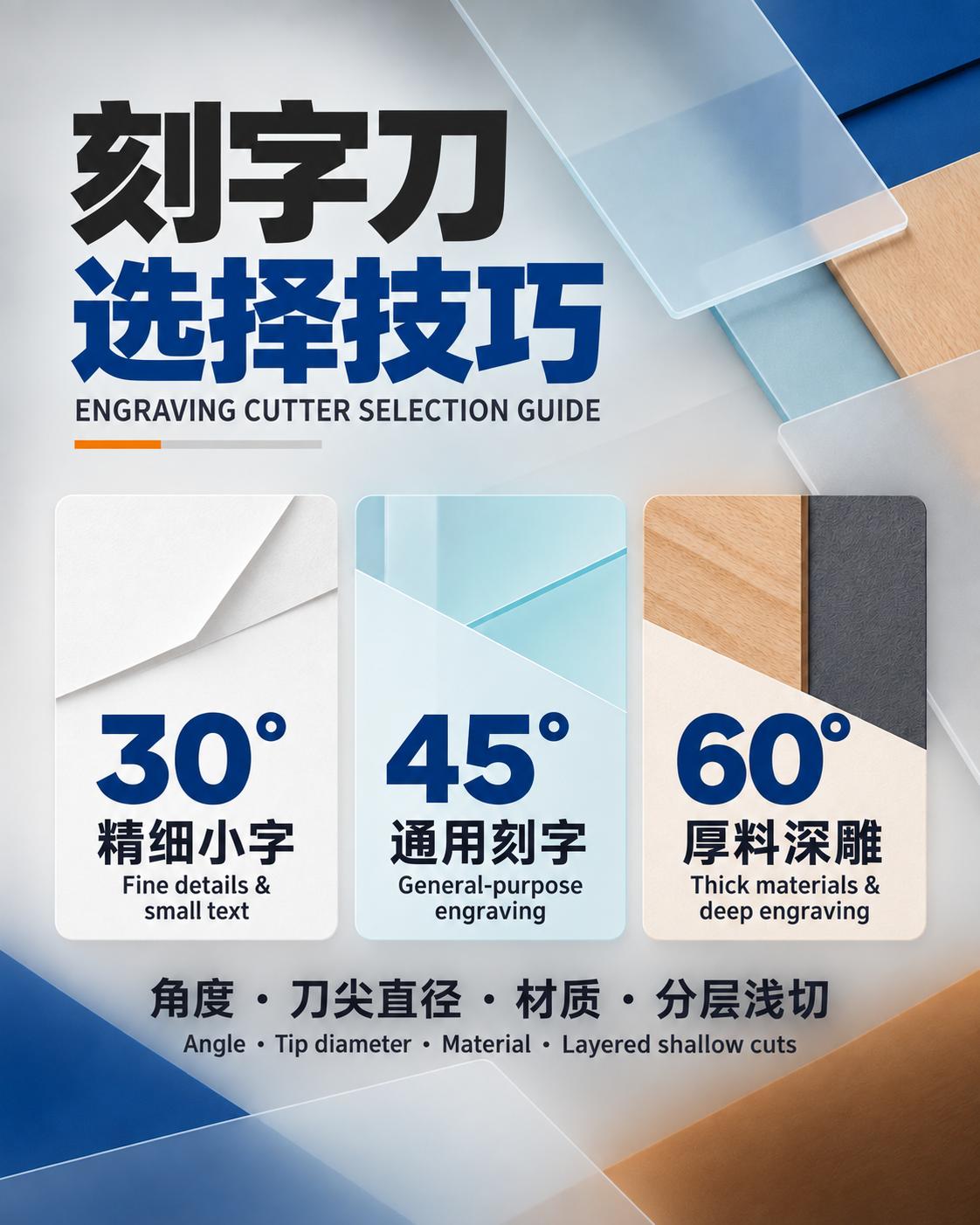
- Match the angle: narrow V-angles cut fine lines; wider angles create broader grooves at shallow depth.
- Limit reach: use the shortest practical flute and projection to reduce deflection.
- Check shank size: confirm collet compatibility and never clamp on cutting edges.
- Select substrate: carbide offers wear resistance; diamond and PCD suit specific abrasive nonferrous applications.
- Review cutting data: confirm speed, chip load, depth, cooling, and toolpath recommendations.
- Compare cost per result: include tool life, cycle time, finish quality, scrap, and rework.
Choose the correct engraving geometry
- V-bits: lettering, signs, chamfers, and variable-width grooves.
- Flat-bottom tools: channels, pockets, PCB isolation, and small flat features.
- Ball nose tools: 3D reliefs, molds, smooth contours, and sculpted surfaces.
- Tapered ball nose tools: combine a small tip with stronger support for deep 3D work.
- Single-flute cutters: provide chip space for plastic, aluminum, and high-speed routers.
Match tool material to the workpiece
Solid carbide is a versatile choice for rigidity, sharp edges, and wear resistance. Coated carbide can improve heat or abrasion performance when the coating matches the workpiece. PCD and diamond tools excel in abrasive nonferrous materials, composites, graphite, and ultra-fine finishing, but are generally unsuitable for hot ferrous cutting.
Tip size, angle, and engraving depth
For a V-bit, groove width increases as cutting depth increases. A small tip radius preserves fine detail but is more fragile. Choose the included angle by the intended line width and depth, then simulate the toolpath. Do not assume two tools with the same angle have the same tip diameter or runout tolerance.
Machine compatibility and runout
Verify shank diameter, collet range, maximum spindle speed, tool length, holder clearance, and machine control. Clean the shank and collet, measure runout near the tip, and minimize projection. At very small diameters, a small runout error can overload one edge and ruin detail.
Evaluate supplier specifications
- Tip diameter or radius and tolerance.
- Included angle, flute length, overall length, and shank diameter.
- Carbide grade, coating, edge preparation, and recommended materials.
- Speed, feed, depth, cooling, and runout limits.
- Batch traceability, inspection, regrinding, and replacement support.
Troubleshoot poor engraving results
- Broken tips: reduce runout, depth, impact, and unsupported length.
- Fuzzy wood: use a sharper edge, correct direction, support, and finishing pass.
- Melted plastic: improve chip load, evacuation, and cooling.
- Burrs in metal: revise geometry, edge sharpness, speed, and feed.
- Uneven line width: check material flatness, Z-zero, spindle runout, and tip tolerance.
Inspection and safety checklist
Inspect the tip under magnification, verify tool dimensions, secure the workpiece, simulate the path, and run a small test. Enclose the cutting zone and control chips or dust. Follow machine and tool manufacturer guidance. Review the OSHA machine guarding guidance and explore JeeFoo engraving and cutting tools.

Frequently asked questions
Which engraving tool is best for small letters?
A sharp fine-tip V-bit or small flat engraving cutter is common. Choose the tip and angle from the narrowest line, depth, material, and required corner detail.
Is carbide suitable for engraving?
Yes. Solid carbide provides rigidity, wear resistance, and sharp geometry for many woods, plastics, nonferrous metals, PCB materials, and composites.
Why does an engraving tip break?
Common causes include excessive runout, too much depth, abrupt entry, excessive projection, weak workholding, wrong cutting data, or a tip too fine for the load.