Flat Bottom vs Center Point Knives: 7 Differences
Flat Bottom vs Center Point Knives differ in tip geometry, entry behavior, groove base, centering action, detail capability, suitable depth, and common application. A flat-bottom knife creates a level base and controlled-width cut, making it useful for pockets, lettering, trimming, and shallow grooves where the bottom surface must remain even.
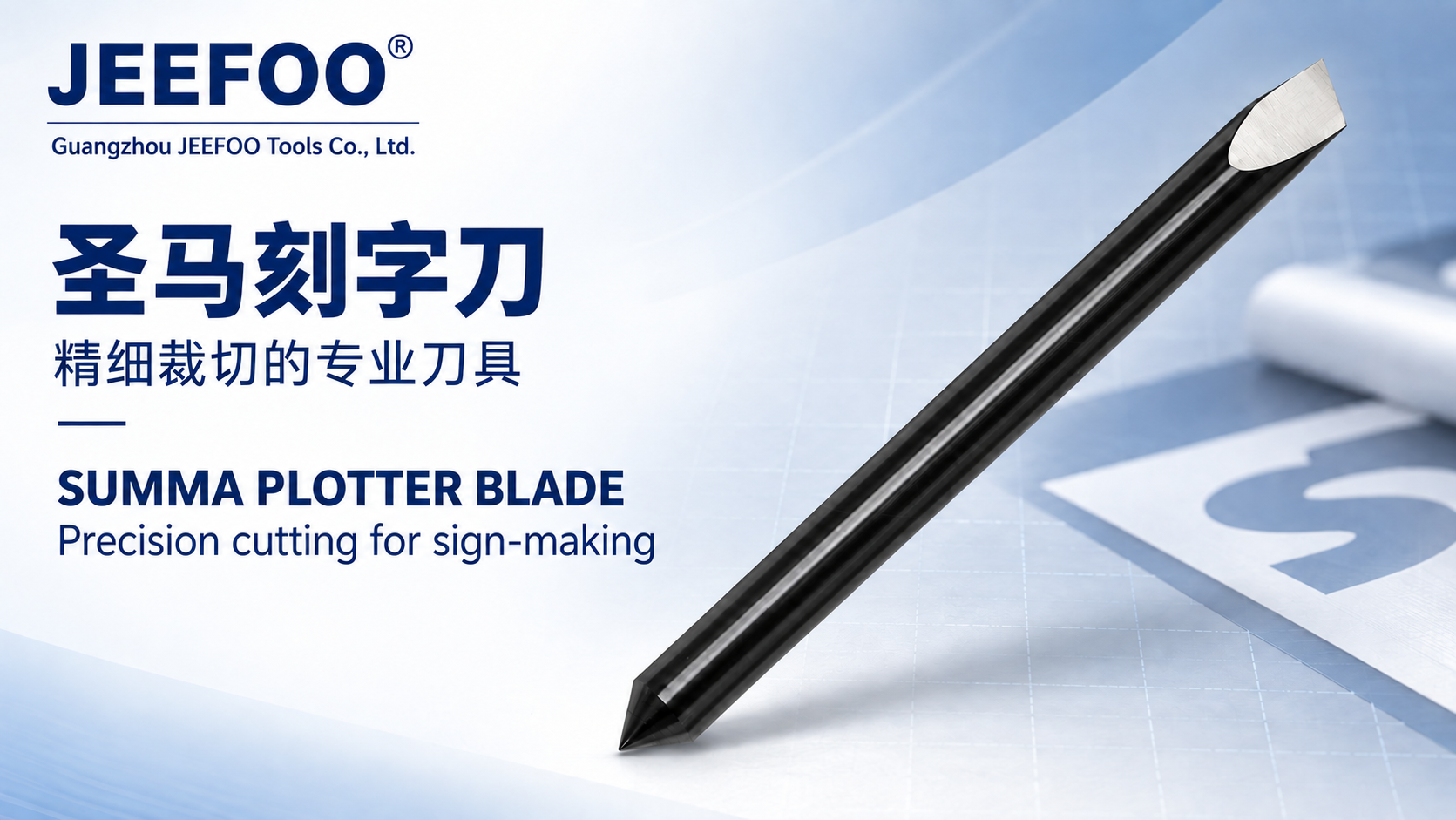
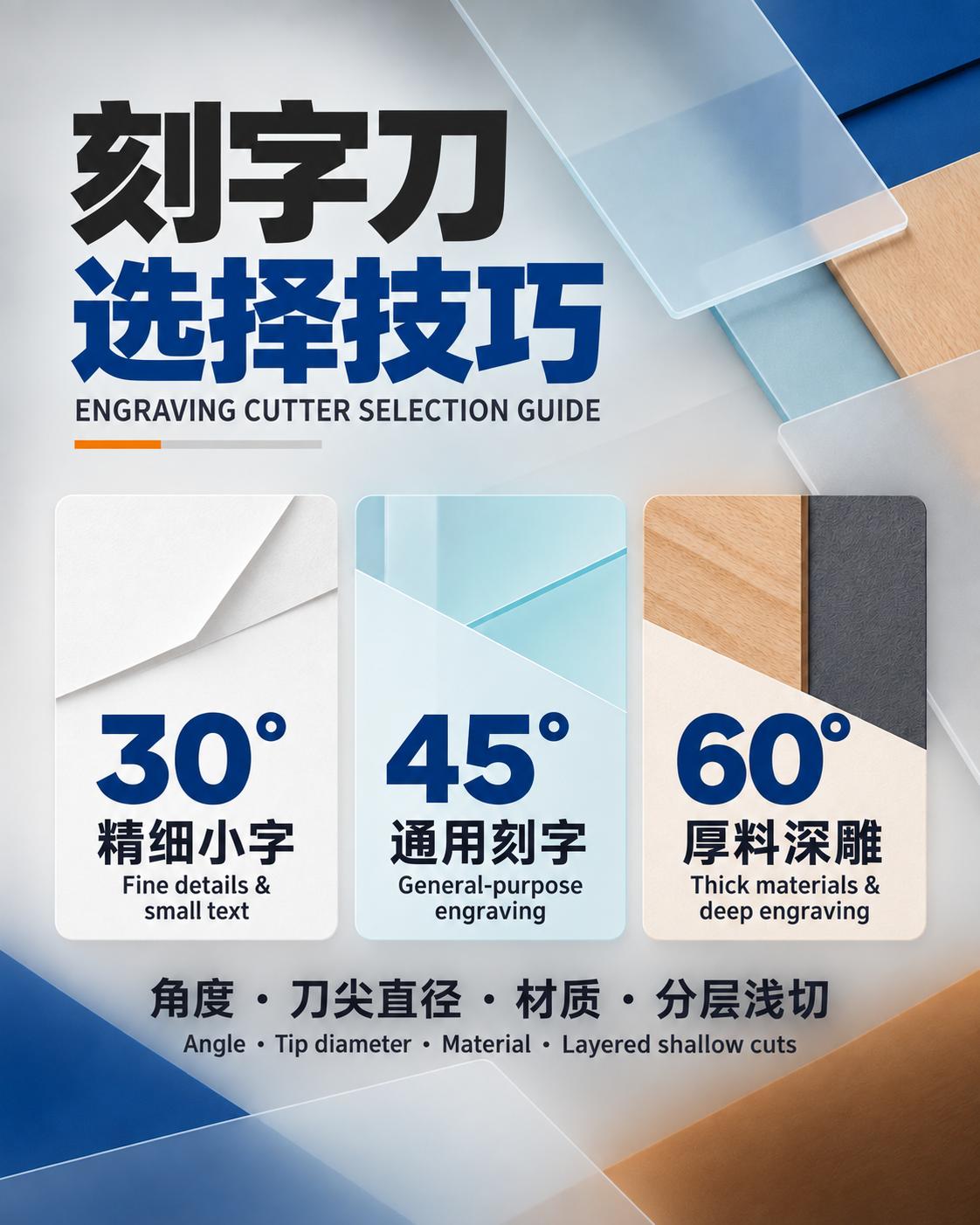
A center-point knife has a projecting tip that helps locate the cut and enter the workpiece. It is suited to V-shaped engraving, fine lines, corner details, and applications where point control matters more than a flat groove bottom. Cutting angle, tip width, shank size, edge design, and material determine strength, detail, chip flow, and compatibility.
Choose the flat-bottom design for level bases and consistent-width features; choose the center-point design for sharp entry and tapered detail. Confirm toolpath, depth, speed, feed, runout, and workholding with a test cut. A specialist engraving knife supplier can help match geometry to the job. General engraving information also explains techniques, materials, tools, and applications.