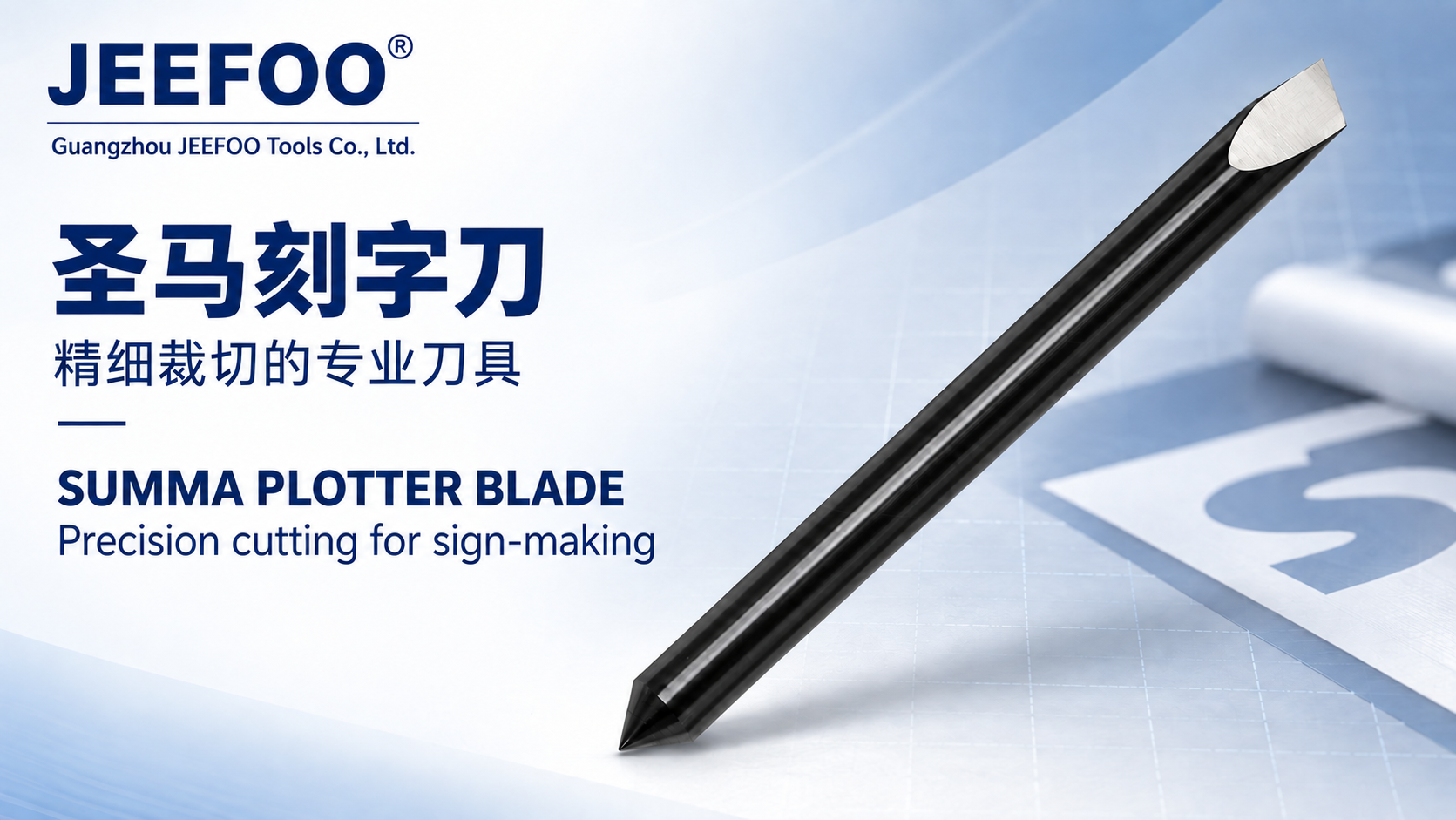
A PCD engraving tool uses a polycrystalline diamond cutting edge bonded to a tool body for highly wear-resistant machining of abrasive nonferrous and nonmetal materials. This PCD Diamond Engraving Tool Guide explains benefits, suitable applications, selection, operating limits, maintenance, and common troubleshooting.

Table of Contents
PCD Diamond Engraving Tool Guide: 7 Key Facts
- Exceptional wear resistance: PCD can hold an edge far longer than conventional carbide in many abrasive applications.
- Stable finish: Long edge life supports repeatable dimensions and surface quality in production.
- Best material range: Common targets include aluminum alloys, copper, graphite, plastics, composites, laminates, MDF, and engineered wood.
- Material restrictions: PCD is generally unsuitable for ferrous metals at elevated cutting temperatures because diamond can react with iron.
- Setup sensitivity: Runout, weak workholding, collision, and excessive load can chip the hard but relatively brittle edge.
- Higher initial cost: Value depends on tool life, consistency, reduced changeovers, and total cost per part.
- Specialist service: Inspection, sharpening, or retipping should be handled by a qualified PCD tool service when applicable.
Where PCD Engraving Tools Perform Best
- High-volume engraving or routing of abrasive panels and laminates.
- Graphite electrode machining where wear control is important.
- Nonferrous metal engraving requiring consistent finish.
- Fiber-reinforced composites when geometry and process control are appropriate.
How to Select a PCD Engraving Cutter
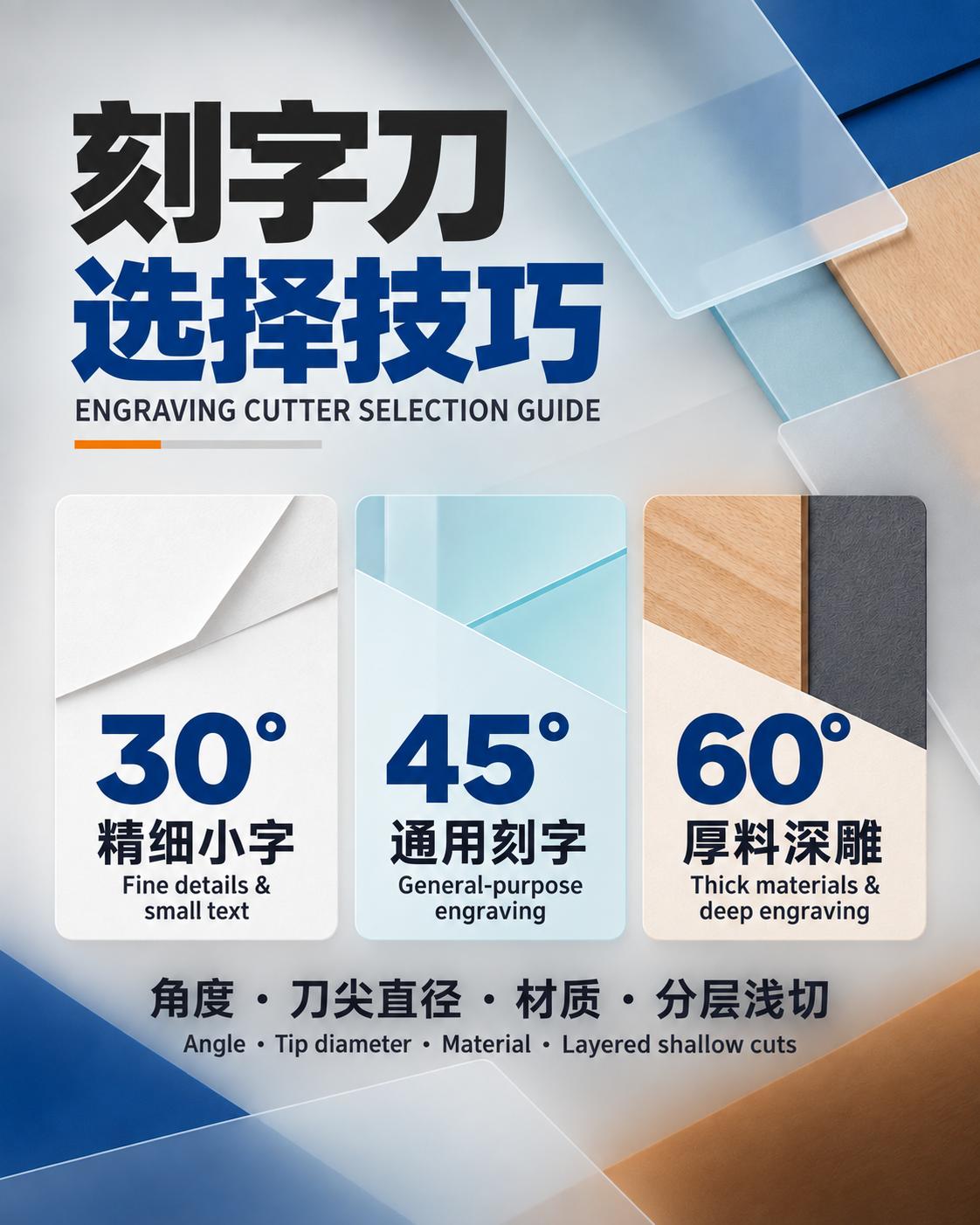
Use this PCD Diamond Engraving Tool Guide to compare included angle, tip width, cutting length, shank diameter, edge orientation, relief, and intended material. Confirm machine spindle limits, collet size, toolpath clearance, and the minimum detail in the design. A supplier should approve geometry and parameters for the exact workpiece.
Setup and Operating Checklist
- Inspect the PCD edge under suitable magnification before installation.
- Clean the shank, collet, nut, and spindle taper to minimize runout.
- Use rigid workholding and verify X, Y, Z, safe height, and tool length.
- Start with supplier-recommended speed, feed, plunge, and depth per pass.
- Test on scrap and monitor sound, chips, temperature, finish, and edge condition.
Maintenance and Failure Prevention
Do not scrape or impact the diamond edge. After the spindle stops, remove chips safely, clean the tool with a compatible method, and store it dry in a protective holder. Chipping may indicate runout, collision, unstable fixturing, interrupted cutting, excessive engagement, or unsuitable parameters.
Safety and Application Support
Wear suitable eye and hearing protection, control dust or mist, keep clear of rotating parts, and never exceed the rated tool or spindle speed. Explore application options at JeeFoo cutting tools. For material background, see the polycrystalline diamond overview.
Frequently Asked Questions
Can PCD tools engrave steel?
They are generally not the preferred choice for ferrous metals because heat promotes chemical wear between diamond and iron. Confirm special cases with the tool supplier.
Why does a PCD edge chip?
Typical causes include collision, excessive runout, unstable workholding, interrupted impact, poor geometry selection, or parameters that overload the edge.
When is PCD economically worthwhile?
It is most attractive when longer life, fewer tool changes, predictable quality, and lower cost per part offset the higher purchase price.