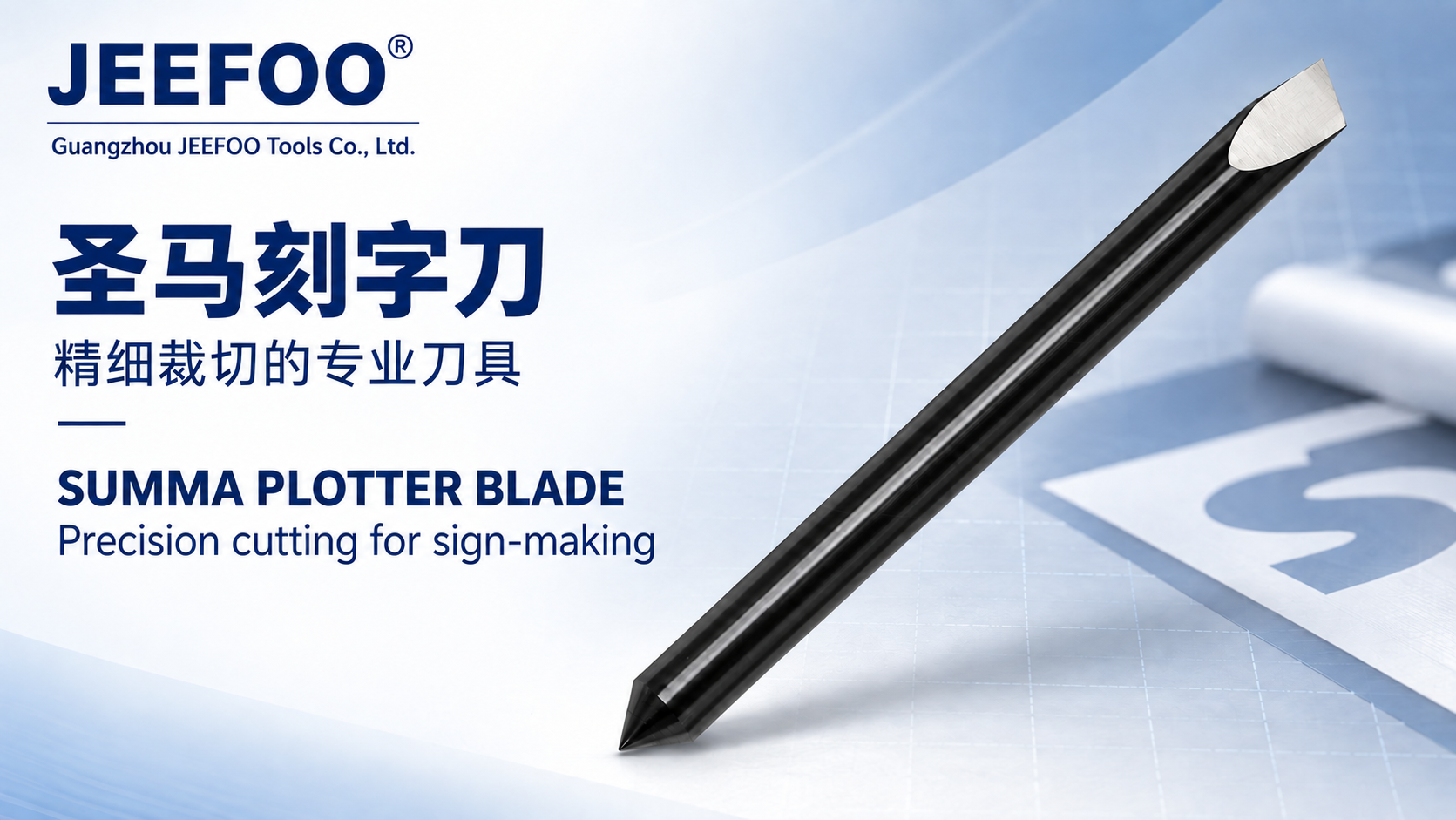
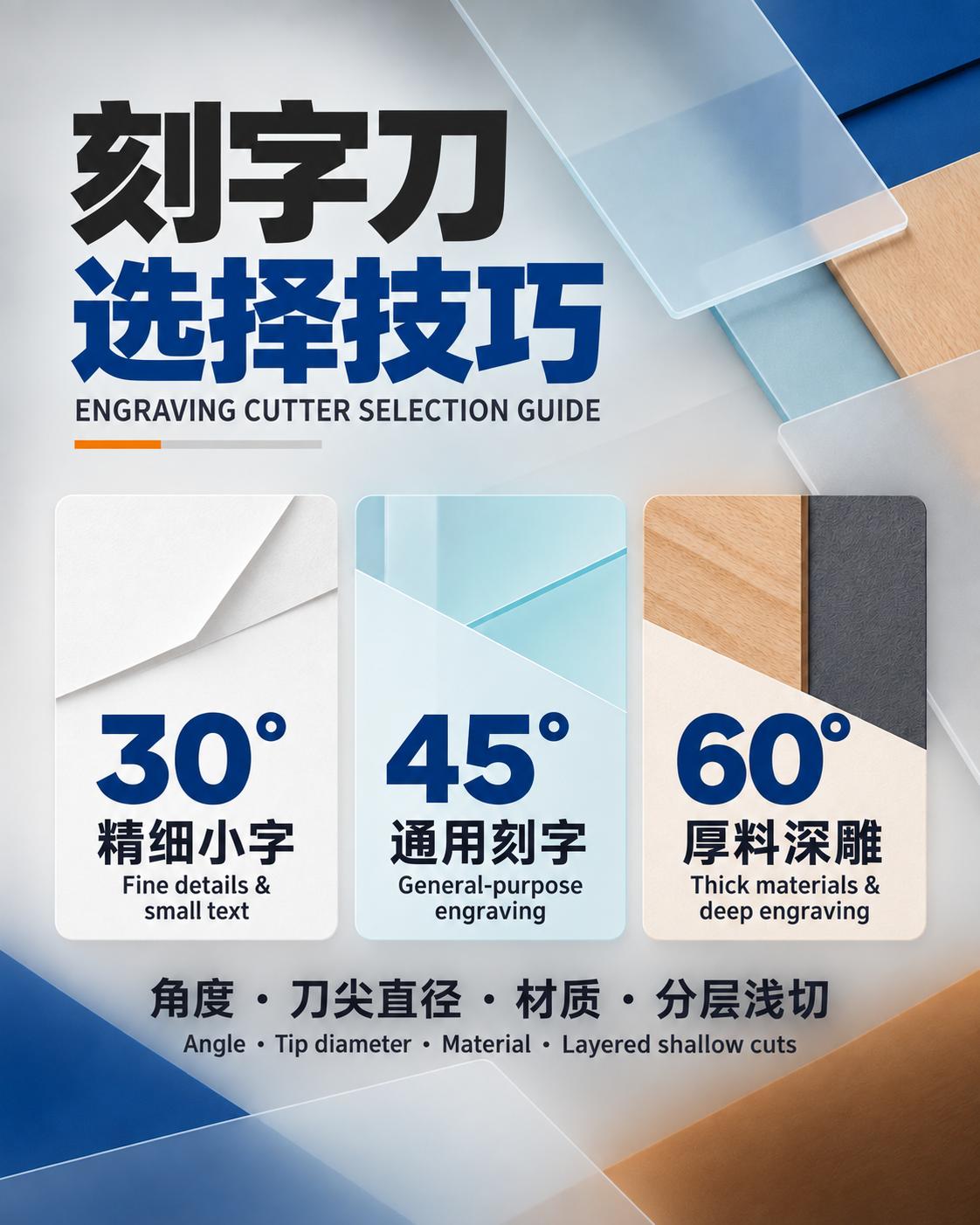
A single-edge left-hand downcut cutter combines one cutting edge with a geometry intended to direct chips and axial force downward in its specified operating direction. It can protect the top face of suitable sheet materials, but only when the spindle rotation, cutting hand, holder, workholding, and material all match. This Single Edge Left-Hand Downcut Cutter Guide explains the checks required before machining.

What Is a Left-Hand Downcut Cutter?
“Left-hand” may describe cutting hand, helix direction, or required spindle rotation, while “downcut” describes the intended chip and force direction relative to the work surface. Supplier conventions vary. Confirm the rotation arrow and dimensional drawing rather than identifying the tool from flute appearance alone.
Single Edge Left-Hand Downcut Cutter Guide: 9 Checks
- Verify cutting hand. Use the supplier’s viewing convention and marked rotation arrow.
- Check the spindle. Confirm that the machine permits the required rotation under cutting load.
- Secure the holder. Reverse rotation must not loosen a threaded nut, arbor, or accessory.
- Match the material. Verify the cutter grade and geometry for the exact plastic, wood, aluminum, composite, or sheet product.
- Plan chip evacuation. Downward chip flow needs adequate clearance, extraction, or coolant at the lower surface.
- Support the workpiece. Downward force can help the top face but does not replace clamps, vacuum, or a sacrificial board.
- Choose a rigid size. Use the largest diameter and shortest cutting length that fit the feature.
- Follow cutting data. Start with the manufacturer’s speed, chip load, and engagement limits.
- Test before production. Confirm rotation, top-edge quality, chip clearance, sound, and dimensional accuracy.
Main Advantages
- A single large flute can provide generous chip space.
- Downcut action can reduce top-face lifting or breakout in approved materials.
- Downward axial force may help keep thin sheet seated against proper support.
- A sharp compatible edge can support clean contouring and slotting.
- Left-hand geometry serves machines or mirrored operations designed for that rotation.
These advantages depend on correct rotation, chip clearance, and workholding. A downcut tool can pack chips beneath the cutter if the spoilboard, slot, vacuum system, or coolant path cannot clear them.
Material and Application Matching
The Single Edge Left-Hand Downcut Cutter Guide begins with the supplier’s compatibility chart. Downcut geometry may be useful for selected laminated panels, plastics, thin sheet, non-ferrous materials, or surface-sensitive work. Do not assume one design can cut every material. Confirm carbide grade, coating, edge polish, tip form, and coolant requirements.
Machine Rotation and Holder Safety
Check spindle rotation before installing or touching off the cutter. The collet, nut, arbor, and any threaded connection must be approved for the selected direction. Clean all mating surfaces, use adequate shank engagement, keep projection short, and measure runout near the cutting end. Stop immediately if the holder moves or loosens.
Feeds, Speeds, and Chip Load
Use the manufacturer’s cutting data for the exact cutter and material. For a single cutting edge, feed rate is chip load × one tooth × spindle speed. Avoid extremely low feed that causes rubbing, but do not exceed the machine, holder, or tool limits. Make a conservative test cut and inspect real chips rather than judging settings by spindle sound alone.
Chip Evacuation and Heat Control
Because the geometry pushes chips downward, provide a path below the cut. Use an approved spoilboard channel, vacuum system, air blast, extraction, or coolant strategy. Packed chips increase heat, recutting, burrs, melting, and edge failure. Never clear chips while the spindle is turning.
Common Problems and Corrections
- Cutter rubs: verify cutting hand, spindle direction, edge condition, and feed.
- Chips pack below the cut: improve lower-surface clearance and extraction or reduce engagement within supplier limits.
- Bottom-edge breakout: support the exit face and consider a different geometry or finishing pass.
- Top face scratches: inspect trapped chips, tool runout, and material hold-down.
- Chatter: reduce projection, improve support, check runout, and correct cutting data.
- Holder loosens: stop immediately and use a system approved for the required rotation.
Safety Checklist
Keep the machine enclosure closed, secure the workpiece, and remain within all speed ratings. Verify rotation with the tool clear of the part, then stop the spindle before inspection or chip removal. Follow the machine manual and applicable OSHA machine-guarding guidance.
How to Specify the Cutter
Provide the supplier with machine model, spindle rotation, holder, workpiece material and thickness, feature dimensions, top and bottom finish targets, chip-clearance method, coolant or extraction, and production volume. Request a drawing showing cutting hand, helix direction, rotation arrow, maximum speed, and recommended cutting data. See JeeFoo CNC cutting tool solutions for related options.
Frequently Asked Questions
Can I run a standard right-hand cutter backward?
No. Use only the cutting direction specified for the tool and confirm that the spindle and holder support it.
Does downcut geometry eliminate clamps?
No. Downward axial force does not replace secure workholding, vacuum capacity, or part support.
Why does the cutter overheat?
Likely causes include chip packing, rubbing, excessive engagement, poor coolant or air delivery, a dull edge, or incompatible geometry. Use the Single Edge Left-Hand Downcut Cutter Guide to check the complete process.
Final Recommendation
Choose a left-hand downcut tool only when the machine, holder, rotation, material, chip path, and workholding support it. Verify the rotation arrow, run a protected test, and record successful settings. This Single Edge Left-Hand Downcut Cutter Guide helps prevent the most common setup errors.