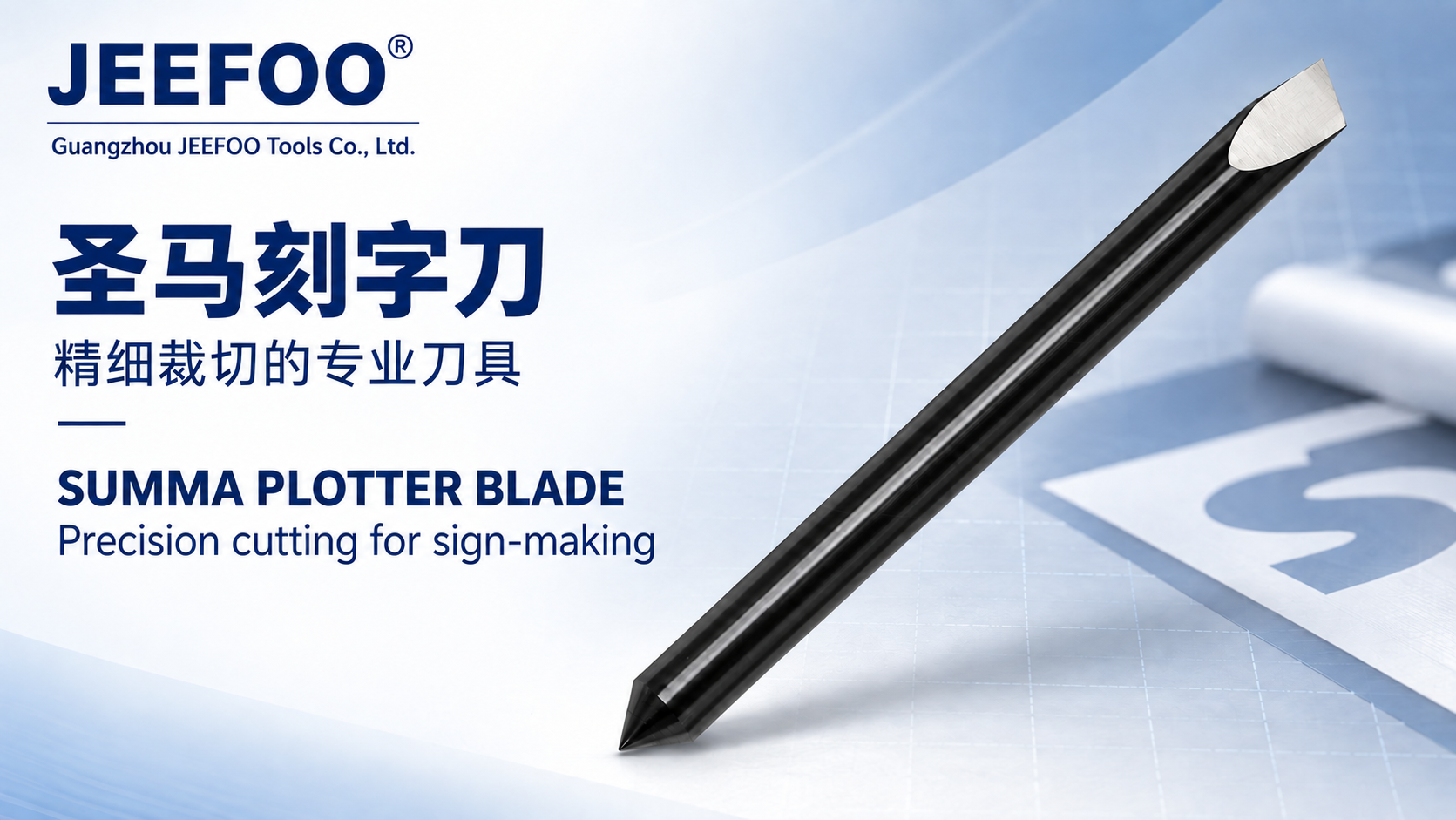
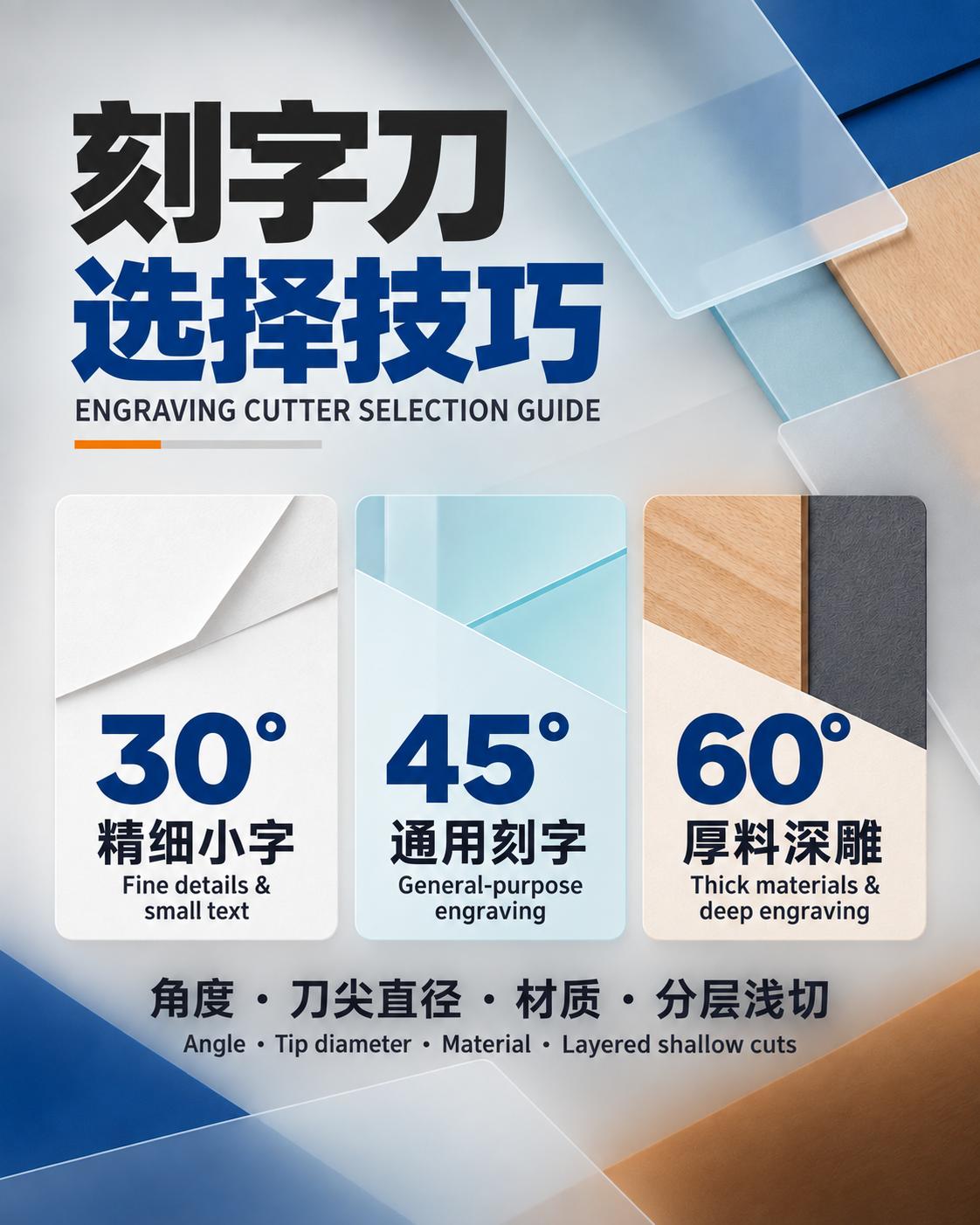
A tungsten carbide finishing knife is a wear-resistant cutting tool designed for clean final passes, trimming, engraving, routing, or surface finishing when its geometry matches the material and machine. This Tungsten Carbide Finishing Knife Guide explains eight selection and use tips.
What is a tungsten carbide finishing knife?
Table of Contents
It uses a hard carbide cutting edge or solid-carbide body to retain sharpness under abrasive conditions. Carbide offers stiffness and wear resistance but is more brittle than many steels, so runout, impact, weak workholding, and excessive engagement must be controlled.

Tungsten Carbide Finishing Knife Guide: quick table
| Factor | Why it matters |
|---|---|
| Edge profile | Controls finish and cutting force |
| Carbide grade | Balances wear and toughness |
| Coating | Manages friction and heat |
| Runout | Controls edge load and accuracy |
| Finish allowance | Prevents overload |
1. Match geometry to the operation
Choose straight, spiral, pointed, radiused, or specialized finishing geometry from the feature and material. Verify cutting direction, clearance, tip form, and whether the tool is intended for side cutting, trimming, or engraving.
2. Select the correct carbide grade
Fine-grain carbide can support a keen edge, while tougher grades resist chipping. The Tungsten Carbide Finishing Knife Guide treats the manufacturer application range as the controlling source.
3. Use a small, uniform allowance
Rough first, then leave consistent stock for the finishing pass. Uneven allowance changes edge load and can create marks, deflection, or dimensional error.
4. Minimize runout and projection
Clean the shank and holder, measure runout near the edge, and use the shortest reach that clears the fixture. Small carbide tools are especially sensitive to eccentric loading.
5. Calculate cutting data
Set speed and feed from diameter, tooth count, chip load, material, coating, and engagement. Do not reduce feed until the edge rubs; rubbing creates heat and rapid wear.
6. Control chips and heat
Use the approved air, vacuum, or coolant strategy. Recut chips scratch finished surfaces, while heat can soften plastics, promote built-up edge, or damage coatings.
7. Inspect finish and edge condition
Watch for burrs, tearing, chatter, haze, dimensional drift, or rising spindle load. Replace chipped carbide immediately rather than forcing the cut.
8. Protect the brittle edge
Store tools separately, avoid impacts, use correct holders, and never tighten on a cutting edge. Follow the machine manual and OSHA machine-guarding guidance.
Selection checklist
- Confirm material and operation.
- Match shank, diameter, reach, and edge form.
- Verify grade, coating, runout, RPM, and holder limits.
- Use uniform finishing stock.
- Monitor chips, sound, finish, load, and dimensions.
For support visit Guangzhou JeeFoo Tools.
Frequently asked questions
Why use carbide for finishing?
It offers stiffness and wear resistance for stable sharp edges in suitable setups.
Why does carbide chip?
Common causes include impact, runout, excess engagement, weak fixturing, or unsuitable grade.
Can carbide be sharpened?
Some tools can be professionally reground if geometry, balance, and minimum dimensions remain valid.
Bottom line: use this Tungsten Carbide Finishing Knife Guide to verify geometry, grade, allowance, runout, cutting data, chip control, wear, and safety.