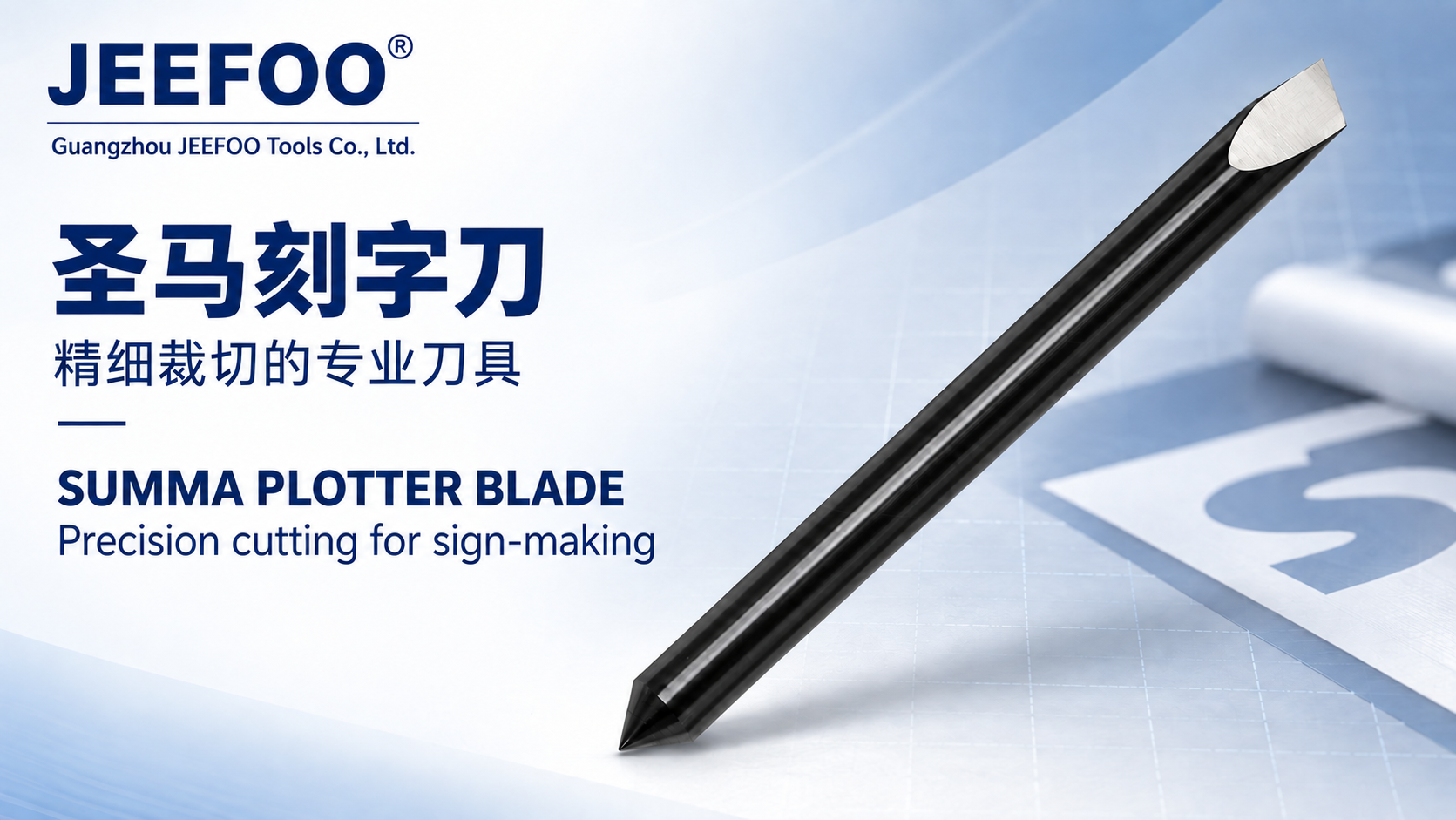
A tungsten carbide sharp knife is a precision engraving cutter for 2D plane engraving, 2D cutting, and 3D corner clearing. It can machine ABS two-color board, acrylic, plastics, and selected metals when the cutter geometry, tip width, spindle data, feed, depth, workholding, and cooling method are matched to the material.

What Is a Tungsten Carbide Sharp Knife?
The tool has a hard carbide cutting tip designed to create fine lines, sharp internal corners, shallow pockets, and cut profiles. Compared with high-speed steel, carbide generally provides greater hardness and wear resistance, but the thin point remains sensitive to runout, impact, excessive depth, and poor chip removal.
Main Functions
| Function | Typical result | Key setup factor |
|---|---|---|
| 2D plane engraving | Text, logos, and shallow graphics | Tip width and depth consistency |
| 2D cutting | Profiles and separated shapes | Pass depth, support, and feed |
| 3D corner clearing | Sharper detail in narrow corners | Included angle and point runout |
| Fine line marking | Small lettering and thin grooves | Machine rigidity and surface flatness |
Suitable Materials
- ABS two-color engraving board.
- Acrylic and other compatible plastics.
- Copper, aluminum, and selected non-ferrous metals.
- Iron or steel only when the exact tool and machine process are approved for the alloy.
- Other non-metallic engraving stock validated by the tool supplier.
A tungsten carbide sharp knife is not automatically suitable for every grade within these material families. Hardness, abrasiveness, coating, sheet thickness, and required finish all affect the correct tool and cutting data.
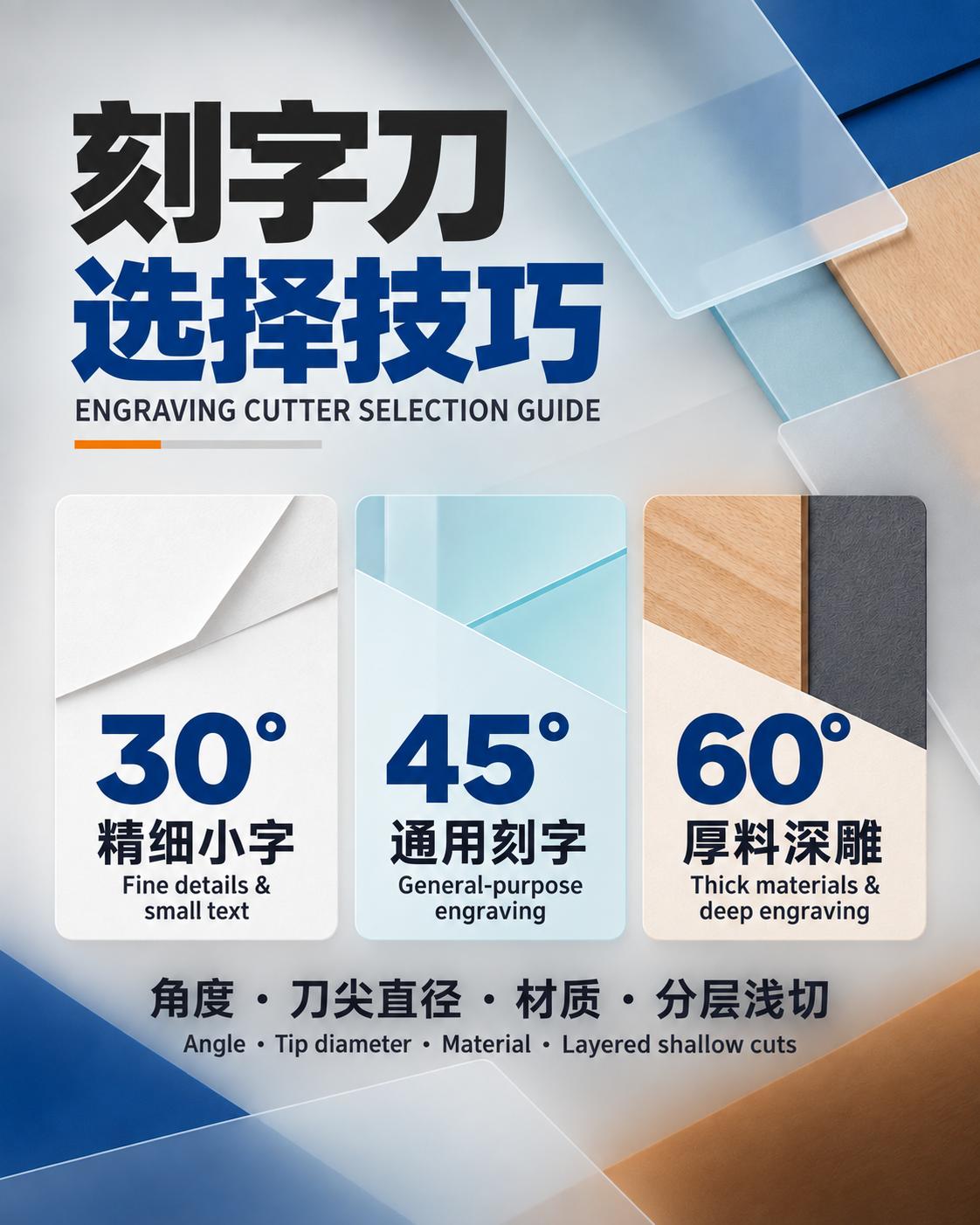
How to Select Tip Width and Angle
- Start with the smallest detail. The tip must enter the narrowest groove or corner.
- Use the widest practical tip. A wider tip is usually stronger and may support a faster feed.
- Match the included angle. Narrow angles reach fine detail; wider angles provide more support.
- Account for depth. V-shaped geometry makes groove width increase as cutting depth increases.
- Verify the shank. Match the collet exactly and minimize tool projection.
Metal Engraving and Cooling
Metal engraving can generate concentrated heat at the carbide point. Use the coolant, cutting oil, air blast, or minimum-quantity lubrication method approved by the machine and tool suppliers. The fluid must be compatible with the workpiece, spindle, extraction system, and workplace rules. Never apply a flammable or unapproved liquid near electrical equipment.
Setup Checklist
- Clean the collet and carbide shank before installation.
- Check point condition and measure runout near the cutting tip.
- Clamp the sheet flat and support the programmed cutting path.
- Set zero carefully because tip width changes with engraving depth.
- Start with manufacturer speed, feed, and pass-depth data.
- Test a small area and inspect groove width, burrs, heat, and chips.
Common Problems and Corrections
| Problem | Likely cause | Correction |
|---|---|---|
| Broken point | Runout, impact, deep pass, weak support | Correct holding and reduce engagement |
| Uneven line width | Unlevel sheet, variable depth, spindle play | Flatten the surface and verify machine motion |
| Burrs | Dull edge or unsuitable cutting data | Replace the tool and adjust feed or speed |
| Melted plastic | Rubbing, excess heat, poor chip removal | Restore chip load and extraction |
| Discolored metal | Heat or inadequate lubrication | Use the approved cooling method and lighter passes |
Selection Summary
Select a tungsten carbide sharp knife by material, smallest feature, required depth, included angle, tip width, shank, and machine capability. Use the widest tip that still fits the design, because added point strength can improve stability and productivity. Browse related tools in the JeeFoo cutter library and follow applicable OSHA machine-guarding guidance.
Frequently Asked Questions
What is a tungsten carbide sharp knife used for?
It is used for fine 2D engraving, profile cutting, small lettering, narrow grooves, and 3D corner clearing.
Why use the widest possible tip?
A wider practical tip has more support, so it may resist breakage and permit more productive cutting while still fitting the design.
Is cutting oil always required for metal?
Use only the cooling or lubrication method specified for the particular tool, metal, spindle, and machine; the correct method varies by process.