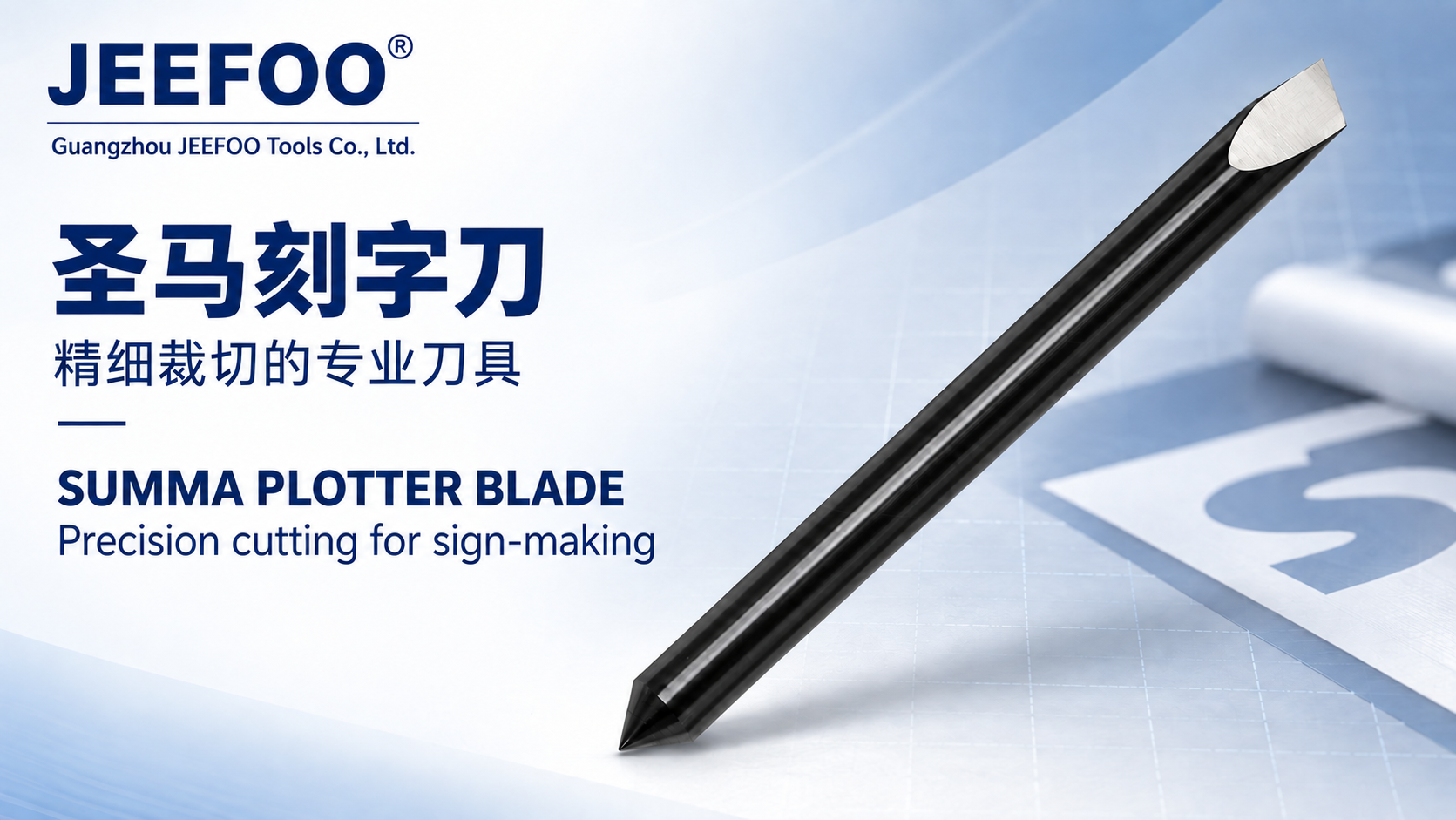
A tungsten steel blade is commonly a cemented-carbide cutting blade made by combining hard tungsten-carbide particles with a metallic binder through powder metallurgy. It is selected for wear resistance, hardness, edge retention, and cutting stability, but the exact grade, binder content, geometry, coating, and finish must match the material, machine, and operation.

Tungsten Steel Blade: Quick Answer
The term “tungsten steel” is widely used in industry for tungsten-carbide or cemented-carbide products, although naming varies by supplier and region. The material is not conventional steel with a small tungsten addition. Confirm the technical data sheet before choosing a blade because carbide grain size, binder percentage, and manufacturing quality change toughness and wear behavior.
How The Material Is Made
- Tungsten-carbide powder and binder metal are selected for the target grade.
- Powders are mixed, milled, dried, and prepared with forming additives.
- The mixture is pressed or formed into a near-net blade blank.
- Sintering densifies the compact and bonds carbide particles through the binder phase.
- Grinding, lapping, polishing, edge preparation, and optional coating produce the final geometry.
- Inspection verifies dimensions, edge condition, defects, and grade requirements.
Key Properties
| Property | Practical benefit | Tradeoff |
|---|---|---|
| High hardness | Resists abrasive wear | Can be less tolerant of impact |
| Edge retention | Supports consistent dimensions and finish | Requires accurate setup and sharpening |
| Hot hardness | Maintains strength at suitable cutting temperatures | Excess heat can still damage coating or binder |
| Compressive strength | Handles cutting pressure | Bending and shock must be controlled |
| Grade flexibility | Grain and binder can be tailored | No single grade fits every material |
Common Blade Applications
Carbide blades may be used for slitting, scraping, trimming, planing, profiling, cutting composites, machining non-ferrous metal, woodworking, packaging, paper conversion, plastics, and other approved applications. Edge shape and grade must be designed for the specific workpiece; a blade suitable for abrasive fiber material may not be suitable for impact-prone interrupted cutting.
How To Select A Tungsten Steel Blade
- Identify the workpiece. Record composition, hardness, abrasiveness, thickness, and inclusions.
- Define the operation. Separate continuous cutting, interrupted cutting, scraping, slitting, and finishing.
- Choose the grade. Balance wear resistance against toughness and edge strength.
- Select geometry. Match bevel, rake, clearance, thickness, and edge preparation to the process.
- Verify mounting. Hole, slot, clamp, seat, and blade flatness must match the machine.
- Review coating and finish. Use only options approved for the material, temperature, and lubrication.
Carbide Vs High-Speed Steel
| Factor | Cemented carbide | High-speed steel |
|---|---|---|
| Wear resistance | Usually higher | Usually lower |
| Impact tolerance | Grade-dependent and often lower | Often higher |
| Edge retention | Long at suitable conditions | May need more frequent sharpening |
| Grinding | Needs suitable diamond abrasives | More conventional sharpening options |
| Best choice | Abrasive, stable, accurate cutting | Shock, flexibility, or simpler resharpening |
Setup And Maintenance Checklist
- Inspect the edge and body for chips, cracks, corrosion, and distortion.
- Clean the blade seat, clamp, spindle, and contact surfaces.
- Use the specified mounting force and verify alignment or runout.
- Start with manufacturer cutting data and guarded test cuts.
- Control vibration, heat, chip flow, and workpiece movement.
- Use qualified grinding methods and do not overheat the edge during sharpening.
Common Failures And Corrections
| Failure | Likely cause | Correction |
|---|---|---|
| Edge chipping | Impact, vibration, weak edge, wrong grade | Increase stability and choose a tougher system |
| Rapid wear | Abrasive material, wrong grade, poor coating | Match grade and surface treatment |
| Cracked blade | Overclamping, bending, collision, thermal shock | Stop use and inspect mounting and process |
| Poor finish | Runout, dull edge, unstable feed | Restore alignment, sharpness, and cutting data |
| Buildup | Adhesive material, heat, unsuitable edge | Improve geometry, cooling, and chip control |
Selection Summary
Choose a tungsten steel blade by verified carbide grade, binder, geometry, edge preparation, coating, dimensions, mounting, workpiece, and cutting conditions. Carbide can provide excellent wear resistance and edge retention when shock, bending, heat, runout, and vibration are controlled. Browse the JeeFoo blade range and follow applicable OSHA machine-guarding guidance.
Frequently Asked Questions
Is tungsten steel the same as cemented carbide?
The term is often used that way commercially, but specifications vary; confirm composition and grade on the technical data sheet.
Why can a hard carbide blade chip?
Hardness and wear resistance do not eliminate brittleness; impact, bending, runout, weak support, or an unsuitable grade can chip the edge.
Can every carbide blade be resharpened?
Resharpening depends on geometry, coating, damage, remaining material, and the maker’s instructions; use qualified grinding equipment.