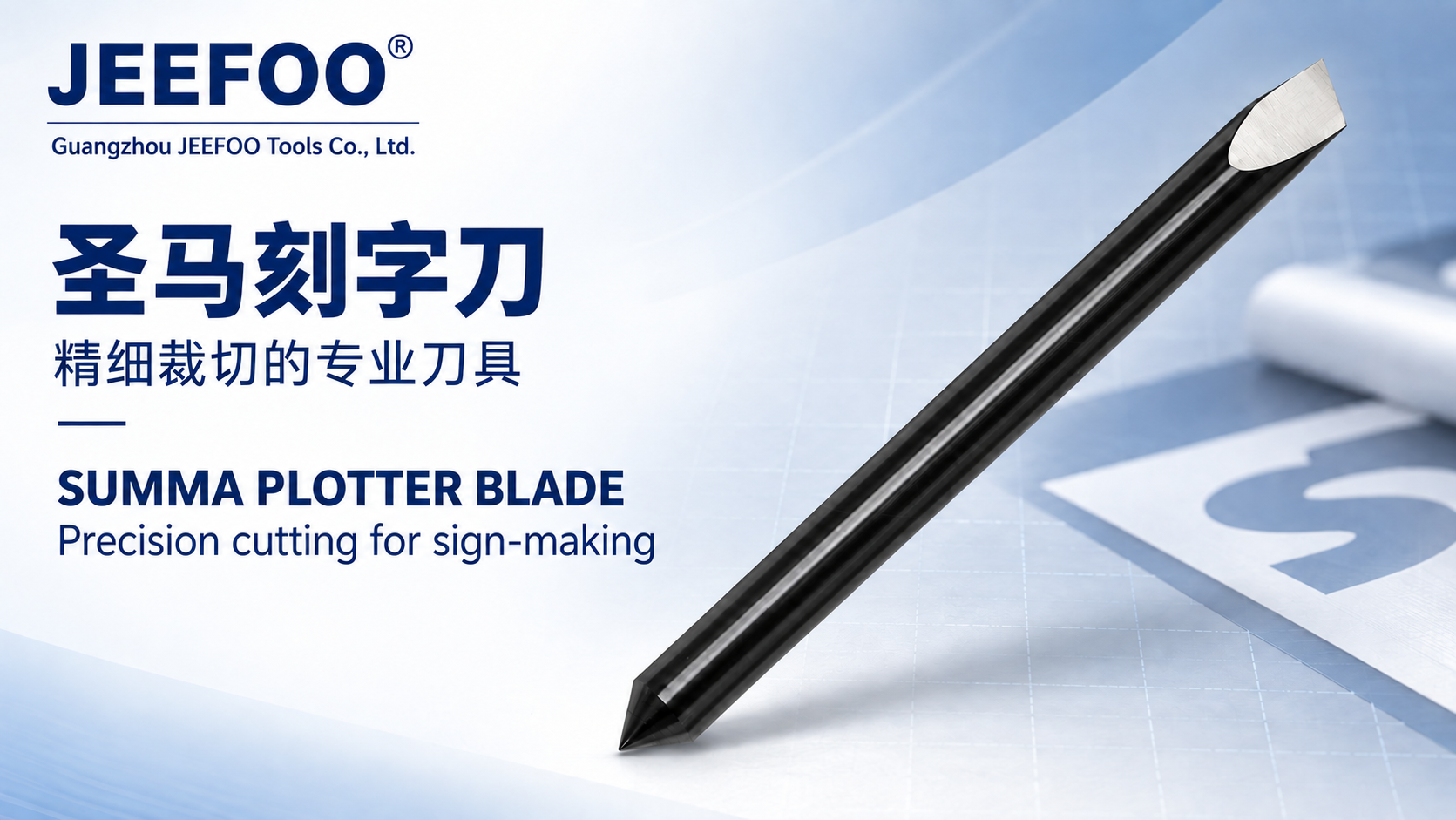
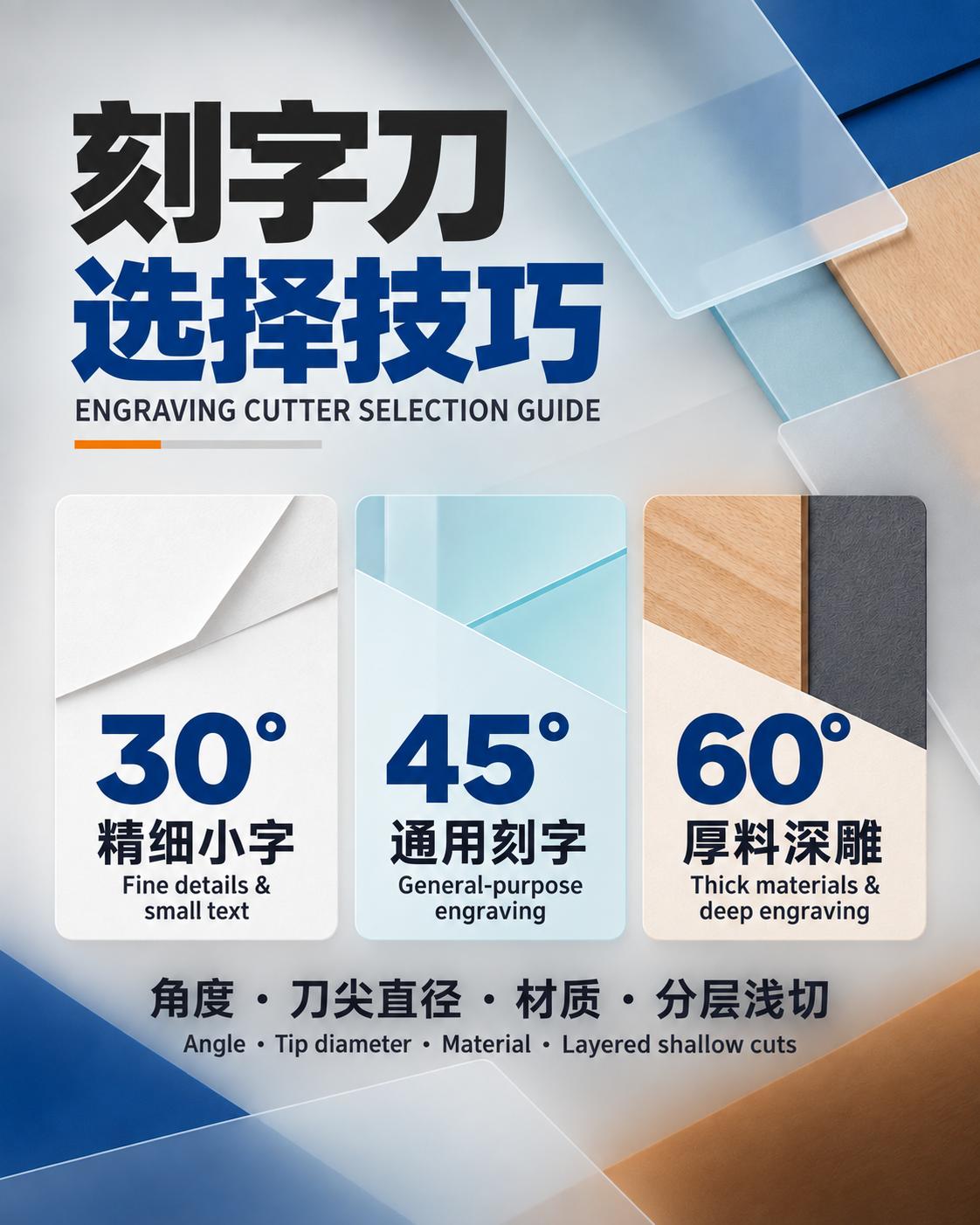
A tungsten steel blade, commonly referring to a tungsten-carbide cutting blade, should be selected by work material, edge geometry, carbide grade, coating, blade dimensions, mounting, cutting data, and required finish. This Tungsten Steel Blade Guide explains eight practical factors.
What is a tungsten steel blade?
Table of Contents
In commercial tool terminology, tungsten steel often means cemented tungsten carbide: hard carbide particles bonded with a metallic binder. It provides high wear resistance and stiffness but is more brittle than many tool steels.

Tungsten Steel Blade Guide: comparison
| Factor | What to verify |
|---|---|
| Material | Steel, aluminum, wood, plastic, film, or composite |
| Geometry | Bevel, rake, clearance, radius, and cutting direction |
| Grade | Wear resistance versus toughness |
| Dimensions | Diameter, thickness, bore, shank, and reach |
| Machine | Holder, RPM, power, runout, and guarding |
1. Match the blade to the material
Sharp polished geometry helps reduce built-up edge in aluminum and plastics. Abrasive materials need wear resistance, while interrupted cuts require toughness. Confirm the maker application range.
2. Choose edge geometry
Single or double bevel, straight or serrated edge, rake, clearance, and tip radius change cutting force and finish. The Tungsten Steel Blade Guide prioritizes the actual cut and mating tool over blade appearance.
3. Select carbide grade
Hard fine-grain grades retain sharpness; tougher grades resist chipping. No grade is best for every operation.
4. Evaluate coating
Coatings can reduce friction or wear, but must suit the material, temperature, and edge sharpness. Some nonferrous work benefits from an uncoated polished edge.
5. Verify dimensions and mounting
Match outside diameter, thickness, bore or shank, keyway, offset, rotation, and rated speed. Similar dimensions do not prove interchangeability.
6. Control runout and rigidity
Clean mounting surfaces, measure runout, shorten projection, and secure the work. Unequal loading can chip carbide and damage finish.
7. Set cutting data correctly
Start with manufacturer speed, feed, chip load, and engagement data. Rubbing from very low feed creates heat; excessive engagement overloads the brittle edge.
8. Inspect wear and finish
Watch for chipping, burrs, haze, chatter, rising load, heat, or dimensional drift. Replace damaged blades immediately.
Selection checklist
- Identify material and operation.
- Match geometry, grade, and coating.
- Verify all dimensions and maximum RPM.
- Check holder runout and workholding.
- Plan chip evacuation and finishing allowance.
- Record wear, load, sound, and finish.
Safety
Follow the machine manual, use specified guards, and review OSHA machine-guarding guidance. For support visit Guangzhou JeeFoo Tools.
Frequently asked questions
Is tungsten steel the same as carbide?
In tool marketing it often means cemented tungsten carbide, but verify the supplier specification.
Why does carbide chip?
Impact, runout, weak fixturing, excessive engagement, or an unsuitable grade are common causes.
Can carbide blades be sharpened?
Some can be professionally reground within dimensional and geometry limits.
Bottom line: use this Tungsten Steel Blade Guide to verify material, geometry, grade, coating, dimensions, mounting, cutting data, wear, and safety.