A vinyl cutter commissioning checklist should verify the released file, contour registration, cut quality and operator handover before customer work begins. Use your shop’s actual artwork and material, define acceptance criteria in advance and keep unresolved requirements visible. A demonstration sample can start an evaluation, but the workflow must be checked under the conditions your production team will use.
PRINTING United Alliance’s official 2026 event announcement listed September 23–25 at the Las Vegas Convention Center. After reviewing exhibition information, a sign shop can use the framework below to evaluate proposed finishing changes. This is a practical evaluation guide, not a report that JEEFOO® attended the event or witnessed a particular equipment demonstration.
1. Start the vinyl cutter commissioning checklist with the released job
Map the workflow from the approved print file through material preparation, job selection and waste removal. Name the person responsible at each handover and identify the artwork revision that the operator must use. Include any proposed software or preparation change in the trial. Ask the supplier to describe work performed outside the visible cutting demonstration, so a finished sample does not conceal omitted preparation or manual handling.
Define how the correct job will be recognized before the cutter starts. Keep the file reference, artwork version, media identification and any required orientation together. Compare the selected job with the approved requirement, rather than assuming that an attractive result used the intended revision. The vinyl cutter commissioning checklist should mark a wrong or uncertain file as a separate issue from registration or blade performance.
2. Separate contour registration from cutting acceptance
Check whether the intended contour is positioned correctly, then assess whether the material has been cut to the required standard. These are distinct decisions: a well-positioned contour may be difficult to weed, while a cleanly cut shape may be misplaced. Agree the job-specific acceptance criteria and who will investigate a failure. Do not assign a universal registration tolerance or cutting-force value without the relevant equipment and production requirements.
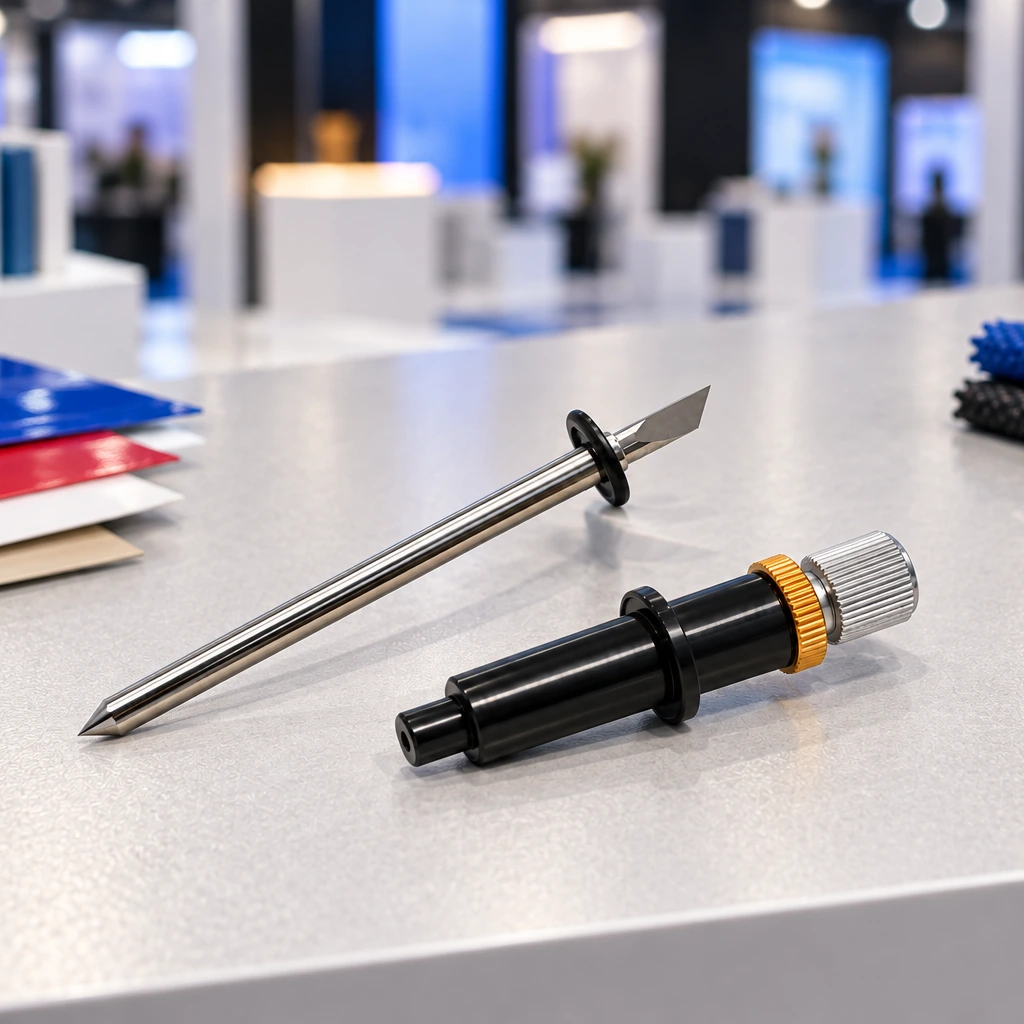
Record the machine configuration, blade and holder references used in the trial. If replacement consumables are proposed, confirm the exact supplied item and its matching requirements before installation. The JEEFOO plotter blade catalogue and holder catalogue provide enquiry families, not universal compatibility guarantees. Keep any change of reference visible in the vinyl cutter commissioning checklist.
3. Evaluate weeding, transfer and routine handovers
Include the actual small lettering, isolated details and closed contours that matter to the job. Inspect the result while supported, remove waste by the planned method and check any required transfer preparation. A visible outline is not the same as a finished piece that the operator can handle. Record the stage at which a detail changes, so a handling problem is not automatically blamed on the blade.
Test ordinary events through the supplier’s permitted operating procedure: changing material, pausing and restarting a task, and handing the work to another trained operator. These are proposed acceptance checks, not claimed features of every machine. Do not create an unsafe interruption. Identify when the operator must verify tool settings and job position rather than assuming software restores every condition. Related restart inspection checks explain why the event, tool and affected material should be assessed separately.
4. Close the vinyl cutter commissioning checklist with evidence
Run a representative production trial and compare the output with the agreed physical sample. Retain the artwork version, media reference, consumable identities, recorded conditions and result. Include the preparation, cutting and finishing stages actually required; do not compare cutter-motion time alone with a complete production workflow. Note any extra intervention needed to achieve the accepted result so the next operator knows what the process involves.
Assign each unresolved requirement an owner and a follow-up action. If a supplier cannot confirm a condition, leave it open rather than converting an assumption into acceptance. Separate technical approval from quotation and delivery terms. Sign off only the tested workflow and record when changes in media, configuration or artwork require another review. A completed vinyl cutter commissioning checklist should be understandable to production, purchasing and quality staff.
Vinyl cutter commissioning checklist: common questions
Does a clean cut prove the workflow is ready?
No. The correct file, registration, backing condition, waste removal and handover also need to meet the agreed job requirements. Check the complete sequence before customer production.
What should be kept with the accepted sample?
Retain material identification, artwork revision, blade and holder references, machine configuration, conditions and open exceptions. A sample without its configuration is difficult to reproduce.
Can exhibition literature replace a workshop trial?
No. Use it to prepare questions, then verify the proposed workflow on representative material and files. Send specific consumable enquiries through the JEEFOO contact page with the existing assembly information.