Roland launched the first generation CAMM-1 engraving machine in 1988. The first generation blade holder used a simple plastic shell and a single spring top tightening structure, which could only adapt to thin instant stickers. It had weak pressure resistance and was prone to shaking during high-speed cutting. The depth adjustment relied entirely on manual twisting, resulting in poor accuracy and only meeting basic graphic and text cutting requirements.
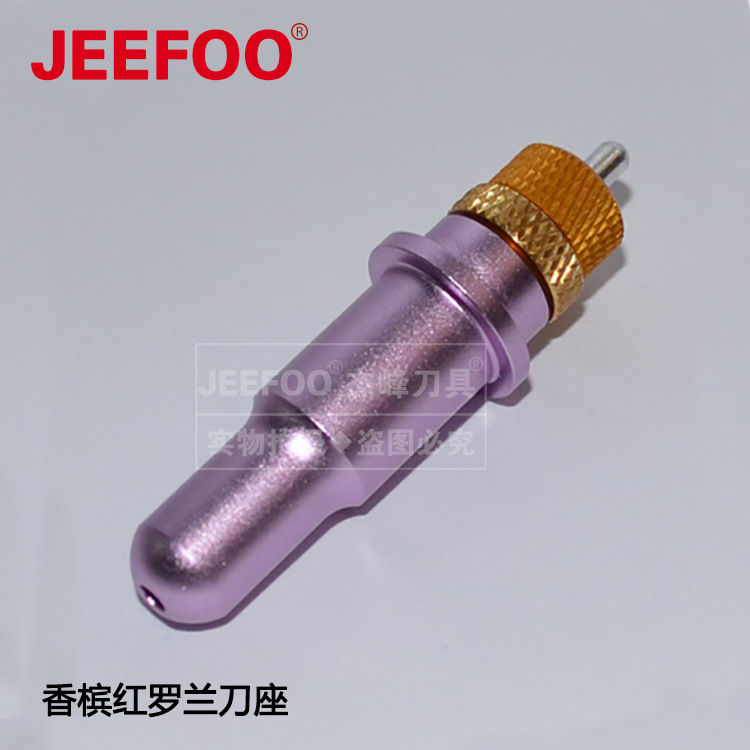
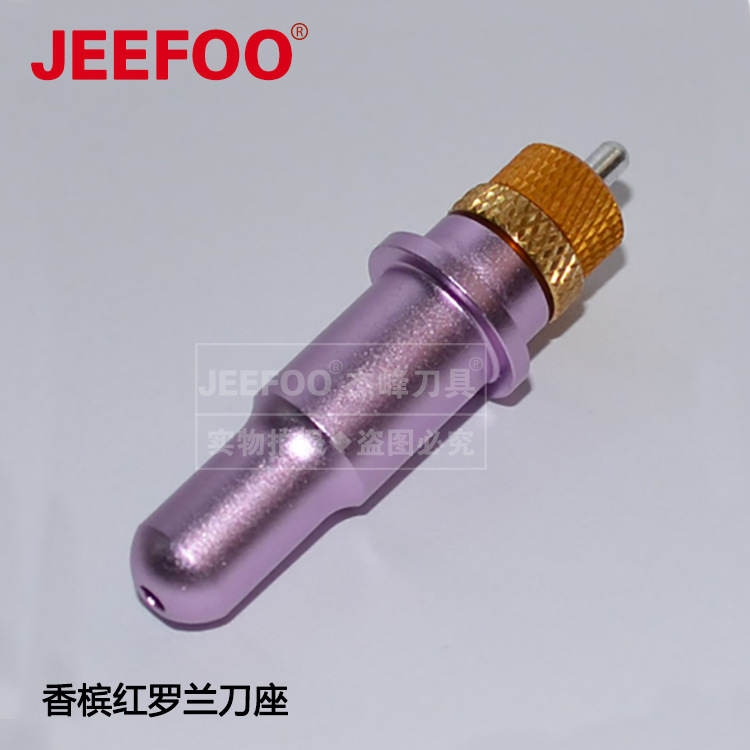
In the 1990s, it entered the stage of improvement, with the blade holder housing replaced with alumina alloy and built-in micro bearings to achieve smooth rotation of the blade. Coupled with segmented springs to optimize pressure control, it can cut thick materials such as reflective film and car stickers, greatly improving concentricity and becoming a universal standard specification in the industry.
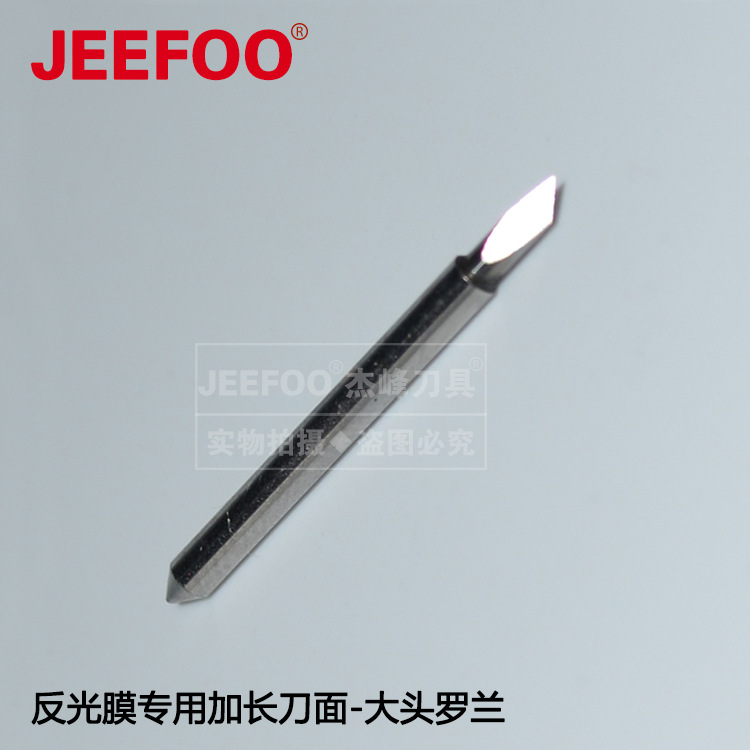
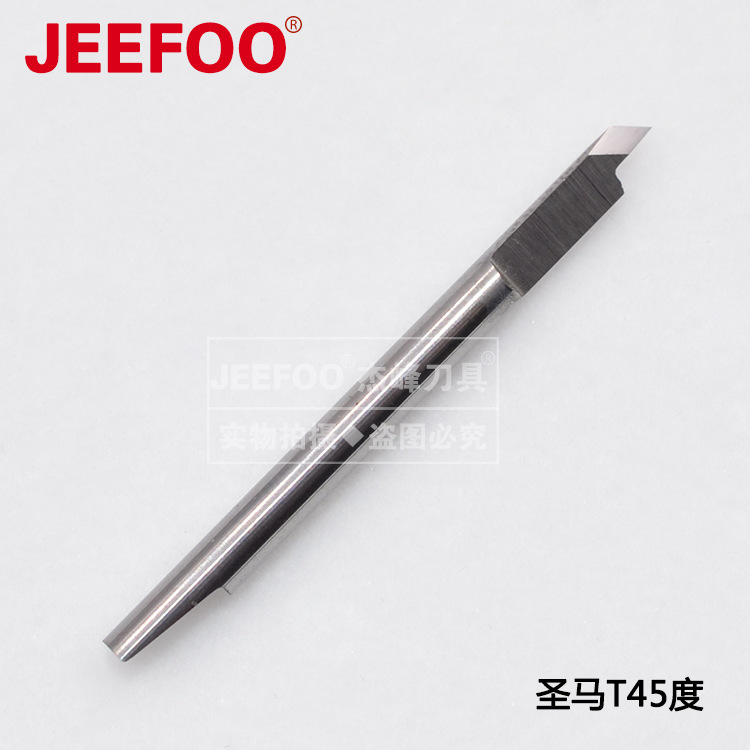
After 2010, the GR series new machines were equipped with high-precision locking tool holders, added scale positioning structures, refined pressure gears, multi-point support to eliminate deflection, and support for high-speed continuous operation; Simultaneously divided into multiple models including standard, large head, and fine tooth, suitable for cutting multiple materials such as film, leather, and flexible board.
In recent years, the popularity of quantified gold-plated knife holders among young people has increased. They are wear-resistant, rust proof, and easy to disassemble and assemble. The original factory has precise tolerances to ensure stable cutting, and the secondary factory has also replicated uniform size standards. After more than 30 years of iteration, the Roland knife holder has evolved from a simple clamping component to a high-precision cutting core accessory, laying the benchmark for the size and structure of knife holders in the advertising engraving industry.