-2-1024x1024.png)
Roland Plotter Blade for 60° Vinyl Cutting
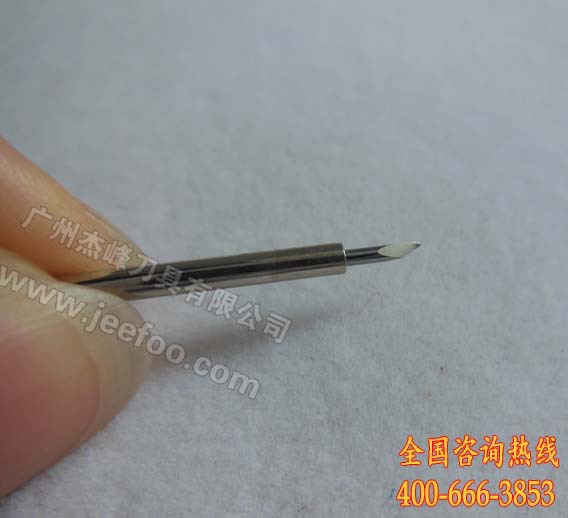
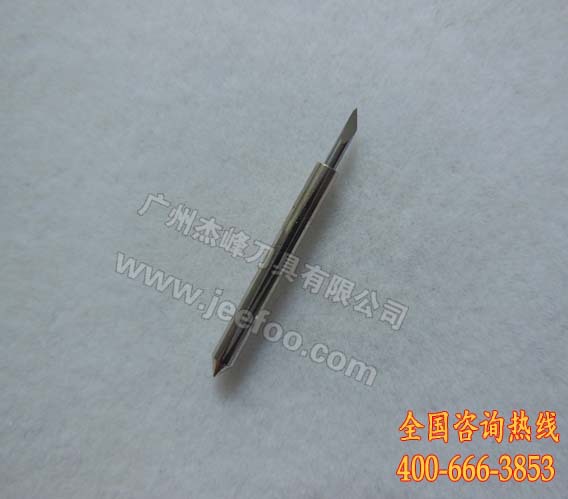
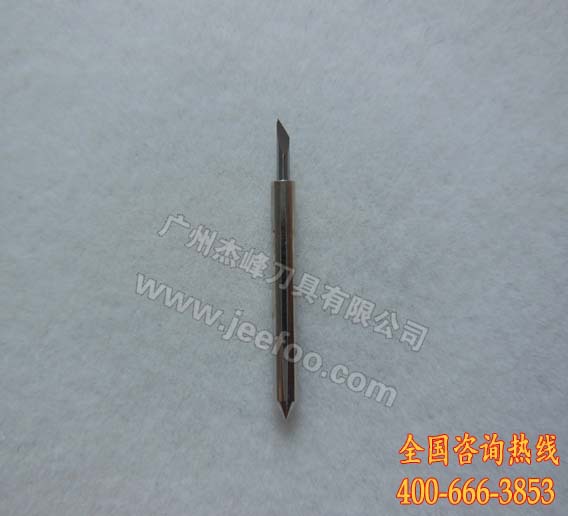
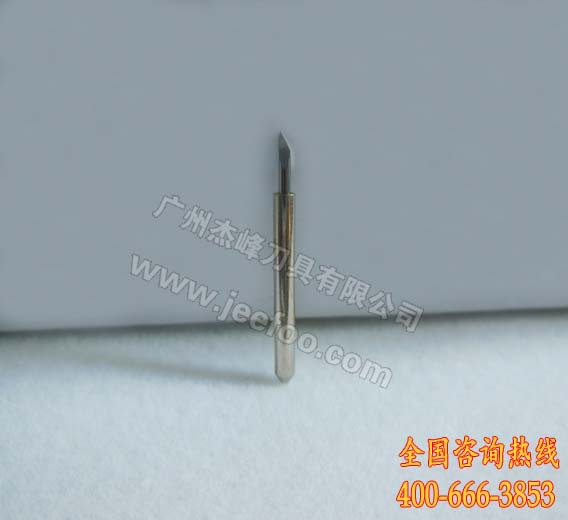
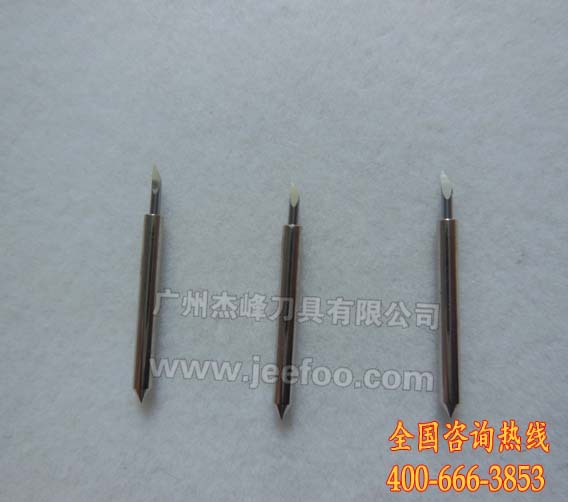
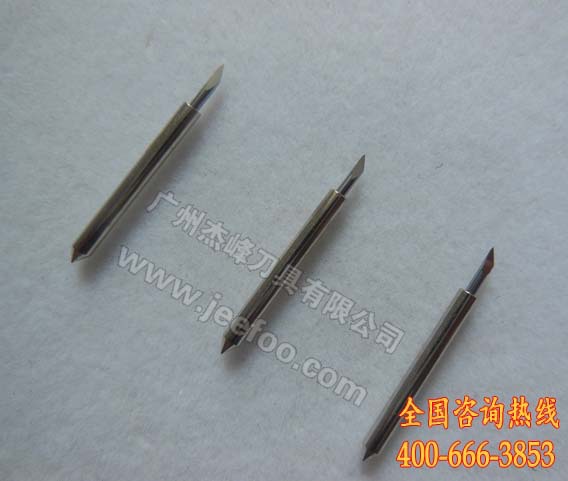
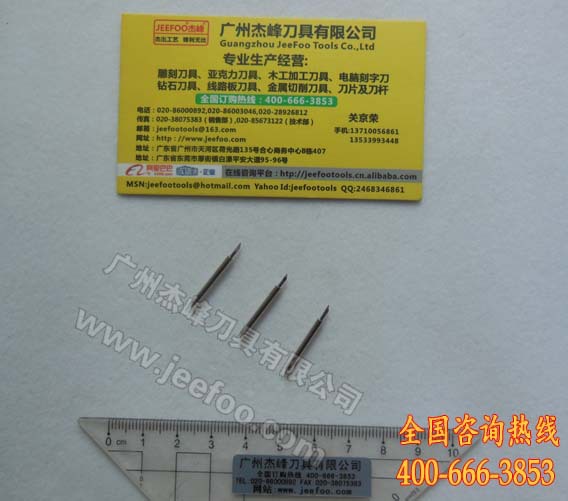
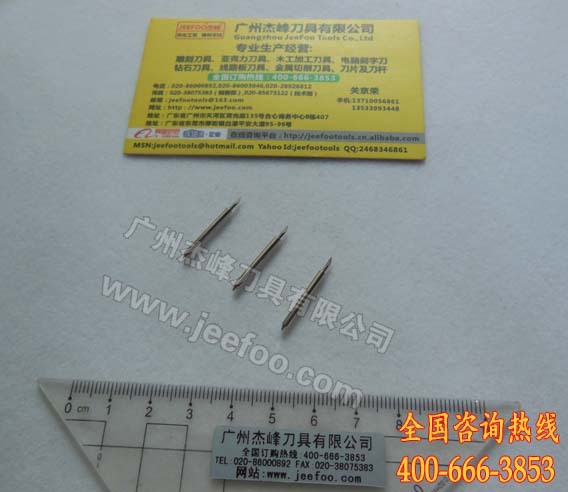
A Roland plotter blade with a 60-degree angle is intended for compatible cutting plotters and holders that accept a 2 mm diameter blade. The listed length is 23 mm, with a 0.25 mm offset and a cutting-thickness reference of up to 0.25 mm. Compare these dimensions with the installed blade, holder, and machine documentation before ordering.
JEEFOO supplies plotter cutting tools from Guangzhou, China. Provide the Roland model, holder type, media, thickness, and cutting application for a practical compatibility comparison.
Available 60-Degree Roland Blade Specifications
- Cutting angle on this page: 60 degrees
- Blade diameter: 2 mm (0.08 in)
- Overall length: 23 mm (0.91 in)
- Listed offset: 0.25 mm
- Listed cutting-thickness reference: up to 0.25 mm
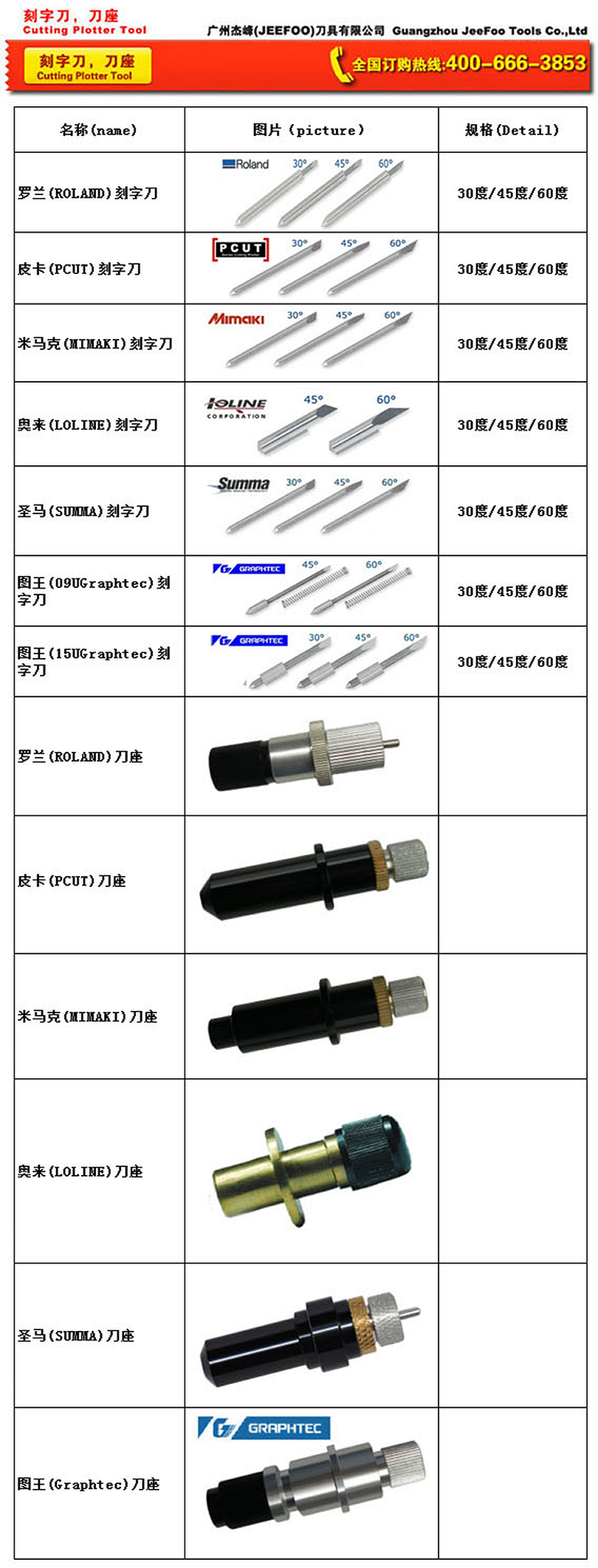
- Other listed angle options: 30 and 45 degrees
- Material composition listed: 89–90% WC and 10–11% Co
- Hardness listed: 91.5 HRA Rockwell
- Breaking strength listed: 4000–4200 N/mm²
- Packaging listed: 5 pieces per box
These values summarize the available product data without adding unsupported guarantees. The cutting-thickness reference should be checked against the actual media, backing liner, plotter settings, and holder. Results also depend on blade exposure, force, speed, offset, tip condition, and cutting-strip condition.
Typical Uses for a 60-Degree Plotter Blade
A 60-degree blade uses a steeper geometry that may be considered for detailed lettering, small contours, sign vinyl, labels, decals, and compatible media when the cutter and holder support it. Material behavior varies, so the angle should be selected together with blade exposure, force, and speed rather than by angle alone.
If corners remain connected or small characters lift, inspect the tip and holder before increasing force. Adhesive residue can restrict blade rotation, while a worn or chipped tip can leave incomplete cuts. Excessive force can score the backing liner or damage the cutting strip.
How to Confirm Roland Compatibility
Identify the exact Roland cutter model and installed holder. Compare the current Roland plotter blade diameter, length, angle, and offset with the listed specifications. Review the machine manual for supported blade formats. A matching 60-degree angle alone does not confirm fit if the shank or holder design differs.
For related hardware, see the Roland plotter blade holder. You can also compare the cutting plotter blade range. For current manuals and troubleshooting, consult official Roland DGA support.
Test-Cut Setup Checklist
- Clean the holder and verify that the blade rotates freely.
- Confirm that the holder accepts a 2 mm diameter blade.
- Insert the blade without forcing the shank.
- Expose only enough tip to cut the face material.
- Begin with conservative force and speed settings.
- Run a small test pattern containing lines, curves, and corners.
- Inspect weedability and check the backing liner for deep marks.
- Adjust one setting at a time and repeat the test.
Blade exposure is a mechanical limit, while downforce is a machine setting. Too much exposed tip cannot be corrected simply by reducing force. A controlled test helps protect the blade, holder, and cutting strip while identifying suitable settings for each material.
Care and Replacement
Store every spare Roland plotter blade dry and protected so the tip does not touch hard surfaces. Remove adhesive residue and dust from the holder. Replace a worn or chipped blade instead of continually increasing force. Record successful settings for each media so future jobs can begin from a known baseline.
Ordering from JEEFOO in Guangzhou, China
When requesting a Roland plotter blade, include the machine model, holder type, 2 mm diameter requirement, 23 mm length, material, thickness, and intended application. JEEFOO can compare those details with the listed 60-degree specifications for lettering, labels, decals, sign vinyl, and compatible contour-cutting workflows.
This Roland plotter blade page is a selection guide and does not replace the machine manufacturer’s instructions. Confirm compatibility and complete a test cut before production.
Product Images