GCC plotter blade holder selection influences cutting precision, blade rotation, and vinyl weeding quality. This practical guide covers compatibility, blade setup, maintenance, troubleshooting, and wholesale sourcing for GCC vinyl cutter users.
What Is a GCC Plotter Blade Holder?
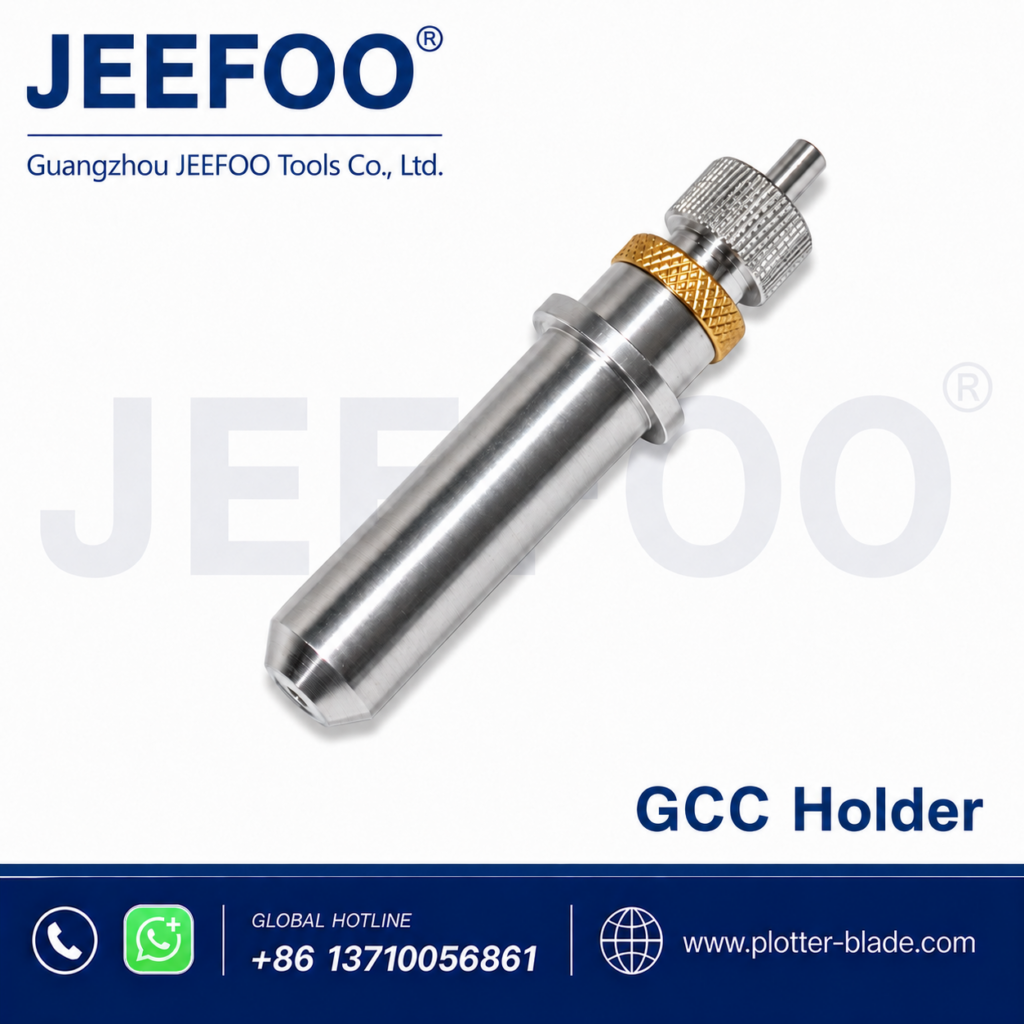
A GCC plotter blade holder secures a compatible cutting blade in the machine carriage. The holder keeps the blade aligned while allowing it to swivel through curves and corners. A stable fit helps deliver clean outlines, accurate small lettering, and repeatable production cuts.
7 Expert Buying Tips
- Verify the GCC model. Check the machine label before ordering.
- Measure the original holder. Compare diameter, length, flange position, and blade opening.
- Confirm the blade shaft size. Similar-looking blades may use different dimensions.
- Inspect adjustment threads. Smooth, secure adjustment improves repeatability.
- Choose stable construction. A straight body reduces carriage play.
- Test a sample. Approve fit and cut quality before volume purchasing.
- Request technical support. Share machine, blade, and media details with the supplier.
GCC Plotter Blade Holder Compatibility
Compatibility must be verified rather than assumed. Compare the replacement with the original holder and confirm that the carriage clamp closes without force. The blade should seat correctly and rotate freely. If the holder is too loose, too large, or incorrectly positioned, cutting quality and carriage safety may be affected.
Provide the exact GCC cutter model, holder measurements, blade shaft diameter, and photographs to the supplier. Consult the machine manufacturer’s support resources when specifications are available. These checks reduce ordering mistakes and production downtime.
Installation and Adjustment
- Power off the cutter and remove the existing tool carefully.
- Insert the compatible blade into the GCC plotter blade holder.
- Set minimal blade exposure so only the media layer is cut.
- Seat the holder straight in the carriage and secure the clamp.
- Run a small test cut on scrap material.
- Adjust blade exposure, force, speed, and offset gradually.
Too much blade exposure can damage the liner, distort corners, and make weeding difficult. Begin with a small amount of exposed tip and conservative force. Increase one setting at a time and inspect each test cut before production.
Troubleshooting Cutting Problems
If shapes do not close, inspect holder tightness, blade wear, debris, and offset settings. Jagged curves may result from a chipped blade, excessive speed, carriage play, or a blade that cannot rotate freely. If backing paper is scored deeply, reduce blade exposure before reducing software force.
Clean dust and adhesive residue with dry air or a soft brush. Do not scratch the holder’s internal surface. Store blades and holders in labeled containers, and replace a bent holder or damaged adjustment mechanism promptly.
Materials and Applications
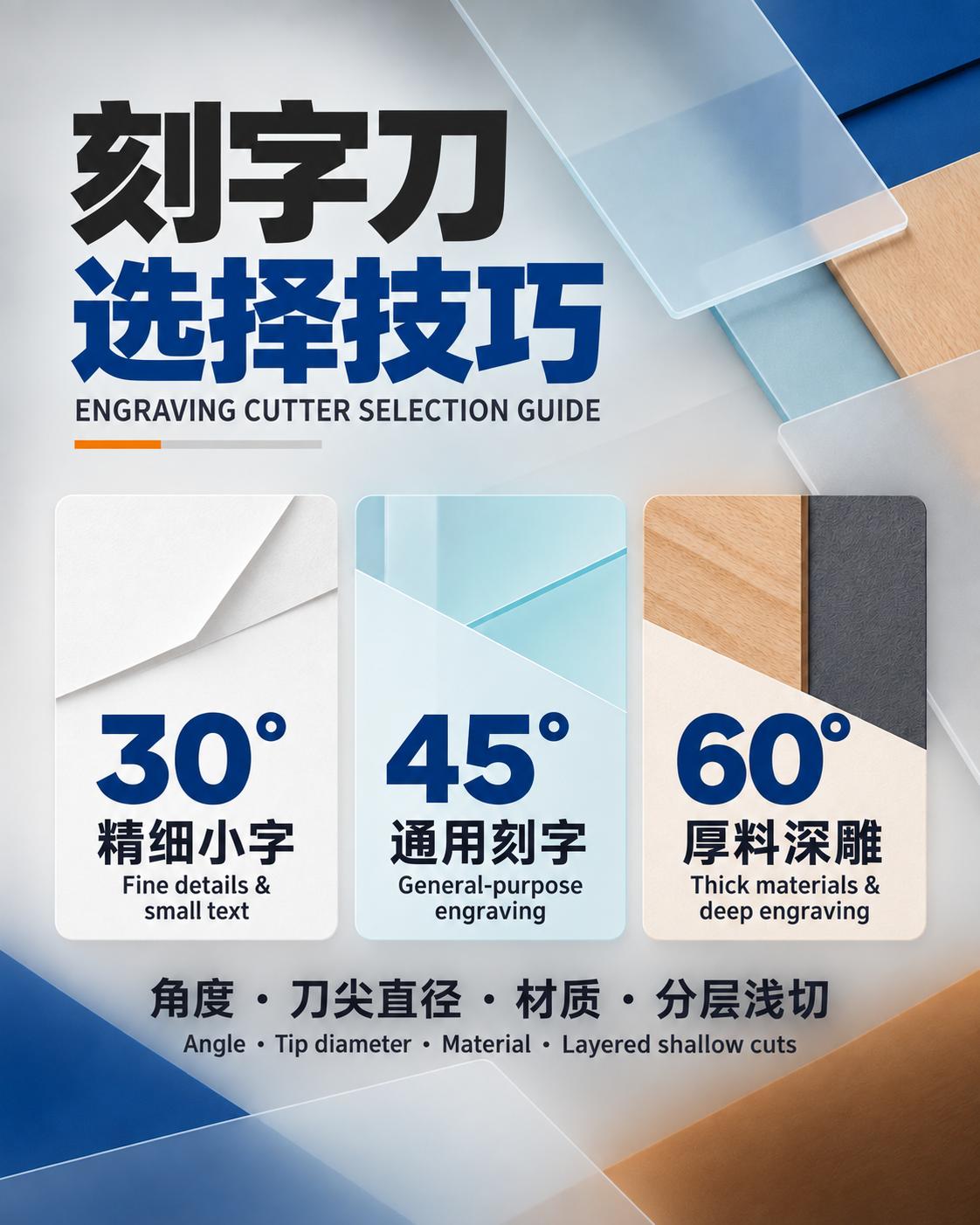
A compatible GCC plotter blade holder may support sign vinyl, heat-transfer vinyl, label stock, masking film, paper, and other manufacturer-approved media. Blade angle, tip condition, force, speed, and offset should match the material and design detail.
Frequently Asked Questions
Does one holder fit every GCC cutter?
No. Verify the machine model, carriage size, holder dimensions, and blade specification.
Why are corners lifting?
Possible causes include too much blade exposure, incorrect offset, excessive speed, a worn blade, or holder movement.
When should the holder be replaced?
Replace it when the body is bent, adjustment threads slip, blade rotation is restricted, or persistent play reduces accuracy.
Production Quality Checklist
Before each production run, confirm that the GCC plotter blade holder is seated vertically, the blade rotates freely, and test-cut corners close cleanly. Record the blade angle, exposure, force, speed, offset, and media batch for repeatable results. Operators new to a vinyl cutter should practice on scrap material before loading valuable stock. A documented setup process makes it easier to separate holder problems from blade, media, or software issues. For high-volume work, keep a tested spare GCC plotter blade holder available to reduce downtime.
Order the Right GCC Plotter Blade Holder
Match the holder to the GCC machine and blade, approve a sample, and document successful settings. Compare our Roland plotter blade holder guide or contact Guangzhou JeeFoo Tools Co., Ltd for compatibility guidance and wholesale support.